





Mary O'Connell
Tuesday, March 15, 2022
Check Call: Don’t fear the flatbed
Don’t fear flatbed shipments, give them a chance; Future of Supply Chain speakers; and the Port of Mobile gets a face-lift.
Don’t fear flatbed shipments, give them a chance; Future of Supply Chain speakers; and the Port of Mobile gets a face-lift.
The wild fluctuations in crude oil prices have created a strong disconnect between wholesale and retail diesel prices. What are the impacts on transportation costs and subsequently carrier bottom lines?
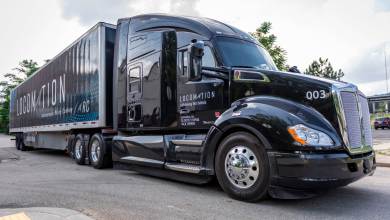
While innovation in the autonomous space is moving at breakneck speed, Locomation has devised a way to help trucking companies re-engineer their operating models to begin seeing major efficiency gains even before they deploy autonomous trucks.
Many carriers have turned to technology in order to reduce the risk of serious lawsuits while simultaneously lowering insurance premiums. Digital safety management solutions are on the rise, and these tools can offer carriers the transparency and visibility they need in order to create a safer fleet.
In a constrained market environment like the one seen over the past couple of years, shippers are always looking to cut costs and gain more bargaining power. That makes granular insights more important than ever.

Make accidents easy, see the big picture, and keep your company safe.
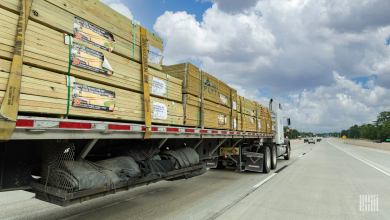
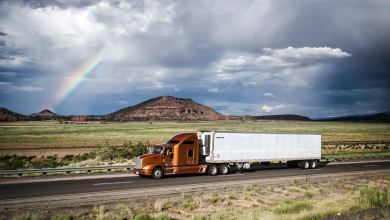
Relatively abundant for most of the pandemic, flatbed capacity has become scarcer than ever thanks to the surging price of crude and a white-hot construction sector.
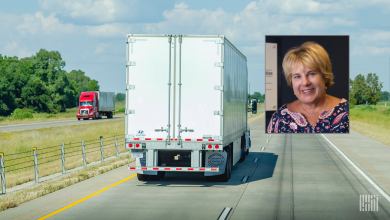
ATRI has conducted significant research through the years that has informed policy and driven change. CEO Rebecca Brewster sits down with Nicole Glenn of Candor Expedite to discuss the organization.
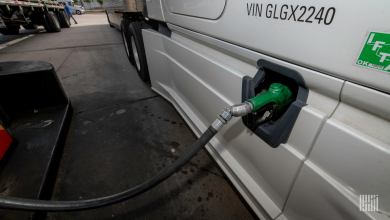
Carriers must pay fuel taxes to states they travel through, but the process can be complicated and time-consuming due to the various jurisdictions. Even a simple filing mistake can trigger an IFTA audit and bring unwanted scrutiny upon the carrier.
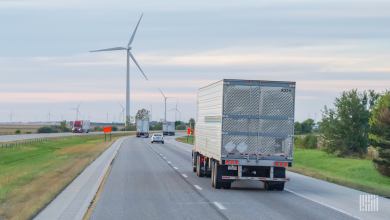
As the federal government begins prioritizing EV infrastructure, trucking fleets and stakeholders need to stay abreast of changes at the intersection of industry and climate initiatives.
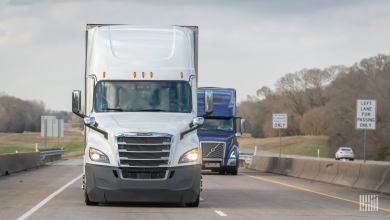
A group of carriers and logistics providers has formed to raise money for the people of Ukraine.

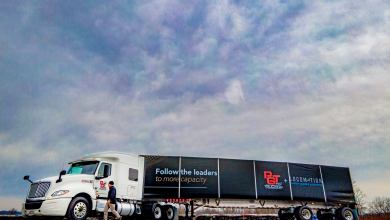
Autonomous trucks have garnered a significant amount of attention during this transition thanks to their impressive environmental benefits and inherent ability to solve a variety of industry ills. While technological efforts to get these vehicles on the road have progressed quickly, regulations surrounding their use have been slower to follow.
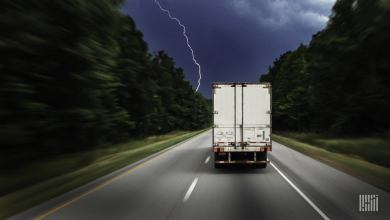
Weather disruptions have always been common across the supply chain. With climate change-induced severe weather conditions on the rise, logistics companies should expect – and plan for – even more challenging conditions in the future.
Many automation solutions companies are penetrating the industry to remove supply chain friction, improve efficiency and job satisfaction.
In order to take advantage of different RFP options, shippers must have access to the data they need to determine which lanes need to be repriced and when. Success requires coupling decision-making with efficient technology.


Applications for the TCA Scholarship Fund are now open. Eligible college students with ties to the trucking industry have until March 14 to apply.
It is important to recognize that the introduction of autonomous vehicles is not the beginning of the end for drivers.
