




Kim Link Wills
Tuesday, June 22, 2021
Hapag-Lloyd orders 6 more 23,500-TEU ships at cost of $852M
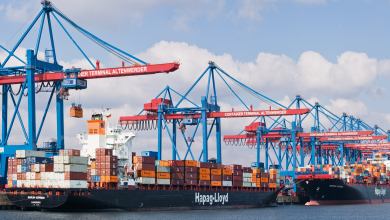
Hapag-Lloyd now will add 12 23,500-TEU container ships to its fleet beginning in 2023.
Hapag-Lloyd now will add 12 23,500-TEU container ships to its fleet beginning in 2023.
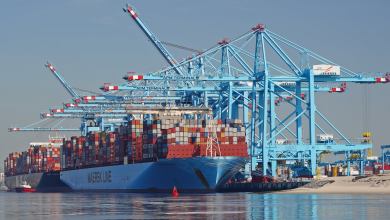
Consolidation in the liner sector is already extreme. Newbuild orders will further concentrate market power in fewer hands.
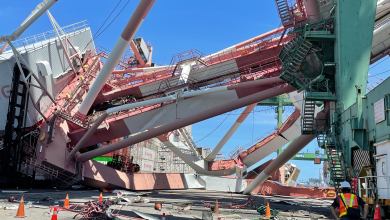
The cranes cost $21.6 million to construct; a price tag on vessel and cargo damage has not yet been estimated.
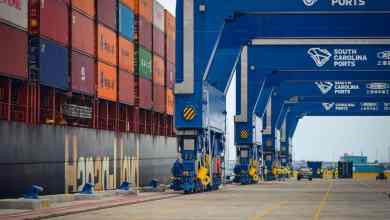
In the next two weeks, only two container ships are slated to berth at the new Leatherman Terminal. Forty are scheduled at the Port of Charleston’s neighboring Wando Welch Terminal.
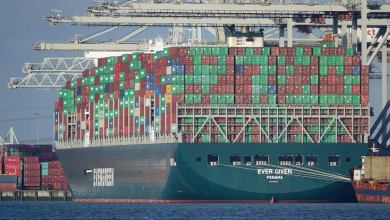
“Strong winds” are blamed for causing the 20,000-TEU Ever Given to get stuck and block Suez Canal traffic in both directions.
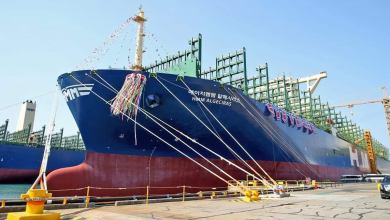
Korean container carrier HMM expects equipment and capacity shortages to continue at least through the end of the first quarter.
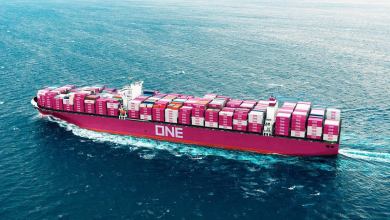
Ocean Network Express takes giant profitability leap — from $5 million to $944 million year-over-year.
Hapag-Lloyd credits higher freight rates and lower bunker prices as “the main drivers of these positive business developments.”
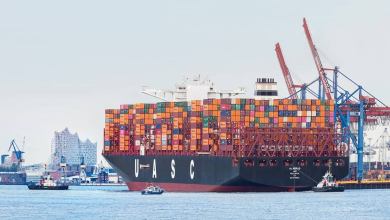
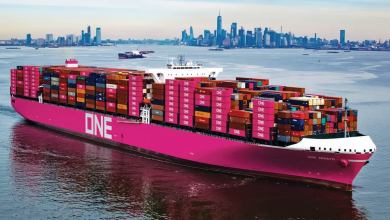
Hapag-Lloyd and ONE have ordered 12 ultra large container ships, all of which will be able to carry more than 23,500 TEUs.
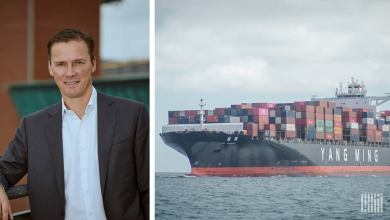
E-documentation initiative establishes data and process standards for bill of lading preparation and issuance.

Air cargo carrier names Yulia Celetaria health care director and forms vaccine task force.
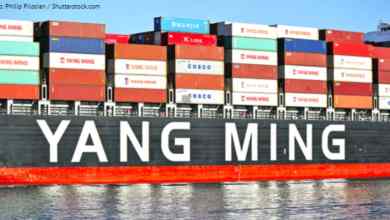
“The outlook of container shipping still remains clouded in uncertainties over the possible comeback of the COVID-19 pandemic and U.S.-China trade conflicts.”
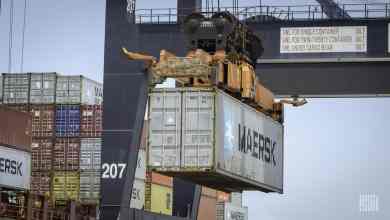
Port Call Data Definitions guide is available for free download.
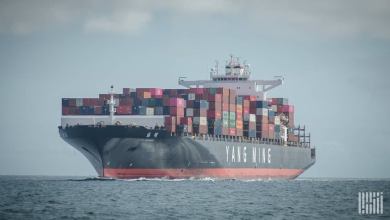
Cheng Cheng-Mount was appointed to the Taiwanese carrier’s board in 2018.
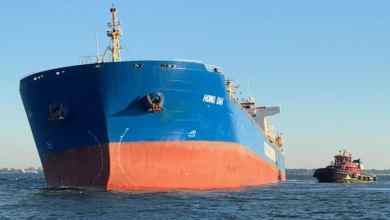
YM Mandate leaks fuel oil in New Jersey, and the Hong Dai runs aground in Virginia.
South Korean carrier announces opening of fleet control center but doesn’t open up about sailing plans.
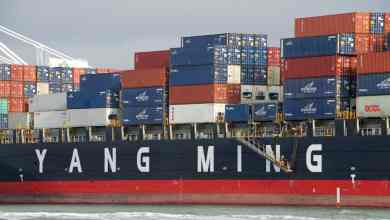
Taiwanese carrier’s dry bulk business takes a beating.
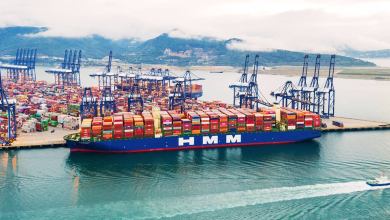
Operating profit “turnaround” of more than $300 million reported.
Group of nine container carriers has banded together for digital standardization.
A language barrier of sorts may be blocking shipping lines and ports from adopting common technology platforms.