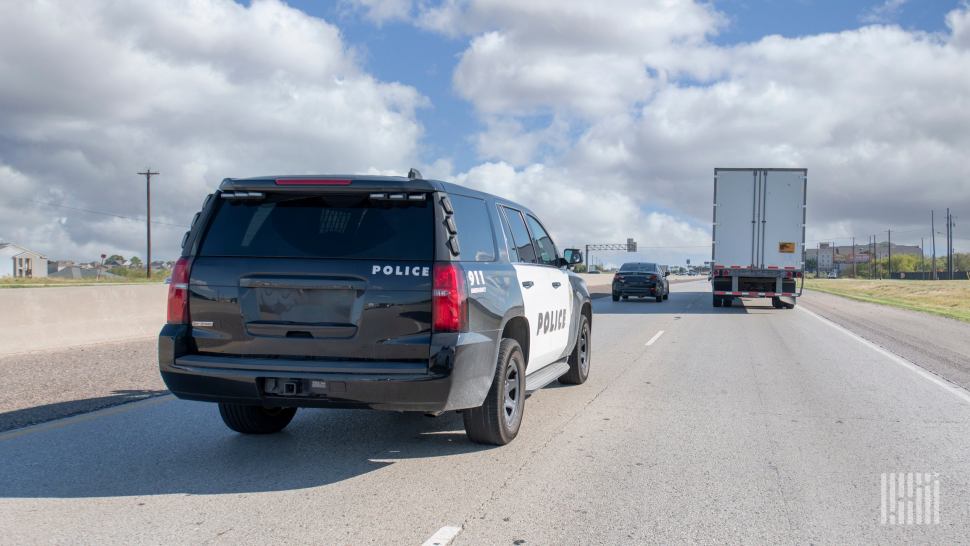
Authorities in Texas recently intercepted two semi-trucks carrying approximately $470,000 worth of stolen vehicles, believed to be en route to Honduras. While details remain limited, the situation highlights a pattern that continues to surface across cargo theft and freight fraud cases.
At a glance, this looks like a straightforward recovery. Law enforcement stepped in, identified stolen freight, and stopped it before it left the country. That part of the story is clear. What is not clear is how these vehicles made it onto those trucks in the first place and how long they were moving before anyone realized something was wrong.
how control slips early
Incidents like this rarely start with a dramatic theft. More often, they begin with small gaps that go unnoticed during what appears to be a routine transaction. A vehicle gets handed off under a legitimate-looking arrangement, the documentation checks out on the surface, and the carrier appears to be real. Everything about the move feels normal, which is exactly why it works.
This is where control starts to shift. By the time the freight is loaded and moving, the damage is often already done. If the wrong party gained access early in the process, everything that follows can look operationally sound while the shipment is quietly redirected. In cross-border cases like this, timing becomes critical. Once freight is moving toward an international exit point, recovery odds begin to drop quickly.
organized movement, not random theft
The scale and direction of this case suggest coordination rather than a one-off event. Moving multiple stolen vehicles across two separate trucks requires planning, access, and an understanding of how to move through standard freight channels without raising concern. These operations rely on speed and familiarity with normal workflows, allowing them to blend in rather than stand out.
This is not about stealing a truck. It is about using the system as it is designed and inserting themselves at the points where verification is weakest. The freight moves under the appearance of legitimacy, which makes detection difficult until it is already too late.
The destination also adds another layer of complexity. When freight is believed to be heading out of the country, the recovery window narrows significantly. Jurisdiction changes, coordination becomes more difficult, and once assets cross a border, they are far harder to trace and reclaim.
what this exposes
Cases like this reinforce a consistent issue across the industry. Most theft does not happen at the point of pickup. It happens before that, when decisions are made based on information that has not been fully verified. By the time the load is in motion, the opportunity to prevent the loss has already passed.
The focus cannot remain on reacting after the fact. It has to shift toward controlling who has access to the shipment at every stage of the process. That means verifying identities, validating relationships, and confirming that the party handling the freight is exactly who they claim to be before control is ever handed over.
Once those trucks start moving, you are no longer in control.
Click here for more articles on cargo theft and freight fraud by Phillip Brink.
Brokerage Compliance Symposium
The day before F3. Every compliance issue you face - fraud exposure, carrier liability, FMCSA rules, cargo theft, insurance gaps - navigated by attorneys and operators defining best practices in a changing industry.
F3 Awards Dinner
The night before F3. FreightTech100 companies honored. FreightTech 25 and Shipper of Choice winners revealed live. Cocktail reception into dinner and live music - 300 industry leaders in one purpose-built room.
F3: Future of Freight Festival
Industry-defining keynotes, rapid-fire technology demos, and industry leaders networking in experiences across Chattanooga - plus the inaugural F3 Awards Dinner featuring the FreightTech and Shipper of Choice reveals.
The day before F3. Every compliance issue you face - fraud exposure, carrier liability, FMCSA rules, cargo theft, insurance gaps - navigated by attorneys and operators defining best practices in a changing industry.
The Signal at Chattanooga Choo Choo • Chattanooga, TN Register NowThe night before F3. FreightTech100 companies honored. FreightTech 25 and Shipper of Choice winners revealed live. Cocktail reception into dinner and live music - 300 industry leaders in one purpose-built room.
The Signal at Chattanooga Choo Choo • Chattanooga, TN Register NowIndustry-defining keynotes, rapid-fire technology demos, and industry leaders networking in experiences across Chattanooga - plus the inaugural F3 Awards Dinner featuring the FreightTech and Shipper of Choice reveals.
The Signal at Chattanooga Choo Choo • Chattanooga, TN Register Now