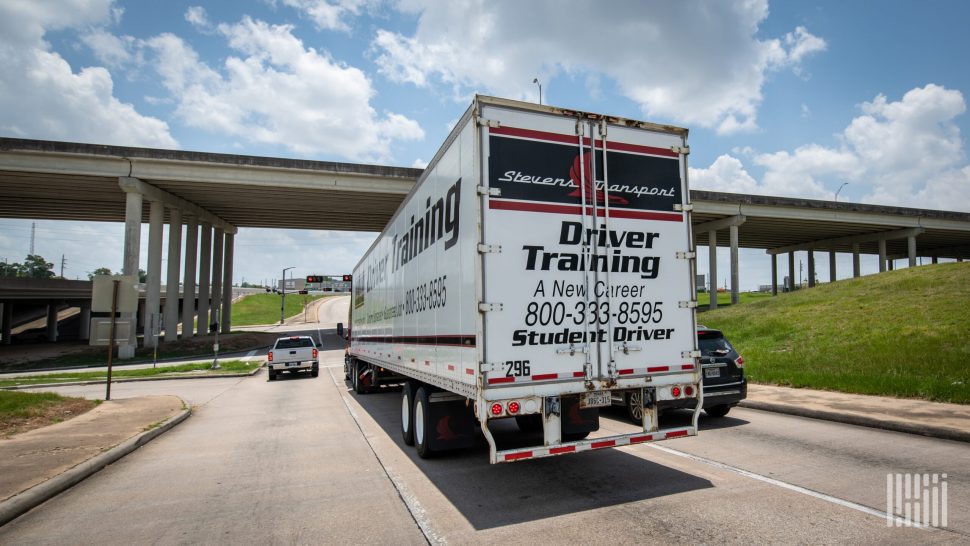
The American Transportation Research Institute (ATRI) is looking for motor carrier participants in research to analyze the impacts of new-entrant truck driver training on safety and retention. The study is a sequel to earlier research published by ATRI in 2008, which focuses on the efficacy of the Federal Motor Carrier Safety Administration’s Entry-Level Driver Training requirements.
“This research represents a critical opportunity to understand which training approaches actually produce safer drivers,” ATRI said in its announcement. The study requires participating carriers to submit specific data points for each new-entrant driver, including demographics, days employed, CDL training provider information, total miles driven, and driver-specific safety events such as crashes, violations and telematics events.
For the study, new entrants are defined as CDL drivers who have been driving professionally for three weeks to 24 months, with their first professional driving job at the participating carrier. The study will include drivers who have met this definition since March 2022.
“Participating carriers must have employed a minimum of 25 new entrant drivers in the requested time period (March 2022-August 2025),” the ATRI announcement states. In addition to individual driver data, carriers will need to report fleetwide averages for training and retention metrics, including training hours and frequency of home time.
ATRI emphasizes that all submitted information will remain strictly confidential, with the organization prepared to execute nondisclosure agreements with participating companies. All collected data will undergo anonymization and will only be published in aggregate form to protect carrier privacy.
The earlier study from 2008 was the first known examination of the safety impact of training on new entrant commercial drivers. The study analyzed data from more than 16,000 drivers representing 29% of annual new entrant driver population estimates at the time.
The research collected information from 10 driver training programs, examining curriculum components, instructional environments and their correlation with safety outcomes. Programs varied considerably in their approach, with total contact hours ranging from 88 to 272 hours and different emphasis on classroom versus behind-the-wheel training.
Motor carriers interested in contributing to this industrywide safety research can complete the questionnaire through ATRI’s website.
Brokerage Compliance Symposium
The day before F3. Every compliance issue you face - fraud exposure, carrier liability, FMCSA rules, cargo theft, insurance gaps - navigated by attorneys and operators defining best practices in a changing industry.
F3 Awards Dinner
The night before F3. FreightTech100 companies honored. FreightTech 25 and Shipper of Choice winners revealed live. Cocktail reception into dinner and live music - 300 industry leaders in one purpose-built room.
F3: Future of Freight Festival
Industry-defining keynotes, rapid-fire technology demos, and industry leaders networking in experiences across Chattanooga - plus the inaugural F3 Awards Dinner featuring the FreightTech and Shipper of Choice reveals.
The day before F3. Every compliance issue you face - fraud exposure, carrier liability, FMCSA rules, cargo theft, insurance gaps - navigated by attorneys and operators defining best practices in a changing industry.
The Signal at Chattanooga Choo Choo • Chattanooga, TN Register NowThe night before F3. FreightTech100 companies honored. FreightTech 25 and Shipper of Choice winners revealed live. Cocktail reception into dinner and live music - 300 industry leaders in one purpose-built room.
The Signal at Chattanooga Choo Choo • Chattanooga, TN Register NowIndustry-defining keynotes, rapid-fire technology demos, and industry leaders networking in experiences across Chattanooga - plus the inaugural F3 Awards Dinner featuring the FreightTech and Shipper of Choice reveals.
The Signal at Chattanooga Choo Choo • Chattanooga, TN Register Now