(A full article on the broker liablility proceedings can be found here.)
Good morning.
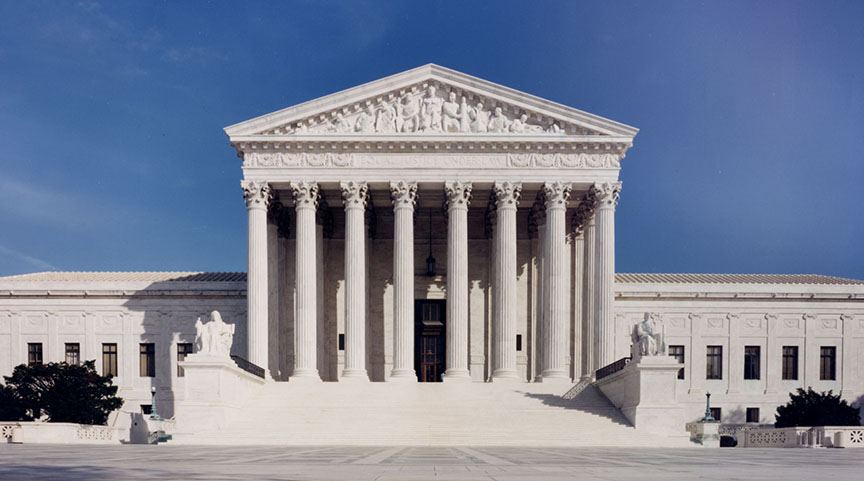
Editor at large John Kingston and Washington bureau chief John Gallagher will be following the oral arguments before the U.S. Supreme Court Wednesday in Montgomery vs. Caribe, the case that is expected to settle an almost existential question in freight brokerage: does the safety exception of the Federal Aviation Administration Authorization Act (F4A), which allows state safety regulation of transportation safety while the rest of F4A mostly bars state involvement, allow legal actions against brokers for negligence or liability arising from the carriers they hire?
The key phrase that is likely to be discussed before SCOTUS is “with respect to motor vehicles.” The safety exception says its application is “with respect to motor vehicles.” Circuits have split on whether that definition includes the 3PLs that hired that motor vehicle. That’s why after earlier rejections of certiorari on other F4A jurisdiction cases the high court decided to review this case which involves a driver, Shawn Montgomery, struck by another truck operated by Caribe Transport and hired by C.H. Robinson (NASDAQ: CHRW).
C.H. Robinson was originally a defendant in the case. But a lower court and then the 7th Circuit dismissed it from the case, saying the company was protected by the F4A, which decrees that states can not take legal action that would impact a “price, route or service” in transportation. The exception would be for a safety issue, and in the Montgomery case, the courts held the safety exception is “with respect to motor vehicles” and a 3PL isn’t a motor vehicle.
But other cases have disagreed. In particular, the buildup of conflicting opinions already included another case where C.H. Robinson lost its argument, Miller vs. C.H. Robinson in the 9th Circuit. More recently, the safety exception was held to not protect brokers in Cox vs. TQL, coming out of the 6th Circuit. TQL last year lost that case and also requested certiorari. The Court did not rule on that request, presumably awaiting what it says in Montgomery before disposing of Cox.
C.H. Robinson’s arguments are expected to be made by Warren Dean or Kathleen Kraft of the law firm of Thompson Coburn.
The Trump administration’s solicitor general D. John Sauer has been granted 10 minutes of C.H. Robinson’s 30-minute oral argument allotment to argue in favor of the brokerage industry’s case.
10:11 a.m.: The audio feed has not started.
————————————————————————————————————————
10:19 a.m. Clement starts his remarks. “My friends (CHRW) concede state tort law is a classic case of regulatory authority. The question is whether the negligent hiring claim is with respect to motor vehicles. It is. The whole point is to take dangerous vehicles off the road. Thus the question in this case boils down to whether the negliglent hiring claims with respect to motor vehicles.”
———————————————————————————————————————–
10:23 a.m.: Clement getting hit by Kavanagh on why there are insurance requirements for carriers but not brokers. The idea here is that if Congress in F4A wanted brokers to have the same liability standards as carriers, Congress would have had put the same insurance standards on them as they do for carriers. He’s also getting asked about differences in interstate and intrastate regulation which is in other parts of F4A beyond the safety exception.
10:32 a.m. Clement says if the safety exception brings in brokers–remember, that’s what he wants–then shippers could be part of that too in a tort.
—————————————————————————————————————————————————————
10:35 a.m.: The differences in the safety exception between intrastate and interstate law is a very big issue for the questions from the bench, and it isn’t a good argument in favor of the brokers. Clement is getting pushed on this.
—————————————————————————————————————————————————————–
10:37 a.m.: Clement says brokers can protect themselves by asking questions. He cites C.H. Robinson’s own rules which he says in the case of hiring Caribe they broke their rules “anyway.”
10:45 a.m.: First, this is clearly going more than an hour. Clement is still up there. Clement’s argument, summed up: “Federal deregulation takes place in 1980, they don’t impose the preemption until ‘94 and then they don’t address brokers and freight forwarders until 1995. So for 15 years, the federal government was perfectly happy to deregulate at the federal level and let the states kind of do what they want. At a certain point I’m surmising that they said some of the state regulation is getting in the way of our federal economic deregulatory objectives but at the same time the one place they really did try to preserve state regulatory authority with respect to safety and motor vehicles.”
10:55: a.m. Clement is done. But Justice Jackson wrapped him up by asking whether “we need to focus on the definition of motor vehicles.” But that is absolutely the question that has been raised: is a brokerage the same thing as a motor vehicle? Clement says “nobody disputes that there is a motor vehicle. The only question is the state safety regulation.”
10:59 a.m.: Error before in who was making the argument for C.H. Robinson. It is Theodore J. Boutrous of the Los Angeles office of Gibson, Dunn & Crutcher.
————————————————————————————————————————————————————————-
11:09 a.m.: Boutros said Clement’s’ depiction of what a broker does is “completely divorced from reality.” Justice Barrett asks whether there is a duty to check the safety records of the carrier it hires. “No, your honor, they can rely on federal government licenses,” Boutrous says. “The state could not impose a duty on them to make sure that they pick and match the best i terms of safety records.” Justice Kagan is seriously pushing back on this issue. Most of the commentary from the bench seems to be pushing back on the idea that brokers are separate from the use of the term motor vehicles in F4A.
———————————————————————————————————————————————————–
11:14 a.m.: Shipper attorneys are probably dying right now that the question of whether shippers can be held liable or negligent, beyond brokers, is coming up before both attorneys. It’s more theoretical but still, they probably didn’t expect to be part of today’s arguments. It’s being discussed during Boutrous’ time now as well as it had with Clements.
—————————————————————————————————————————————————————
11:18 a.m.: When the debate over broker liablity began with decisions years ago, the whole issue of English proficiency wasn’t on the agenda. It is now and it has come up a few times today. It’s not beneficial to the brokers’ argument because it could be seen as one more layer of responsibility on the 3PLs: do the drivers you hire speak English? And is that a broker’s responsibility to check or can they rely on FMCSA and the carrier’s own requirements?
——————————————————————————————————————————————————————–
11:19 a.m.: Interesting point by Boutrous: litigation against brokers started in 2004 when the plaintiffs’ bar started to sue 3PLs. Notable that he’s got such a firm date.
——————————————————————————————————————————————————————–
11:23 a.m.: Boutrous is done. The solicitor general’s argument is being made by Sopan Joshi, assistant to the solicitor general. He said there is “no daylight” between his argument and those of Boutrous.
———————————————————————————————————————————————————————
11:33 a.m.: Joshi: “Congress could be more clear.” But they weren’t, and Justice Barrett is trying to lay out scenarios to bridge the inconsistency. She is sounding like she is sympathetic to the Montgomery arguments.
————————————————————————————————————————————————————————
11:43 a.m.: As the justices get their last cracks at questioning Joshi, it’s become very granular on the question of the defintion of motor vehicles. Just haven’t heard any justice seeing an unamibuous interpretation of the law as having clearly delineated brokers as separate from motor vehicles. But that doesn’t mean they see them as motor vehicles. It will be significant deliberations.
——————————————————————————————————————————————————————-
11:52 a.m.: Clement, on rebuttal, notes that abut 94% of carriers have “not had a meaningful federal safety inspection.” “So it would be really nice if state tort law provided a backstop to the federal system,” he said. Clement said C.H. Robinson “should know everything as much as a carrier” in the selection of drivers. He also takes a dig at the amount of litigation on safety issues C.H. Robinson has been involved in, but doesn’t note just how much bigger CHRW is than anybody else.
————————————————————————————————————————————————————————-
11:54 a.m. : And we’re done. FreightWaves will have a full writethrough later Wednesday.
Brokerage Compliance Symposium
The day before F3. Every compliance issue you face - fraud exposure, carrier liability, FMCSA rules, cargo theft, insurance gaps - navigated by attorneys and operators defining best practices in a changing industry.
F3 Awards Dinner
The night before F3. FreightTech100 companies honored. FreightTech 25 and Shipper of Choice winners revealed live. Cocktail reception into dinner and live music - 300 industry leaders in one purpose-built room.
F3: Future of Freight Festival
Industry-defining keynotes, rapid-fire technology demos, and industry leaders networking in experiences across Chattanooga - plus the inaugural F3 Awards Dinner featuring the FreightTech and Shipper of Choice reveals.
The day before F3. Every compliance issue you face - fraud exposure, carrier liability, FMCSA rules, cargo theft, insurance gaps - navigated by attorneys and operators defining best practices in a changing industry.
The Signal at Chattanooga Choo Choo • Chattanooga, TN Register NowThe night before F3. FreightTech100 companies honored. FreightTech 25 and Shipper of Choice winners revealed live. Cocktail reception into dinner and live music - 300 industry leaders in one purpose-built room.
The Signal at Chattanooga Choo Choo • Chattanooga, TN Register NowIndustry-defining keynotes, rapid-fire technology demos, and industry leaders networking in experiences across Chattanooga - plus the inaugural F3 Awards Dinner featuring the FreightTech and Shipper of Choice reveals.
The Signal at Chattanooga Choo Choo • Chattanooga, TN Register Now