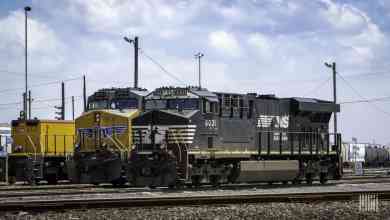
Bipartisan legislators unveil bill aimed at helping railcar manufacturers
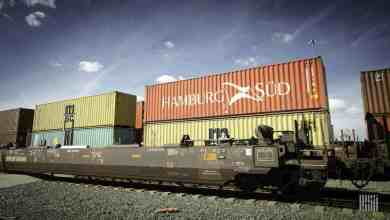
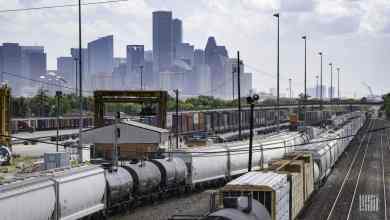
The Freight RAILCAR Act would provide a tax credit incentive for railcar owners to upgrade or replace railcars to more fuel-efficient models.
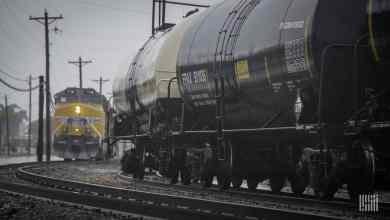
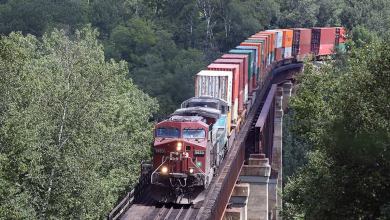
Railroads continue to play a significant role in North America’s economic infrastructure. According to the U.S. Department of Transportation Federal Railroad Administration, the U.S. rail freight network covers almost 140,000 route miles and is generally considered the largest, safest, and most cost-efficient freight system in the world. In addition, says the FRA, the almost $80 billion rail freight industry creates more than 167,000 jobs across the country.
In essence, rail freight companies charge businesses to carry cargo across their network of rails. Their rates are overseen by the Surface Transportation Board, a federal agency that regulates financial aspects of surface transportation. Major railroads in North America include Union Pacific Railroad, BNSF Railway, CSX, Norfolk Southern, Canadian Pacific Kansas City and Canadian National Railway.
Keep up with the latest news, trends and reports concerning rail freight transport here!
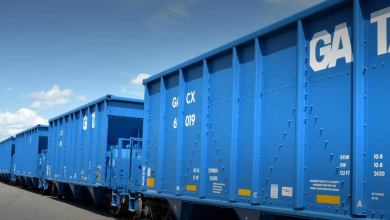
The Freight RAILCAR Act would provide a tax credit incentive for railcar owners to upgrade or replace railcars to more fuel-efficient models.
The railroads are taking precautions to ensure their networks are secure ahead of two U.S. Gulf Coast storms.
Environmental groups and several states have filed lawsuits against regulation governing liquefied natural gas by rail over environmental and safety concerns.
With diesel cheap, the fuel advantage for moving a ton of freight narrows for the railroads.
An increase in U.S. rail traffic pulled headcount higher in July.
Weekly U.S. intermodal volumes notched higher again for the second week in a row.
The short line operator prepares itself to manage future growth opportunities.
The campaign is part of a broader effort to prevent the spillage of the tiny pellets during their transport.
“Ice jacking” led to the February derailment of a CN crude train in Ontario, according to the Transportation Safety Board of Canada.
Volume declines for coal and energy, as well as customers’ changing business conditions, are factors behind the facility’s July closure.
Jack Mahoney will take over for the retiring Guy Stephenson.
The Class I’s have reached 100% compliance with three of the five categories required to reach full implementation.
The Port of Charleston reports its busiest July for vehicles handled.
Intermodal volumes actually grew year-over-year.
The railway hopes to build its intermodal presence in the East and bolster the network serving Toronto, Montreal and the U.S. Midwest.
Some volumes have been diverted to the Port of Halifax and other East Coast ports.
Although the order volume for new railcars could be “lumpy” industry-wide, the railcar manufacturer hopes to take advantage of increased inquiries.
The unions filed a lawsuit against the Class I railroads, saying the railroads refuse to discuss changes to certain healthcare benefit provisions during the collective bargaining process.
The COVID-19 pandemic dented BNSF’s profits and lowered rail volumes in the second quarter.
PayCargo has become a force in the online payment of freight transportation bills and now offers coronavirus-impacted shippers and forwarders credit lines to smooth their cash flow.