




Joanna Marsh
Wednesday, July 29, 2020
Pandemic puts pressure on Norfolk Southern
Second-quarter rail volumes fall by 26%.
Railroads continue to play a significant role in North America’s economic infrastructure. According to the U.S. Department of Transportation Federal Railroad Administration, the U.S. rail freight network covers almost 140,000 route miles and is generally considered the largest, safest, and most cost-efficient freight system in the world. In addition, says the FRA, the almost $80 billion rail freight industry creates more than 167,000 jobs across the country.
In essence, rail freight companies charge businesses to carry cargo across their network of rails. Their rates are overseen by the Surface Transportation Board, a federal agency that regulates financial aspects of surface transportation. Major railroads in North America include Union Pacific Railroad, BNSF Railway, CSX, Norfolk Southern, Canadian Pacific Kansas City and Canadian National Railway.
Keep up with the latest news, trends and reports concerning rail freight transport here!
Second-quarter rail volumes fall by 26%.

Rail equipment manufacturer Wabtect expects sequential rail volume gains to support the company’s global sales in the third and fourth quarters.

Supply chain strategy set “to seamlessly and efficiently import materials and export tires to global markets.”

Fitness for duty policies should ensure that they do not impermissibly screen out certain disabilities or conditions, and that the tests or selection criteria are job related and are consistent with business necessity.

Former Union Pacific and CSX executive Cindy Sanborn will replace retiring COO Mike Wheeler.
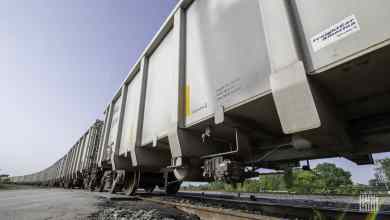
The nominations of a Republican and Democrat to the Surface Transportation Board are pending before the U.S. Senate Commerce Committee.

Raja Narayanan joins industry disrupter “at this pivotal time where the world is adapting to the new normal.”
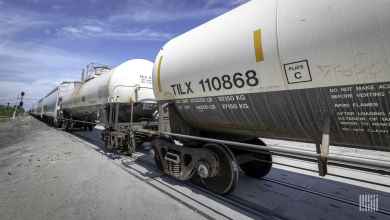
Trinity took a $369 million impairment charge because leasing small cube covered hoppers exposed the railcar lessor to the frac sand market.
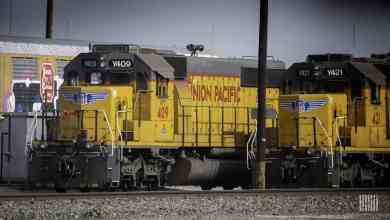
The western U.S. railroad looks to take more market share away from trucks.

Weekly volumes for U.S. intermodal units were only 1.7% lower than the same period in 2019.
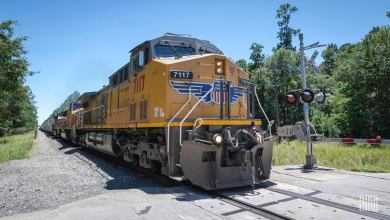
Coronavirus pandemic and economic uncertainty weigh on UP’s second-quarter earnings.
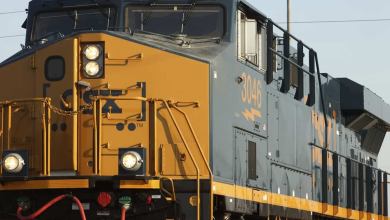
Volumes have been recovering swiftly, but headwinds make it difficult to predict when pre-coronavirus levels will fully return.

The COVID-19 pandemic and a slumping economy dent CSX’s earnings.
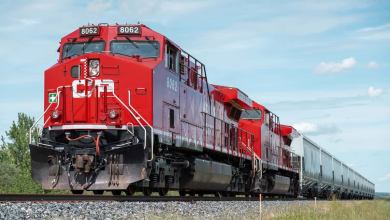
Despite a 12% drawdown in volumes, CP reached a record second-quarter operating ratio of 57%.
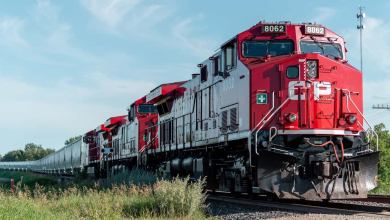
The COVID-19 pandemic dampened second-quarter revenue by 9%.

The expectation that North American consumers will help drive intermodal traffic comes as the railway’s second-quarter volumes were hit by the coronavirus pandemic.

Jason Miller, associate professor at the Michigan State University Eli Broad College of Business, paints a bearish picture.
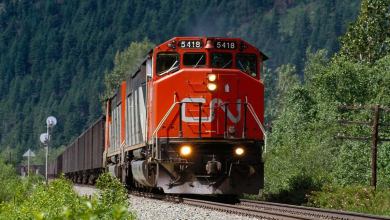
Unadjusted net income for the second quarter falls nearly 60% from the same period in 2019.

These factors are dampening lease rates and renewal activity, the company said during its second-quarter earnings call on Tuesday.

The coronavirus’ whipsaw effect on the global supply chain took a toll on Kuehne + Nagel during the first half of 2020, but without a rapid internal response the hit would have been far worse, CEO Detlef Trefzger says.