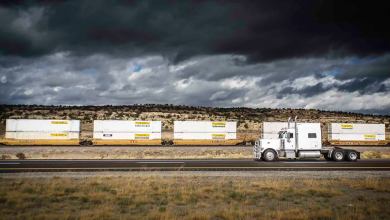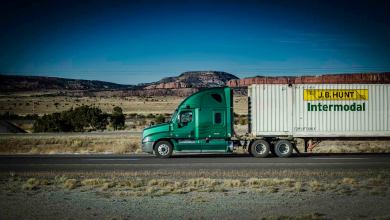
ELDs and U.S. container surge good for intermodal in 2018, but 2019 will not be repeat
Five-year high in growth seen last year thanks to tariff front-loading and tight truck supply, but shippers likely to put brakes on growth this year.
Railroads continue to play a significant role in North America’s economic infrastructure. According to the U.S. Department of Transportation Federal Railroad Administration, the U.S. rail freight network covers almost 140,000 route miles and is generally considered the largest, safest, and most cost-efficient freight system in the world. In addition, says the FRA, the almost $80 billion rail freight industry creates more than 167,000 jobs across the country.
In essence, rail freight companies charge businesses to carry cargo across their network of rails. Their rates are overseen by the Surface Transportation Board, a federal agency that regulates financial aspects of surface transportation. Major railroads in North America include Union Pacific Railroad, BNSF Railway, CSX, Norfolk Southern, Canadian Pacific Kansas City and Canadian National Railway.
Keep up with the latest news, trends and reports concerning rail freight transport here!
Five-year high in growth seen last year thanks to tariff front-loading and tight truck supply, but shippers likely to put brakes on growth this year.
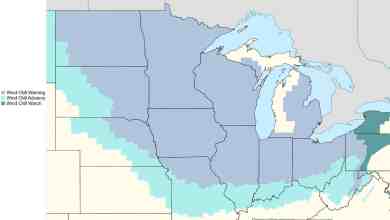
Class 1 railroad warns of slowdown in shipments through major intermodal hubs as tracks crack under severe cold.
Class 1 railroads may have to shorten train lengths and reduce speeds to cope with cold, while drayage supply will also be tight.
ELD impact substantive but short-lived, Hunt, NS executives say.
The still-high operating ratio came in for criticism while management says it will reveal all on February 11.
Hard commodity volumes were mixed, but intermodal and coal are better; pricing is the best in seven years.
The company moved up its operating ratio targets on the back of a strong performance in the early days of precision railroading.
It was a great quarter for the railroad with revenue growth in all its product lines and increases in both operating and net income.
Missing USDA data on wheat stockpiles has traders reacting cautiously.
A company that’s been doing it, a company that says it’s going to be doing it and a company that is being affected by others doing it: that was the theme on three calls about precision railroading.
Business and public policy leaders here have long dreamed of a high speed train connecting the so-called Cascadia Innovation Corridor cities: Portland, Seattle and Vancouver, B.C.
$2 billion in capex over the next ten years will nearly double Savannah’s container traffic to 8 million TEUs annually.
Just a few months after its CEO expressed some skepticism about the practice, the NAFTA-focused rail company will adopt its principles.
Intermodal is about half the business. It saw its volumes decline but overall grew its revenue.
The operating ratio—strong enough in the third quarter that it can be argued it was earth-shaking—weakened slightly but was still ahead of the fourth quarter of 2017.
Plus: AVs shrouded in secrecy; Puget Sound congestion relief
A current rail attorney who was with the STB for many years wonders whether it has ever broken free of the changes envisioned by the Staggers Act.
Dry van rates hit air-pocket last month and lose altitude; but other indicators of freight economy still looking up.
Overall import growth mean more freight all around, but high drayage costs and better service bringing more boxes to rail.
The U.S. – China trade war continues to disrupt freight movements into the new year.