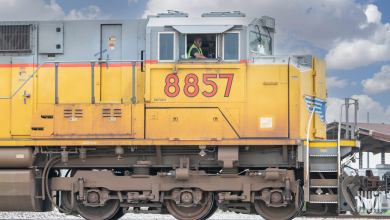
CN doesn’t expect return of ‘more normalized’ demand in 2023
Consumer demand is putting pressure on intermodal and lumber volumes and that is weighing on how CN views the back half of this year.
Railroads continue to play a significant role in North America’s economic infrastructure. According to the U.S. Department of Transportation Federal Railroad Administration, the U.S. rail freight network covers almost 140,000 route miles and is generally considered the largest, safest, and most cost-efficient freight system in the world. In addition, says the FRA, the almost $80 billion rail freight industry creates more than 167,000 jobs across the country.
In essence, rail freight companies charge businesses to carry cargo across their network of rails. Their rates are overseen by the Surface Transportation Board, a federal agency that regulates financial aspects of surface transportation. Major railroads in North America include Union Pacific Railroad, BNSF Railway, CSX, Norfolk Southern, Canadian Pacific Kansas City and Canadian National Railway.
Keep up with the latest news, trends and reports concerning rail freight transport here!
Consumer demand is putting pressure on intermodal and lumber volumes and that is weighing on how CN views the back half of this year.
Former Union Pacific and CN executive Jim Vena will be UP’s next CEO, while sustainability and strategy EVP Beth Whited has been promoted to president.
The Canadian wildfires and lower volumes for intermodal and crude oil put pressure on Canadian railway CN’s revenue for the second quarter of 2023.
A decline in loaded import volumes pulled the Georgia Ports Authority’s overall 2023 volumes lower.
The Federal Railroad Administration wants more data on train lengths so that the agency can better assess what impact, if any, longer trains might have on operations.
Figuring out how to encourage more shippers to switch from truck to rail is not something that can be done overnight, executives said during CSX’s second-quarter 2023 earnings call.
Volume and pricing gains for CSX’s merchandise segment weren’t enough to offset a decline in intermodal volumes and falling export coal benchmark prices, CSX said.
Sites in Arizona, Alabama and elsewhere are being prepared to host rail-served industrial facilities.
Democrats said they respect workers’ rights to strike in the event negotiations between the Teamsters and UPS fail.
Data visibility tech providers IntelliTrans and Nexxiot have created a product designed to give bulk and break-bulk shippers information about a rail car’s whereabouts.
Fiscal year 2023 volumes tracked more with 2021 volumes than with 2022, which had experienced an unprecedented cargo boom, according to South Carolina Ports.
U.S. rail imports from Vancouver and Prince Rupert are imperiled again. ILWU Canada has rejected the proposed dockworkers contract.
Union Pacific will expand the utility role in Nebraska and Colorado and make it more responsive to train movements.
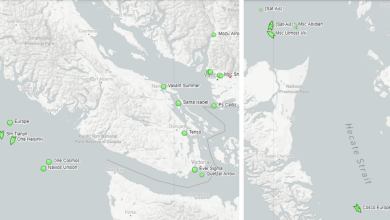
Now that the labor strike at Canada’s ports is over, it’s time to take a look at the delays it created.
The Competitive Enterprise Institute, the Rio Grande Foundation and others are urging senators to leave some items out of the rail safety bill before Congress.
Although international intermodal traffic has come to a halt at the Canadian West Coast ports since the start of the work stoppage on July 1, carload volumes for commodities such as coal and grain have grown, according to supply chain data visibility firm RailState.
The Surface Transportation Board will look into whether freight rail operations are affecting the on-time performance of Amtrak’s passenger rail service between New Orleans and Los Angeles.
Union Pacific and the union representing train conductors have reached a sick leave agreement.
U.S. imports via Canadian ports face rising fallout as the war of words escalates between dockworkers and employers.
The Association of American Railroads is suing the state of Ohio over its new law on freight train crew sizes.