Ocean carriers: Keep rail storage fee disputes at STB
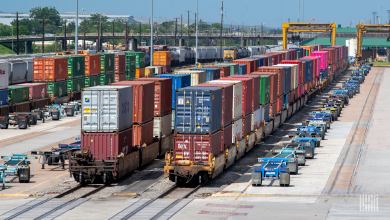
Shippers want Congress to expand FMC’s power over rail storage fees, but shipping lines say the power is already in the hands of the STB.
Railroads continue to play a significant role in North America’s economic infrastructure. According to the U.S. Department of Transportation Federal Railroad Administration, the U.S. rail freight network covers almost 140,000 route miles and is generally considered the largest, safest, and most cost-efficient freight system in the world. In addition, says the FRA, the almost $80 billion rail freight industry creates more than 167,000 jobs across the country.
In essence, rail freight companies charge businesses to carry cargo across their network of rails. Their rates are overseen by the Surface Transportation Board, a federal agency that regulates financial aspects of surface transportation. Major railroads in North America include Union Pacific Railroad, BNSF Railway, CSX, Norfolk Southern, Canadian Pacific Kansas City and Canadian National Railway.
Keep up with the latest news, trends and reports concerning rail freight transport here!
Shippers want Congress to expand FMC’s power over rail storage fees, but shipping lines say the power is already in the hands of the STB.
Truck transportation jobs rose in April, defying the worst forecasts from the freight recession.
CPKC and Canadian coal producer Teck Resources’ new service agreement includes a pilot program in which CPKC will test out its hydrogen locomotives to transport Teck’s coal.
Reduced North American rail traffic isn’t dampening the outlook for these rail equipment manufacturers and rail car lessors.
In the wake of the East Palestine train derailment, Congress is poised to take action to improve rail safety. Here’s how they can do it.
Union Pacific, BNSF and Norfolk Southern need to go further in improving rail service, according to a Surface Transportation Board decision requiring the railroads to submit service performance reports.
Maritime and logistics services company Crowley and Canadian railway CN have joined in a new service that will connect Canada, the Midwest and the Gulf Coast of Mexico.
Union members working for CSX and CN said they have ratified labor agreements with their employers.
FreightWaves discussed with Railroad Workers United organizer Ron Kaminkow what craft union employees need from the railroads to improve morale.
Norfolk Southern and SMART-TD, the union group representing train conductors that work at NS, have reached a tentative agreement that addresses scheduling issues and sick leave.
The impact of the movement of trade to the East Coast and Gulf ports can no longer be denied in the railroad data.
The California Air Resources Board has passed a regulation that compels freight and locomotive operators in California to adopt technologies to reduce locomotive emissions and phase out diesel locomotives.
Hub Group had year-over-year revenue declines in its intermodal and logistics segments during the first quarter.
FRA has issued a safety advisory asking freight railroads to be aware of the operational adjustments that must be made when they deploy longer trains.
The partnerships with the two truck carriers for intermodal service will create new business opportunities for all three companies, CPKC officials said during the company’s first-quarter 2023 earnings call.
The California Air Resources Board is expected to discuss this week a proposed regulation calling for zero-emissions locomotives by 2030 and 2035.
Norfolk Southern is adjusting how it configures trains in response to the February East Palestine, Ohio, derailment. That will help the company improve productivity later this year, officials said during the railroad’s first-quarter 2023 earnings call Wednesday.
Canadian Pacific Kansas City railroad announced a deal with Knight-Swift Transportation to provide intermodal capacity for a Mexico-to-Chicago train.
Not to be outdone by CPKC, CN said it is partnering with Union Pacific and Grupo México to provide a new, cross-continent intermodal service that will seek more truck-to-rail conversions.
Unions representing locomotive engineers and train conductors are still working through some sticking points with railroads regarding work schedules, sources told FreightWaves.