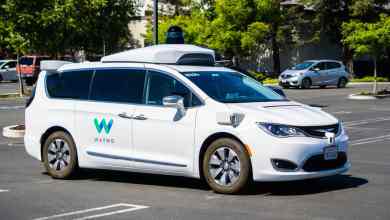
Waymo is setting up a production facility in Detroit to manufacture self-driving cars
Waymo is setting up the world’s first production facility in Detroit that manufactures Level 4 autonomous vehicles.
Stay Up to Date on Trucking, Supply Chain and Logistics Startups & More
The logistics industry is built on innovation, and startups have come to be a driving force behind that innovation. In the last few years, trucking, supply chain and logistics startups have emerged to disrupt the industry and drive it forward, especially in terms of digitization and automations. Check back here for the latest coverage and analysis of startups that are shaking up the industry.
Waymo is setting up the world’s first production facility in Detroit that manufactures Level 4 autonomous vehicles.
Elon Musk has stated that Tesla would be launching fully autonomous cars by the end of this year, and that he expects to see one million autonomous Tesla cars on the road by 2020.
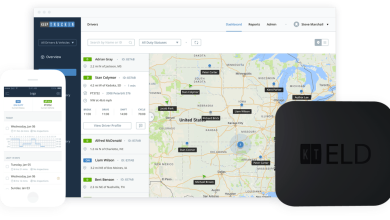
The trucking technology provider will use the funds to ramp up hiring, hardware investments, new partnerships and advancements in machine learning.
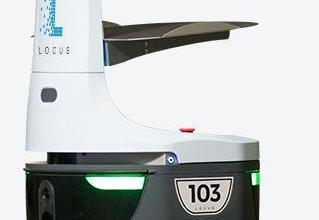
The funds will be used to scale its warehouse robotics system, as well as expand sales and marketing in North America and internationally.
Datapace is the latest company to join the Blockchain in Transport Alliance (BiTA). Learn more about Datapace and BiTA in this article.
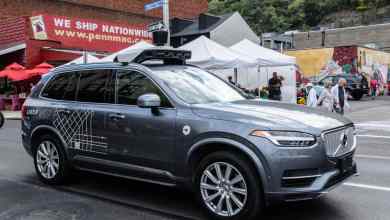
Uber is planning to sell 14 percent stake on its autonomous driving division for $1 billion to investment firm Softbank, automaker Toyota, and auto parts manufacturer Denso.
STORD simplifies the distribution experience of shippers by networking with warehouses and carriers, and providing shippers with warehousing capacity and transportation based on their needs.
FleetZoo is a delivery and service optimization startup that is solving the last-mile problem by providing a solution that lets companies optimize and visualize all their delivery routes in a matter of minutes.
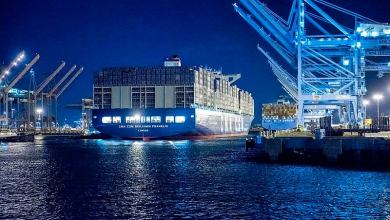
LA caught between straits of labor and capital; group looks for ocean freight’s Esperanto; and digital-first forwarder gets $20m funding.
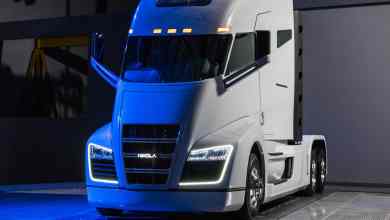
Nikola Motors has the potential to disrupt the freight industry by building hydrogen fuel powered trucks and by setting up hydrogen fuel stations all across North America.
The total amount of investment during the first quarter – $1.6 billion – is more than half of the $2.9 billion in venture capital invested for the full year 2018.
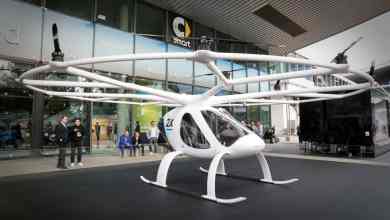
Considering that Singapore has over 20,000 people per square mile, it may be prudent for the city-state to consider air taxis as an urban mobility option.
Flowspace helps companies source on-demand warehousing space, allowing them to scale up rapidly and concentrate on gaining more customers, rather than stagnate with the burden of finding warehouses to stock products.
With this acquistion, TeleSense will help drive the automation of the grain supply chain and expand its footprint across Europe.
A recent article in Landline Magazine suggested that Truckstop.com’s new VC partner could merge the load board with Convoy or Uber Freight. This is unlikely to happen.
Not long after its IPO, Lyft is removing electric bikes from the markets of New York City, Washington, D.C. and San Francisco after reports of problems with the vehicles’ brakes.
Cocoa farming in Africa witnesses a lot of forced and child labor, which can be eliminated if the stakeholders within chocolate supply chains can have transparency on end-to-end operations.
WebCargo by Freightos has acquired India-based Air Freight Bazaar, with the intent of expanding its footstep in global air cargo digitalization.
Albertsons Companies is now part of the IBM Food Trust network, and plans to use blockchain in tracking its food produce from the farm to its store shelves.
The pending IPO comes as many experts are questioning the profitability of the ride-share model.