Chinese startup Geek+ raises $150M in funding over futuristic AI-enabled logistics robots
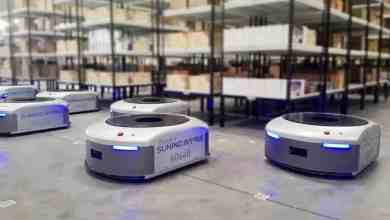
Beijing-based startup Geek+ is a pioneer of AI-enabled logistics robots for warehouses, and is powering technological transformation of the logistics industry.

Stay Up to Date on Trucking, Supply Chain and Logistics Startups & More
The logistics industry is built on innovation, and startups have come to be a driving force behind that innovation. In the last few years, trucking, supply chain and logistics startups have emerged to disrupt the industry and drive it forward, especially in terms of digitization and automations. Check back here for the latest coverage and analysis of startups that are shaking up the industry.
Beijing-based startup Geek+ is a pioneer of AI-enabled logistics robots for warehouses, and is powering technological transformation of the logistics industry.

Coming in at number 10 on our Freight.Tech 25, KeepTruckin continues innovate and collaborate. One of their more recent tech additions to their product line is the App Marketplace.
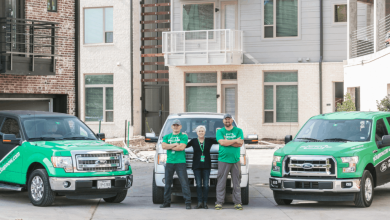
Same-day shipping has been made popular by the likes of Amazon, but small-time retailers find it hard to keep pace. California-based startup Shipsi is changing that by assisting shippers to plug into last-mile delivery options and helping them provide the elusive same-day shipping experience.
Rally, is a startup working on creating an on-demand mobility service by helping communities look at bus ride-sharing as a way to get to concerts, festivals, and sporting events.
Being one of the world’s fastest-growing predictive supply chain platform and delivering real-time visibility and analytics to a wide range of Fortune 500 companies and 3PLs, has helped FourKites take the #7 spot in the Freight.Tech 25.
Upply is looking to pioneer a more efficient and transparent supply chain market that could effectively help industry stakeholders unleash their full potential.
Last-mile delivery is especially difficult for oversized items such as furniture, where retailers face challenges with rising customer expectations in speed, flexibility and quality.
Ambrosus enables consumers and supply chain stakeholders to have better trust over the products they receive or consume, by using sensors that communicate to the blockchain.
Resilience360 offers end-to-end supply chain risk management. The platform alerts customers about supply chain incidents globally and risks to their global supply chain in almost real time. It’s an ever-expanding market, and the company is well-positioned for continued data aggregation.
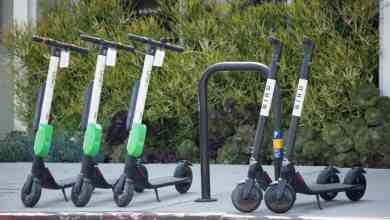
E-scooter startup Lime is having problems with vehicles catching fire – a problem it attributes to the batteries produced by Ninebot. It also is hearing complaints of bikes breaking down, which it figures is a design flaw of all Okai-manufactured vehicles, leading to a mass recalls on the said bikes.
Shippers seeking visibility into their freight will find APIs provide an easier solution than legacy data interchange systems.
Emerge, a startup providing Private Freight Marketplace (PFM) and TMS, and striving to increase visibility into freight supply chains, has raised $20 million in a seed round led by Greycroft Partners.
dexFreight founders Hector Hernandez and Rajat Rajbhandari want the supply chain community to realize that blockchain is for them.
SwanLeap tops another prestigious list recognizing the fastest-growing North American companies in technology, media, telecommunications, life sciences, and energy tech sectors based on percentage fiscal year revenue growth from 2014 to 2017.
World’s largest container lines plan to look at emerging technologies as new options come to the market.
BiTA member, Filament, demonstrated an important new product, and announced a major partnership this week.
CargoX Smart B/L platform would be the first open and neutral blockchain platform in the shipping industry for real-world commercial use.
“It’s such a massive market. If you don’t stay focused, you’re going to die.”
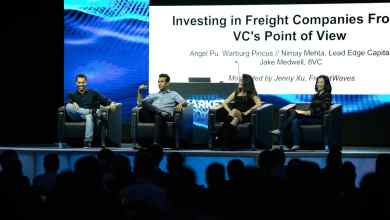
Cutting-edge freight tech startups and innovators give an intimate live product demo on the latest technologies changing the industry in a second round of seven minute demonstrations.
Kirchner says Slync spent a lot of time learning the market and what their customers need before they built anything. Asking the questions first is critical.