





Greg Miller
Wednesday, October 11, 2023
War in Israel: The new geopolitical flashpoint for ocean shipping
Geopolitics has always been a key driver of global shipping markets. How could the war in Israel affect rates?
Geopolitics has always been a key driver of global shipping markets. How could the war in Israel affect rates?

Peak season demand propelled imports higher in September, although softening spot rates point to a fourth-quarter slowdown.

Barge rates on the Mississippi stabilized in the past week and are still well below where they were a year ago.
On Friday, Unite the Union announced it registered a dispute over the increased medical standards on maritime pilots in the U.K.

Tanker giant Frontline is poised to dramatically expand its fleet, while Euronav is on a path to privatization.

Investors have been burned for years by dilutive share offerings by micro-cap shipowners. Backlash is building.
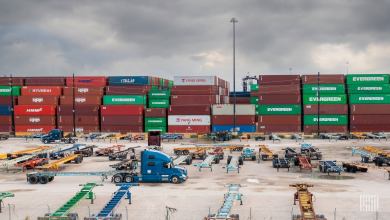
Investment firm Oaktree Capital Management has acquired Consolidated Chassis Management as the intermodal equipment provider becomes the sole manager of a new pool.
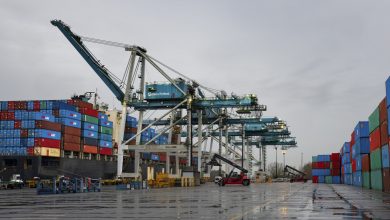
The Chapter 11 filing of the ILWU dockworkers union dates back to a dispute over two electrician jobs in Oregon a decade ago.
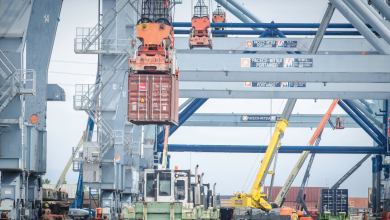
Just when it looked like West Coast port labor drama had dissipated, the ILWU has filed for bankruptcy protection.
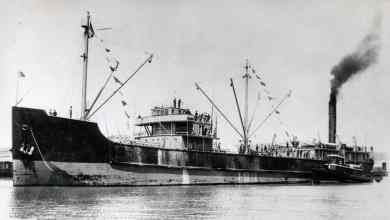
The U.S. government at the start of World War I looked to concrete vessel hulls to counter severe steel shortages when the country entered the war.

A flood of tanks, military vehicles and weapons systems is flowing from the U.S. to Europe. Shipowner ARC plays a pivotal transport role.

Seacor Holdings has sold its U.S. harbor towing operations to firms in Louisiana and Texas.

Cargo volumes were a mixed bag for Gulf Coast ports in August, with Corpus Christi and New Orleans reporting gains, while Houston saw a 20% decline in container shipments.

The Georgia Ports Authority reported a dip in August volumes at the Port of Savannah. But volume increases for rail traffic and roll-on/roll-off cargo were bright sports for GPA last month.

Inflation and economic fallout from the war are curbing demand just as a tidal wave of new ship supply hits the water.
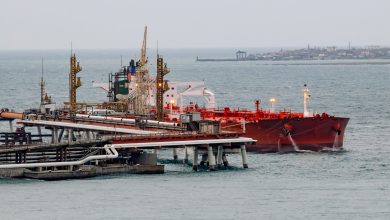
Diesel is an essential fuel for the global economy. The world’s second-largest seaborne supplier, Russia, just halted exports.

Barge rates for moving grain on the Mississippi have continued to rise as water levels remain low.
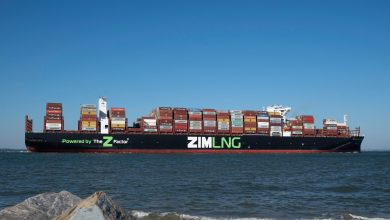
The recent rate rebound turned out to be fleeting. As rates deteriorate yet again, shipping lines face mounting losses.

Although container volumes were down at the Port of Charleston year over year, South Carolina Ports’ Inland Port Greer saw record volumes in August.

Although the U.S. supply chain may no longer be imperiled by the pandemic-era chassis shortage, companies should still act in response to expectations that e-commerce and global trade will only continue to grow, according to the president and CEO of Trac Intermodal.