




Noi Mahoney
Thursday, June 29, 2023
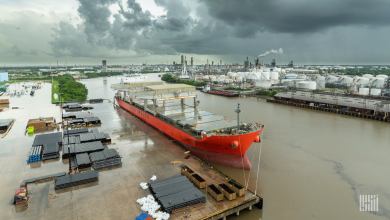
Gulf Coast ports post mixed cargo results in May
Houston saw lower container traffic in May, while freight flows rose in New Orleans and Corpus Christi, Texas.
Houston saw lower container traffic in May, while freight flows rose in New Orleans and Corpus Christi, Texas.
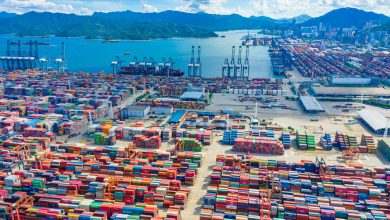
Declining demand for Chinese exports and reduced stimulus options threaten bulk commodity import prospects.

The Wagner mutiny is drawing attention to what happens after the war in Ukraine ends. When it does, shipping will see major changes.
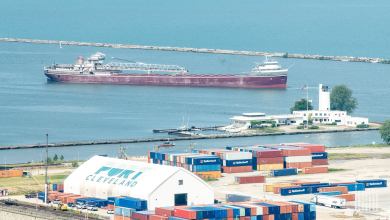
The Port of Cleveland thinks it has the capabilities to grow its footprint.

Concerns over highly dilutive share offerings by microcap shipowners have been building for years. The debate just intensified.
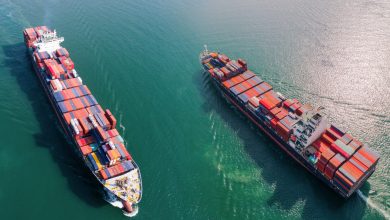
Trans-Pacific spot shipping rates remain under pressure, slumping back again as U.S. import demand comes up short.

The International Energy Agency predicts Asia will buy growing volumes of U.S. crude through 2028. That’s good news for supertanker demand.
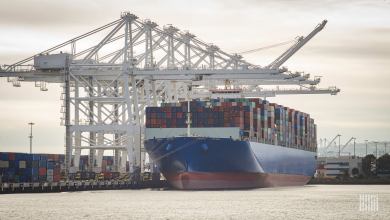
Data shows that some ships are still delayed after a tentative West Coast port labor agreement was reached this week.
Common misconceptions around data quality and connectivity stand in the way of maximizing value from visibility solutions and improving overall supply chain performance.
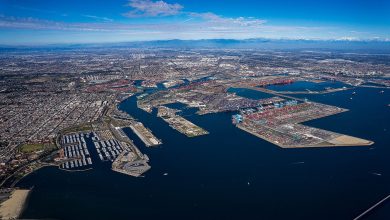
The U.S. supply chain has dodged a bullet. A new dockworker labor deal will keep the peace at West Coast ports.
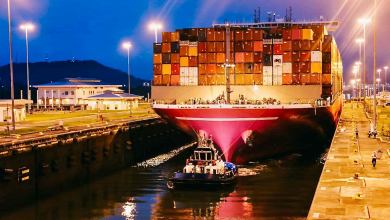
Demand for global supply chain visibility tools is forecast to hit $39B by 2028.
“Patience is wearing thin. Neither side imagined it would take this long,” says the head of the Port of LA on dockworker contract talks.
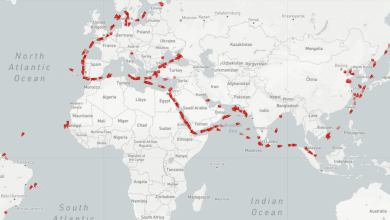
Mainstream European tanker owners that are willing to load Russian oil are far outperforming the broader market.
Descartes MacroPoint’s ocean visibility product brings data together in an accessible way that previously was not possible, providing transparency into data and locations during the whole ocean shipping process.
This year’s peak season could see West Coast labor disruptions coincide with Panama Canal water levels impeding cargo flows to the East Coast.
Dockworkers who keep West Coast cargo flowing are highly paid. Their bid for even higher pay is starting to affect the cargo flow.
The Mexican government is offering incentives to attract investors to the Isthmus of Tehuantepec global trade hub project.
Demand remains tepid, yet shipping lines have pushed spot rates off the bottom and secured contract rates above spot levels.
The dockworkers’ union and terminal employers are still sparring over wages and benefits more than a year after contract talks began.
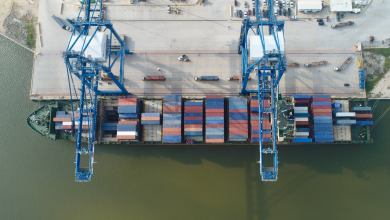
This week in Borderlands: Texas seaport completes a $146 million container terminal expansion; a chemical logistics provider expands its Arizona operations; Bollore Logistics opens a supply chain facility in Mexico; and border agents seize $38 million worth of meth hidden in a kale shipment.