Mixed signals: Container shipping downturn not following the script
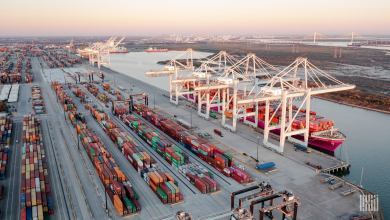
Despite a collapse in freight rates, container shipping is not behaving like an industry facing an imminent crisis.
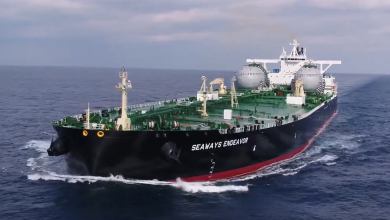
Crude production cuts are inherently bad for tanker shipping, but analysts are downplaying the fallout.
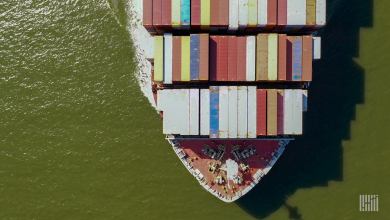
The trend in container shipping is summed up by the adage, “The higher you climb, the further you have to fall.”
A plan to convert the Howard Terminal at the Port of Oakland to a baseball stadium has moved forward, but the project’s fate is far from certain.
AskWaves checks in on AAPA’s port industry panel for its take on ocean shipping’s short-term prospects.
Surging costs after Russia’s invasion of Ukraine could be a taste of things to come as shipping transitions to more expensive “green” fuels.
The lineup of shipping stocks is in flux. There are multiple new listings as well as notable departures.
Members of Congress discussed container carriers’ antitrust exemption, along with how to implement the Ocean Shipping Reform Act, on Tuesday.
A fifth of U.S. containerized imports come from Europe. Shipping on this route remains much more expensive than it used to be.
Container shipping just experienced a record boom. Some believe crude and product tankers are poised to follow suit.
Ports in Houston and New Orleans reported strong cargo container flows during February, boosted by exports of plastics and chemicals.
Shipowners say they won’t order expensive new dual-fuel tankers without charters. They’re not getting charters, so they’re not ordering.
Fees to register a business or file complaints at the Federal Maritime Commission will be significantly higher in 2023 to account for higher agency costs.
Although February volumes at SC Ports were down 13% year over year, they still represented the second-highest total for the month in port history.
Flexport projects trans-Pacific contract rates will decline around 70% from 2022 levels but still be around 30% above current spot rates.
Federal regulators have codified provisions of the Ocean Shipping Reform Act that may extract more compensation from ocean carriers for rule violations.
U.S. importers have forsaken their traditional gateway in Southern California. Many may be gone for good.
Tanker capacity for diesel is already tight amid war fallout. With very few ships on order, future transport capacity could fall short.
Quarterly net losses could be around the corner for container lines, but EBITDA will stay high even if carriers dip into the red.
The Georgia Ports Authority reported its second-busiest February ever.