





John Kingston
Friday, September 4, 2020
Employment follow: A strong month for the logistics sector
Trucking jobs are up, but warehouse jobs are up even more
Railroads continue to play a significant role in North America’s economic infrastructure. According to the U.S. Department of Transportation Federal Railroad Administration, the U.S. rail freight network covers almost 140,000 route miles and is generally considered the largest, safest, and most cost-efficient freight system in the world. In addition, says the FRA, the almost $80 billion rail freight industry creates more than 167,000 jobs across the country.
In essence, rail freight companies charge businesses to carry cargo across their network of rails. Their rates are overseen by the Surface Transportation Board, a federal agency that regulates financial aspects of surface transportation. Major railroads in North America include Union Pacific Railroad, BNSF Railway, CSX, Norfolk Southern, Canadian Pacific Kansas City and Canadian National Railway.
Keep up with the latest news, trends and reports concerning rail freight transport here!
Trucking jobs are up, but warehouse jobs are up even more

The year-over-year growth comes amid reports of congestion at some West Coast ports.
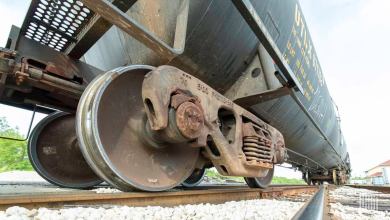
Railroads and union disagree over Federal Railroad Administration final rule enabling use of continuous rail inspection technology.
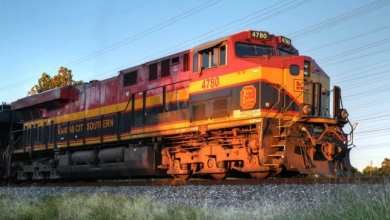
The Wall Street Journal is reporting that U.S. Class I railroad Kansas City Southern is in play again. Blackstone and Global Infrastructure Partners are reported to have made an offer.
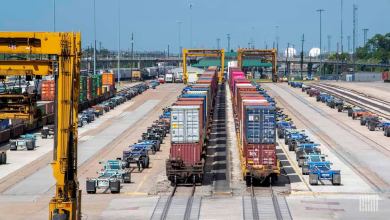
Intermodal was supposed to be the growth engine for rail.
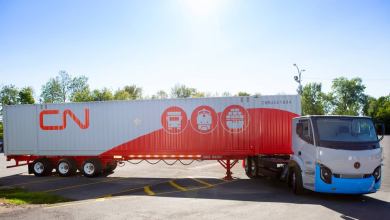
CN orders 50 electric trucks from Lion Electric Co. to support its intermodal operations in its largest urban markets in Canada.
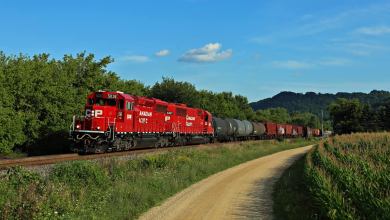
Canadian Pacific and CN say the deepwater ports are key to gaining market share.

A district court judge has signed off on a $48.9M class-action settlement for employees of two of the nation’s largest railway suppliers that are alleged to have engaged in no-poaching agreements.
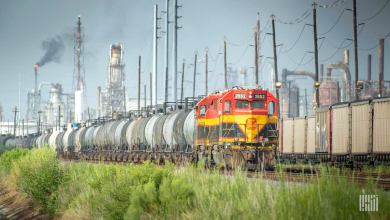
Class I railroad crews will spend the next two days clearing downed trees and restoring electric power along tracks in southern Louisiana.
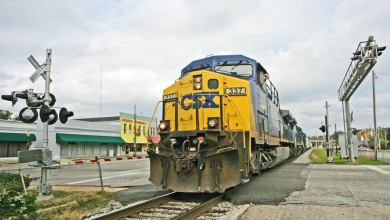
CSX expects the construction of two new intermodal terminals, one in North Carolina and the other in Ohio, to be completed in the first quarter of 2021.
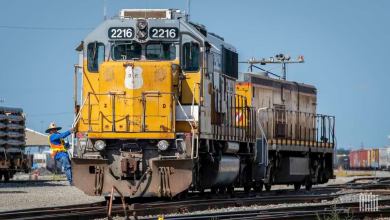
Union Pacific reports serious damage to its tracks near Lake Charles after Hurricane Laura pushed across Louisiana.

Weekly U.S. intermodal traffic continues upward, but Hurricane Laura could threaten that trend.
Wabtec’s former chief technology officer departs for CN; Wabtec appoints a new leader to the role.
The Surface Transportation Board and the Federal Railroad Administration administrator seek answers about Class I rail performance, while labor groups question furlough-related actions.
The Freight RAILCAR Act would provide a tax credit incentive for railcar owners to upgrade or replace railcars to more fuel-efficient models.
The railroads are taking precautions to ensure their networks are secure ahead of two U.S. Gulf Coast storms.
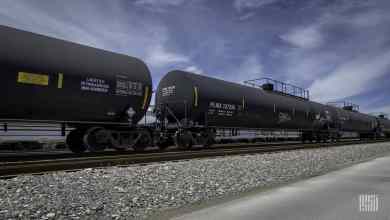
Environmental groups and several states have filed lawsuits against regulation governing liquefied natural gas by rail over environmental and safety concerns.
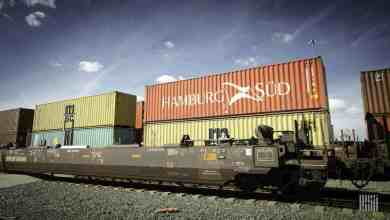
With diesel cheap, the fuel advantage for moving a ton of freight narrows for the railroads.
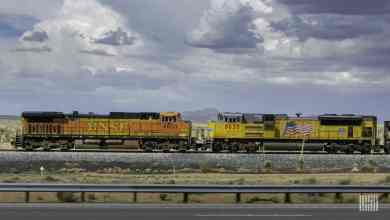
An increase in U.S. rail traffic pulled headcount higher in July.
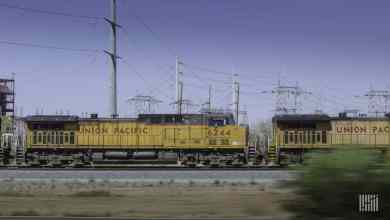
Weekly U.S. intermodal volumes notched higher again for the second week in a row.