




Joanna Marsh
Wednesday, June 17, 2020
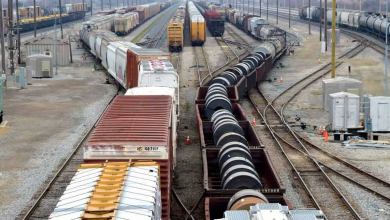
Norfolk Southern to idle Bellevue hump yard in Ohio
The yard was once the largest hump yard on the railroad’s network.
Railroads continue to play a significant role in North America’s economic infrastructure. According to the U.S. Department of Transportation Federal Railroad Administration, the U.S. rail freight network covers almost 140,000 route miles and is generally considered the largest, safest, and most cost-efficient freight system in the world. In addition, says the FRA, the almost $80 billion rail freight industry creates more than 167,000 jobs across the country.
In essence, rail freight companies charge businesses to carry cargo across their network of rails. Their rates are overseen by the Surface Transportation Board, a federal agency that regulates financial aspects of surface transportation. Major railroads in North America include Union Pacific Railroad, BNSF Railway, CSX, Norfolk Southern, Canadian Pacific Kansas City and Canadian National Railway.
Keep up with the latest news, trends and reports concerning rail freight transport here!
The yard was once the largest hump yard on the railroad’s network.
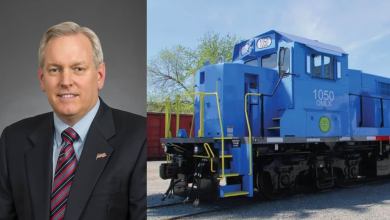
OmniTrax, a short line operator, says the appointment will help the company capitalize on customer interest for rail-based supply chains.
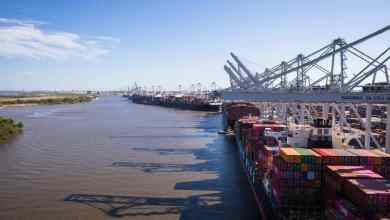
On the plus side, the Appalachian Regional Port nearly doubles the number of containers handled.
Rail unions don’t want unemployment and sickness benefits to be subject to government spending cuts.
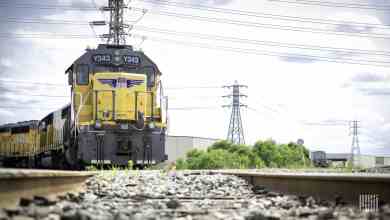
Class 1 railroads reiterate that some measures they took to cut costs because of the coronavirus could become permanent.

The investment firm published a research update that analyzed Mexico’s likelihood of changing its rail regulatory structure.

Averitt, OmniTRAX, Duluth Seaway Port Authority and Port of Newcastle announce appointments
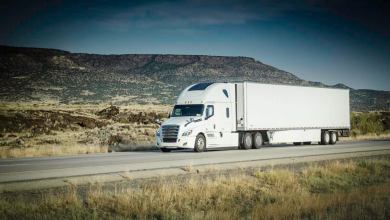
Rearview-looking government data confirms the stress for-hire transportation providers experienced in April. New cycle lows have built a foundation for recovery barring a pronounced second wave of coronavirus cases.
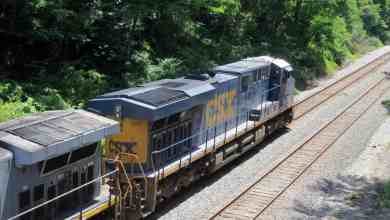
The executive vice president witnessed the implementation of PSR at a number of railroads over his 50-year career.
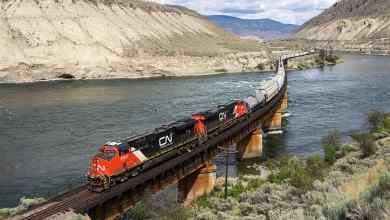
British Columbia seeks to ramp up its export capacity of propane at Canadian west coast ports, and CN is the only Class I railway serving the Port of Prince Rupert.
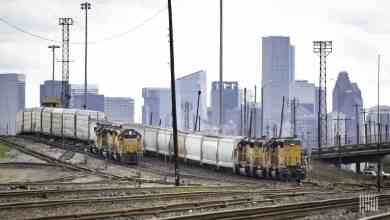
The cost to build a railroad is staggering. Jim Blaze gives an overview of the costs involved in such an endeavor.

With the second half of the year just weeks away, Class I rail executives are eyeing at least some recovery in rail volumes as shelter-in-place restrictions ease.
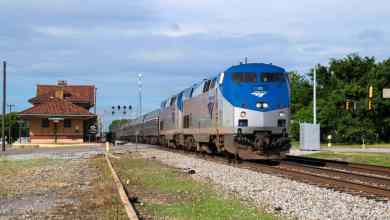
Freight railroads could see secondary benefits if projects improve a region’s network flow.
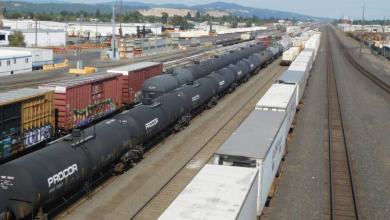
The active railcar fleet fell by 25% in May. Multiple headwinds face railcar demand, but volumes may be turning a corner.
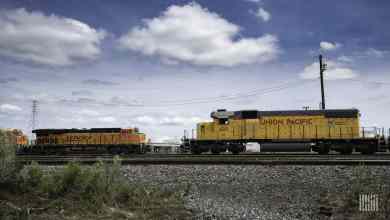
Jim Blaze explores the pontential for a merger or mergers among the Class 1 railroads.
BNSF and others are monitoring their rail networks as Cristobal moves up the Mississippi River Valley.
Darren Prokop provides information on the USMCA, which goes into effect on July 1, 2020. How will the agreement impact trade and supply chains in the three countries?
The tropical storm, expected to make landfall Sunday evening, could cause shipment delays because of potential flooding.
Labor groups praise bill’s contents but key freight rail group is “disappointed.”
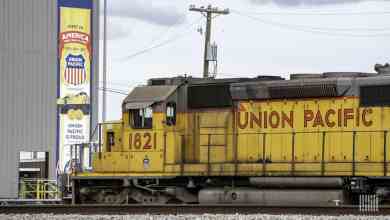
The railroad’s deployment of precision scheduled railroading resulted in faster and longer trains and reduced car sorting, according to the company’s recent sustainability report.