AAR: Coronavirus could dampen US rail traffic in coming weeks
The pandemic may put pressure on U.S. rail volumes, particularly for commodities that support consumer goods, says an Association of American Railroads executive.
Railroads continue to play a significant role in North America’s economic infrastructure. According to the U.S. Department of Transportation Federal Railroad Administration, the U.S. rail freight network covers almost 140,000 route miles and is generally considered the largest, safest, and most cost-efficient freight system in the world. In addition, says the FRA, the almost $80 billion rail freight industry creates more than 167,000 jobs across the country.
In essence, rail freight companies charge businesses to carry cargo across their network of rails. Their rates are overseen by the Surface Transportation Board, a federal agency that regulates financial aspects of surface transportation. Major railroads in North America include Union Pacific Railroad, BNSF Railway, CSX, Norfolk Southern, Canadian Pacific Kansas City and Canadian National Railway.
Keep up with the latest news, trends and reports concerning rail freight transport here!
The pandemic may put pressure on U.S. rail volumes, particularly for commodities that support consumer goods, says an Association of American Railroads executive.
The eastern U.S. railroad promotes Vanessa Allen Sutherland to EVP and chief legal officer.
The requests to waive the Federal Railroad Administration’s regulations on random alcohol and drug testing and on certain rail operations are due to social distancing recommendations and an anticipated reduction in staff because of COVID-19.
A final rule that goes into effect in June calls for freight rail carriers involved in higher-risk operations to provide employee training to safeguard against terrorism-related incidents.
“It’s important for us to keep the supply chain fluid” during the coronavirus pandemic, Executive Director Gene Seroka says.
Two unions’ petition to the Federal Railroad Administration contends that some Class I railroads have been slow to respond to calls for better workplace sanitation amid the COVID-19 outbreak.
Total headcount falls to its lowest level amid continued declines in U.S. rail volumes.
The Class I railroads would need to ensure that Amtrak can meet FRA’s on-time performance metrics for the routes they share with Amtrak.
The Chinese government is using the reason “Acts of God” to void many contracts due to coronavirus. Darren Prokop explores whether that is hurting current trade and will impact trade in the future.
Cybersecurity & Infrastructure Security Agency issues guidance on critical industries as millions of Americans ordered to stay home.
Should the railroads pare the number of types of railcars? Jim Blaze explores this topic.
Union Pacific and Canadian Pacific each have employees who have contracted the virus, and they and those around them are in self-quarantine.
The three Class I railroads have set or will set targets as part of their involvement in a global initiative.
OmniTRAX announces new CFO following several additions to the management team.
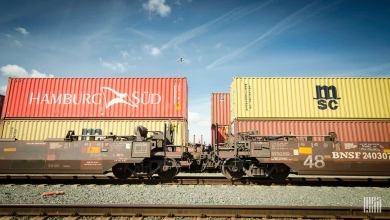
Intermodal volumes slump as the coronavirus cuts North American import and export volume.
The bills call actions such as setting federal penalties for blocked crossings and allowing funding for the construction of more rail-grade crossings.
Economic uncertainties, including the prospect of a coronavirus-induced recession, could spur the railroad to update its 2020 guidance.
Office operations that remain open implement CDC guidance to protect employees from spreading or contracting COVID-19.
The midstream logistics provider and the on-site rail services company say their alliance will provide cost efficiencies at the first and last miles.
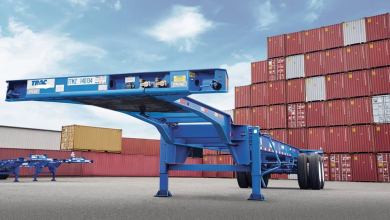
Canceled vessel sailings are resulting in too many intermodal containers at the ports and limited container availability inland.