




Joanna Marsh
Wednesday, April 22, 2020
U.S. weekly rail volumes contract by nearly 23%
U.S. rail traffic slumps amid pandemic woes, and challenges are likely to persist into the second quarter.
Railroads continue to play a significant role in North America’s economic infrastructure. According to the U.S. Department of Transportation Federal Railroad Administration, the U.S. rail freight network covers almost 140,000 route miles and is generally considered the largest, safest, and most cost-efficient freight system in the world. In addition, says the FRA, the almost $80 billion rail freight industry creates more than 167,000 jobs across the country.
In essence, rail freight companies charge businesses to carry cargo across their network of rails. Their rates are overseen by the Surface Transportation Board, a federal agency that regulates financial aspects of surface transportation. Major railroads in North America include Union Pacific Railroad, BNSF Railway, CSX, Norfolk Southern, Canadian Pacific Kansas City and Canadian National Railway.
Keep up with the latest news, trends and reports concerning rail freight transport here!
U.S. rail traffic slumps amid pandemic woes, and challenges are likely to persist into the second quarter.
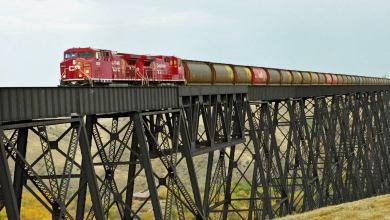
Precision scheduled railroading and its workforce will help CP get through anticipated challenges in the second quarter, company executives said.
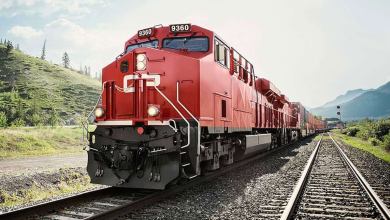
The railway’s first-quarter net income slipped on higher income tax expenses. But total revenue rose nearly 16% in the first quarter of 2020 while operating expenses were roughly flat-to-higher.

Investigators with the Transportation Safety Board are urging Transport Canada to consider revising track maintenance regulations since broken rail is appearing as a possible cause for two recent crude train derailments.
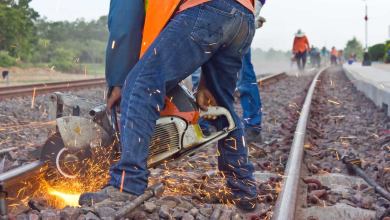
Employee counts at U.S. Class I railroads continue to be lower in 2020 than 2019, although total headcount rose slightly from February.
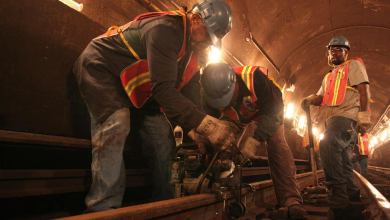
The grant application period is open for groups seeking federal funding for capital projects related to passenger and freight rail.
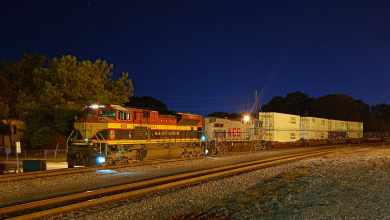
The railroad will be keeping tabs on operational costs as a way to hedge against the economic uncertainty brought about by the COVID-19 pandemic.
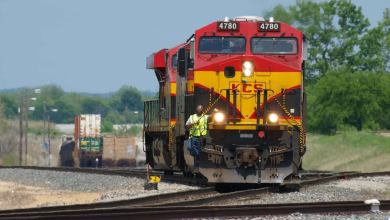
Cross-border movements of chemicals and petroleum products, as well as intermodal shipments, helped propel revenue higher.
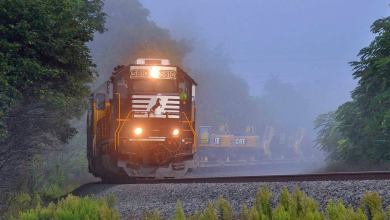
The company says its “disposal’ of 300 locomotives and its plans to sell 400 more are due to precision scheduled railroading.
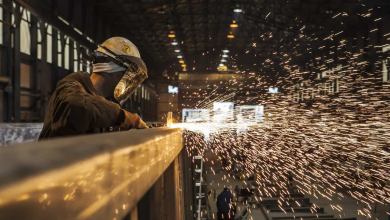
Diminished railcar demand and COVID-19 headwinds force railcar maker to halt production and trim staff.
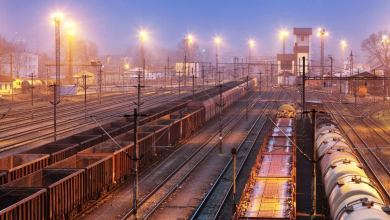
The pandemic’s economic toll has hit all sectors of transportation, including rail. Read how railroads can manage costs during this global crisis.

The ongoing coronavirus pandemic is shrinking U.S. rail volumes as the housing construction and retail sectors struggle to stay afloat.
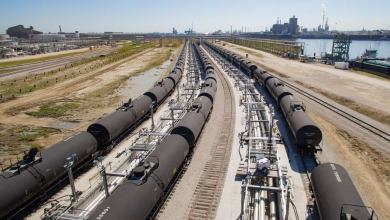
Although the space is needed, the economics don’t appear to work.
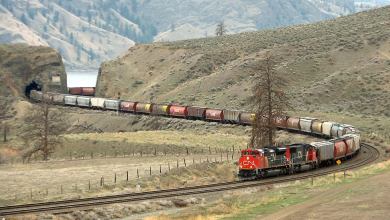
Other factors beyond the coronavirus pandemic are weighing on U.S. rail volumes for grain.
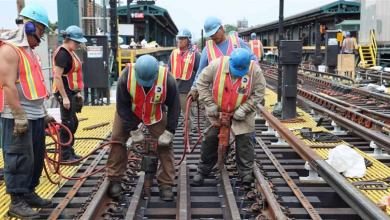
The groups want the Federal Railroad Administration to ensure that railroads’ requests to waive certain regulations stem from a true labor shortage.

While staying at home during the coronavirus pandemic, catch up on classic — and not-so-classic — movies prominently featuring modes of transportation.
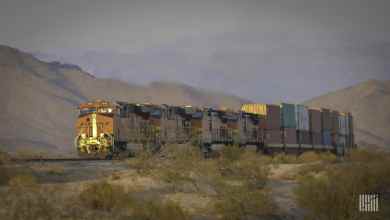
In terms of financial results for the Class I railroads in 2020, it could get worse before it gets better, according to several Wall Street analysts.
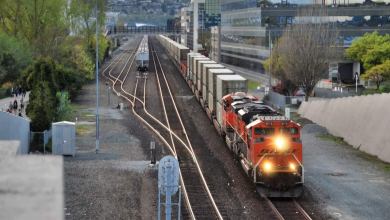
North American rail volumes last week were approaching levels normally seen during Christmas and New Year’s, according to the Association of American Railroads.
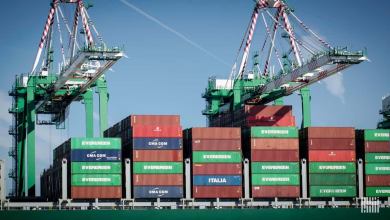
Third-party logistics providers engaged in international trade are facing the difficult decision of whether to thin staff or even close altogether in the face of a prolonged economic downturn caused by the coronavirus pandemic.
A report from Boston Consulting Group suggests that the Class I railroads must look beyond precision scheduled railroading and operating ratios if the industry wants to be a competitive transportation mode.