Regional Rail to acquire 3 Midwest short-line railroads
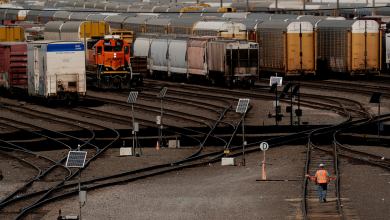
Regional Rail, which is backed by United Kingdom investment firm 3i Infrastructure, is acquiring three short-line railroads from Agracel Rail Holdings.

Railroads continue to play a significant role in North America’s economic infrastructure. According to the U.S. Department of Transportation Federal Railroad Administration, the U.S. rail freight network covers almost 140,000 route miles and is generally considered the largest, safest, and most cost-efficient freight system in the world. In addition, says the FRA, the almost $80 billion rail freight industry creates more than 167,000 jobs across the country.
In essence, rail freight companies charge businesses to carry cargo across their network of rails. Their rates are overseen by the Surface Transportation Board, a federal agency that regulates financial aspects of surface transportation. Major railroads in North America include Union Pacific Railroad, BNSF Railway, CSX, Norfolk Southern, Canadian Pacific Kansas City and Canadian National Railway.
Keep up with the latest news, trends and reports concerning rail freight transport here!
Regional Rail, which is backed by United Kingdom investment firm 3i Infrastructure, is acquiring three short-line railroads from Agracel Rail Holdings.
Telegraph says $10 million in funding will help the rail technology company serve its customers better as well as reach its broader goal of making rail more accessible to shippers via data visibility.
Norfolk Southern plans to pursue other measures than furloughs to get through market downturns, and two activist investors press NS and Union Pacific to address paid sick leave.
The Louisiana Department of Transportation and Development has awarded two $1.5 million grants to projects that seek to improve or modernize short-line rail infrastructure.
Stakeholders are processing their responses to federal actions this week to avert a potential economy-crippling rail strike.
It wasn’t a large gain, but truck transportation jobs in November continued an almost unbroke upward trend of gains since the worst of the pandemic.
Four out of 12 unions voted no on the White House-brokered tentative agreement. Now, they will have to accept the contract.
The Senate voted 80-15 to intervene on a potential rail strike. The bill does not mandate seven days of paid sick leave.
The Senate will likely vote Thursday to end any possibility of a legal rail strike. But a “wildcat” strike could still happen.
Lack of sick pay is a sticking point among railroaders on both sides of the debate over the tentative deal, but Congress could change that.
A rail strike could lift spot truckload prices and support a market that’s been soft, sources said. But should a strike continue, expect congestion and higher costs.
What’s it like to ride a historic locomotive? Go behind-the-scenes during FreightWaves’ ride on the No. 4014.
The House of Representatives voted 290-137 to intervene on a potential rail strike. It also voted to guarantee seven days of paid sick leave.
Congress is poised to pass a bill that will thwart a rail strike. But some lawmakers are breaking rank to call for an amendment that rail workers agree with.
If a prolonged rail worker strike happens, expect cross-border commodities such as cars, auto parts and Mexican beer to be bogged down.
CN and Norfolk Southern announce leadership changes. Transport Canada looks to fund projects aimed at promoting climate resiliency for rail infrastructure.
President Joe Biden is compelling Congress to intervene if there is a rail strike — and hinting that both sides should accept the labor agreement as it stands.
In a letter sent Monday to legislative leaders, trade groups warn of a financial disaster should a railroad strike occur on Dec. 9.
The U.S Government Accountability Office says the Federal Railroad Administration could do more to increase the participation of railroads in a program geared toward addressing the root causes of close calls in the workplace.
Is a rail strike imminent? Here are five things that might help you understand how we got here.