




Joanna Marsh
Friday, September 2, 2022
Grain shippers eye hiccups on rail network
Peak harvest season begins in the U.S. soon, and grain shippers are hoping rail service will be able to meet market demand.
Railroads continue to play a significant role in North America’s economic infrastructure. According to the U.S. Department of Transportation Federal Railroad Administration, the U.S. rail freight network covers almost 140,000 route miles and is generally considered the largest, safest, and most cost-efficient freight system in the world. In addition, says the FRA, the almost $80 billion rail freight industry creates more than 167,000 jobs across the country.
In essence, rail freight companies charge businesses to carry cargo across their network of rails. Their rates are overseen by the Surface Transportation Board, a federal agency that regulates financial aspects of surface transportation. Major railroads in North America include Union Pacific Railroad, BNSF Railway, CSX, Norfolk Southern, Canadian Pacific Kansas City and Canadian National Railway.
Keep up with the latest news, trends and reports concerning rail freight transport here!
Peak harvest season begins in the U.S. soon, and grain shippers are hoping rail service will be able to meet market demand.

The soybean associations say helping offset construction costs of AG Procressing’s terminal expansion at the Port of Grays Harbor will help soybean exporters in the long run.

Two of the larger unions, BLET and SMART-TD, were unable to reach a tentative labor agreement last week. But both “remain committed” to reaching one.

Three railroad unions plan to send their members a tentative labor agreement for ratification. However, there are still nine unions that have yet to strike a deal.

Transport Canada says it is initiating the first steps toward implementing a version of positive train control in the country.
This week in Borderlands: Kansas City Southern set to build second rail bridge in Laredo; Texas firm constructing a truck and trailer parking facility near Houston; Omni Logistics opens new shipping hub in Dallas; and New Mexico port expanding with help from federal grant.
The Utah Inland Port Authority, short-line operator TNW Corp. and the Surface Transportation Board have announced appointments and promotions.

The Transportation Safety Board of Canada wants the country’s major railways to install enhanced train-control technology similar to positive train control in the U.S.

Railroad union representatives have been reticent publicly about how they plan to proceed with contract talks following last week’s recommendations from an independent board.
The American Chemistry Council says freight rail service still leaves much to be desired, despite the railroads’ efforts to improve.
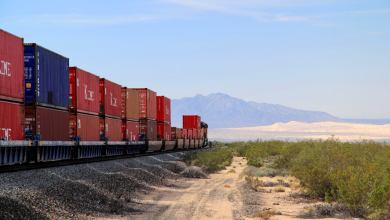
The Mojave Inland Port could reduce congestion at the ports of Los Angeles and Long Beach.
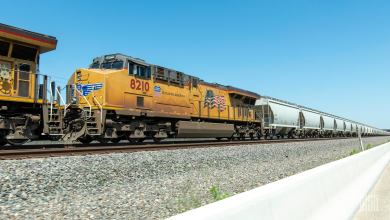
The Surface Transportation Board wants to know how the seven Class I railroads expect to meet demand for rail service during the harvest season running from September into the new year.

July was a record month at the Port of Virginia. At SC Ports, July’s volumes were up from June as the Port of Charleston sought to improve port flows.

Canadian midstream operator Keyera and CN are considering creating an energy terminal that would serve the production-rich region.
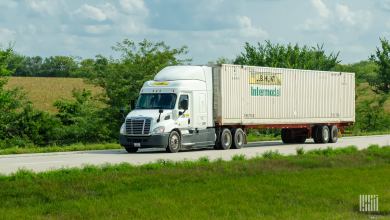
Management from J.B. Hunt Transport Services doubles down on long-term growth initiatives in its intermodal unit.
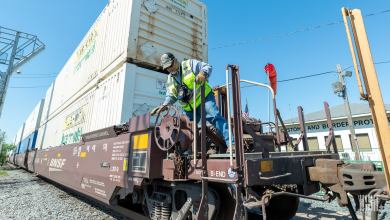
The presidential emergency board is charged with examining the sticking points in the stalled contract negotiations between U.S. freight railroads and their unions.

Canadian Pacific has won clearance from U.S. regulators for its KCS acquisition and has reached a labor agreement with union leaders for train and engine employees.
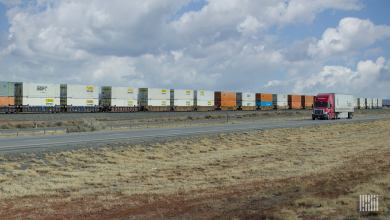
Inland port projects and rail cargo handling facilities are among the projects awarded grants through the Department of Transportation’s RAISE program.
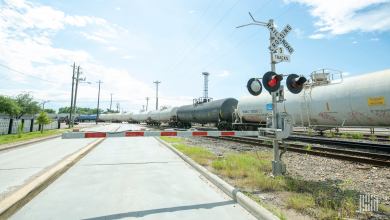
Precision scheduled railroading again took center stage during a roundtable concerning rail service.

The two eastern U.S. Class I railroads say they’re well on their way to meeting greenhouse gas emissions reduction goals.