




John Kingston
Thursday, September 15, 2022
Rail strike averted by tentative deal
A nationwide rail strike has been averted as the railroads and unions have reached a deal.
Railroads continue to play a significant role in North America’s economic infrastructure. According to the U.S. Department of Transportation Federal Railroad Administration, the U.S. rail freight network covers almost 140,000 route miles and is generally considered the largest, safest, and most cost-efficient freight system in the world. In addition, says the FRA, the almost $80 billion rail freight industry creates more than 167,000 jobs across the country.
In essence, rail freight companies charge businesses to carry cargo across their network of rails. Their rates are overseen by the Surface Transportation Board, a federal agency that regulates financial aspects of surface transportation. Major railroads in North America include Union Pacific Railroad, BNSF Railway, CSX, Norfolk Southern, Canadian Pacific Kansas City and Canadian National Railway.
Keep up with the latest news, trends and reports concerning rail freight transport here!
A nationwide rail strike has been averted as the railroads and unions have reached a deal.

In the unlikely event of a legislative settlement, rail workers could attempt to gain leverage through a risky walkout.
Billions in trade between the U.S. and Mexico could be affected by a railway strike that could begin Friday.
With a Friday deadline looming for some rail unions and management to make a deal, a shutdown is looking more and more possible.
Ahead of a strike that could occur after midnight Friday, U.S. freight railroads are winding down operations and the White House is preparing contingency plans.

The International Association of Machinists and Aerospace Workers, whose ranks total nearly 5,000 members, has voted to reject the tentative labor agreement between it and the Class I railroads. But two unions voted to ratify their agreements.

On demand on the podcast: what a rail strike means for freight and you; Truck Driver Appreciation Week; surviving CDL school and more
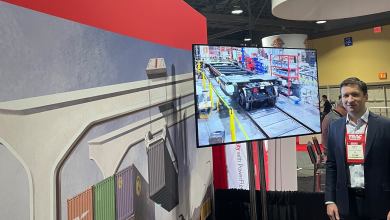
At IANA, the CEO of Parallel, the autonomous rail startup, describes the landscape he sees for the company’s product.
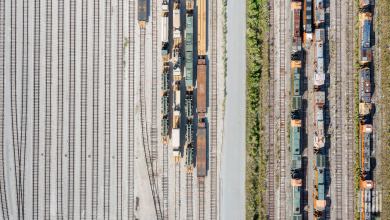
Beyond impacts to the supply chain, one national security expert contends a rail strike could pose a threat to national security.
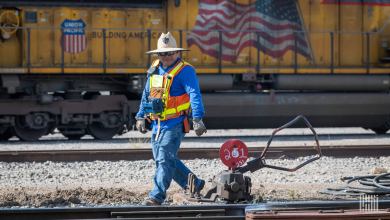
Settlement legislation introduced in the Senate may not be enough to avoid a rail strike or lockout on Friday.
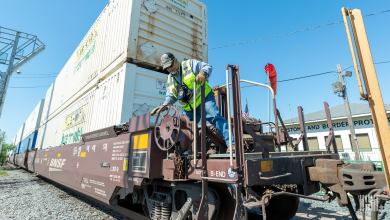
Nine out of 12 labor unions have reached tentative agreements with the railroads, up from five last week.

Disaggregation, or a shift toward smaller, faster, more flexible forms of freight transport, can help decarbonize the freight industry, remove logistics bottlenecks and increase resilience of domestic supply chains.
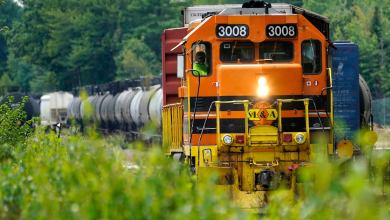
Congress must prevent a rail shutdown. Otherwise, factories will close, food and fuel supplies will dwindle and inflation will soar.
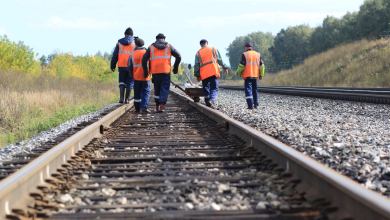
Three more railroad unions have reached tentative agreements with Class I railroads on new labor contracts.
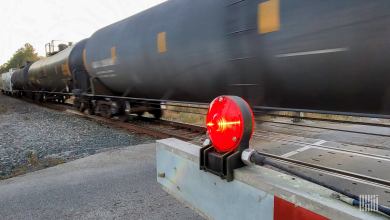
Uncertainties over whether union members will go on strike next Friday are causing the U.S. Class I railroads to embargo certain shipments and tell customers to expect delays.
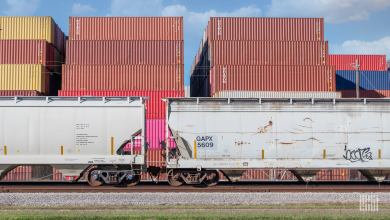
The CEOs of Union Pacific, CSX and Norfolk Southern anticipate rail volumes to grow amid service improvements and despite macroeconomic uncertainties, according to their comments at an investor conference this week.

The Association of American Railroads estimates that a nationwide strike could cost about $2 billion each day, while shippers groups rally Congress to intervene in the event a strike seems imminent.
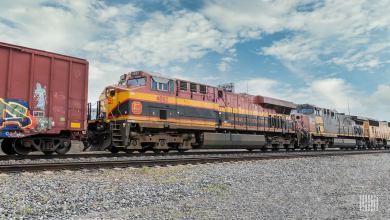
KCS has sites in the southern U.S. and in Mexico that are primed for the construction of warehouses and manufacturing facilities.

Thanks to a federal grant, the Mineta Transportation Institute at San Jose State University will be working with four other colleges to develop climate-resiliency strategies and tools for U.S. freight and passenger railroads.
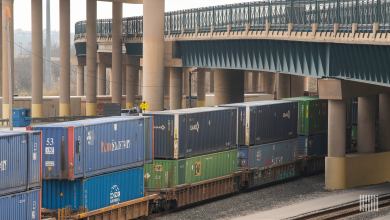
Two more unions, whose membership totals about 6,000 freight rail employees, have tentatively agreed to a new labor contract that calls for substantial wage increases.