





Craig Fuller, CEO at FreightWaves
Monday, October 4, 2021
Will high freight rates cause hyperinflation?
FreightWaves founder and CEO Craig Fuller analyzes inflation in the supply chain.
Railroads continue to play a significant role in North America’s economic infrastructure. According to the U.S. Department of Transportation Federal Railroad Administration, the U.S. rail freight network covers almost 140,000 route miles and is generally considered the largest, safest, and most cost-efficient freight system in the world. In addition, says the FRA, the almost $80 billion rail freight industry creates more than 167,000 jobs across the country.
In essence, rail freight companies charge businesses to carry cargo across their network of rails. Their rates are overseen by the Surface Transportation Board, a federal agency that regulates financial aspects of surface transportation. Major railroads in North America include Union Pacific Railroad, BNSF Railway, CSX, Norfolk Southern, Canadian Pacific Kansas City and Canadian National Railway.
Keep up with the latest news, trends and reports concerning rail freight transport here!
FreightWaves founder and CEO Craig Fuller analyzes inflation in the supply chain.
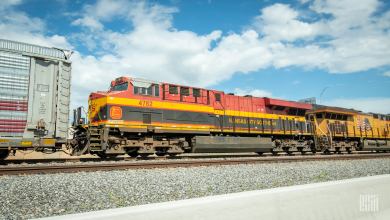
The board affirms its previous approval of Canadian Pacific’s voting trust application.
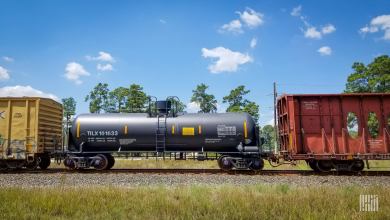
Industry observers grapple with the complexities of implementing reciprocal switching on U.S. rail networks.
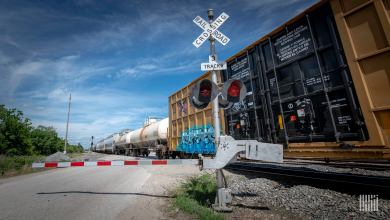
Despite flat-to-higher rail volumes in August both year-over-year and sequentially, the number of employees working at the U.S. operations of the Class I railroads fell slightly.
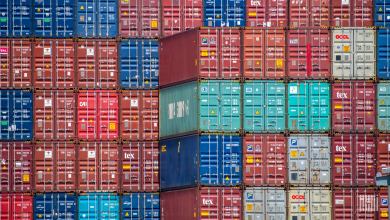
The East Coast ports of Savannah and Jacksonville are adding more container capacity amid long-term plans to serve as an alternative to West Coast ports.
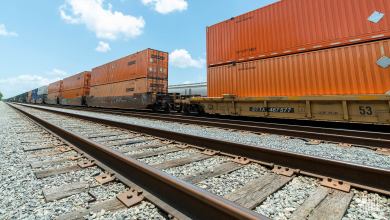
The railroads have been facing a number of headwinds in recent months, all of which could put pressure on their financial outlooks for 2021, according to investment firm Cowen.
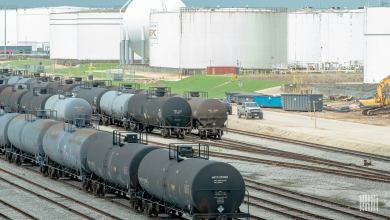
AskWaves answers why rail industry observers like to keep track of the number of railcars in storage. Hint: It has to do with broader economic trends.
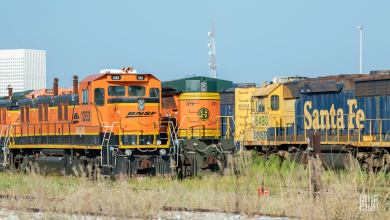
The Equal Employment Opportunity Commission has filed a lawsuit against BNSF over alleged sexual harassment at BNSF’s rail yard in Alliance, Nebraska.
A compilation of the past week in social media images features Northeast flooding, late summer Rockies snow and a white-knuckle helicopter landing.
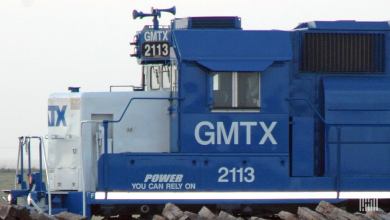
FRA Deputy Administrator Amit Bose testifies on crew size and LNG by rail at his nomination hearing.

Elevated steel prices are driving railcar owners to scrap outdated equipment, according to a Greenbrier manager.
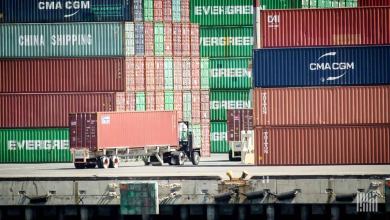
The Transportation Technology Center Inc. appoints a new president while truckers recognize TRAC Intermodal for its performance.
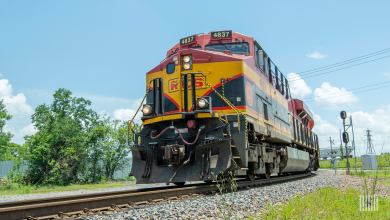
2022 could be a busy year for the Surface Transportation Board if it decides to tackle a number of long-standing, hot-button issues.
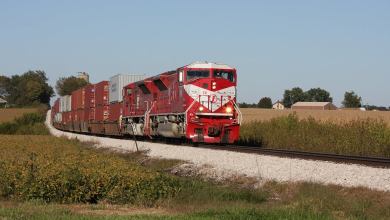
INRD’s expansion will benefit Indianapolis-area intermodal customers seeking access to the Asian market.
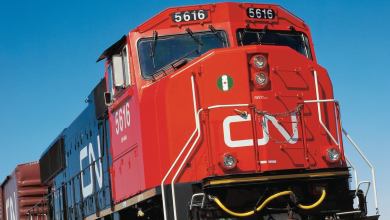
CN is seeking to generate CA$700 million in additional operating income in 2022 through cutting labor and operational costs and seeking pricing opportunities.
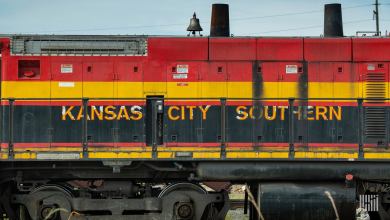
Expanding intermodal, grain and automotive offerings would be part of the growth strategy pursued by a merged Kansas City Southern-Canadian Pacific.
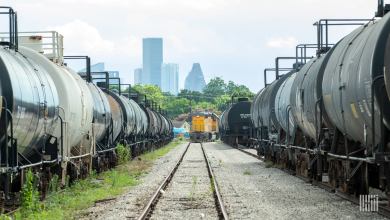
Recent rail news includes investments, technology purchases and cleanup fees.
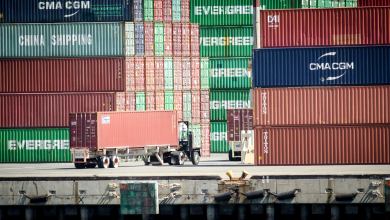
The Department of Transportation seeks “practical solutions” from the freight industry to alleviate container shortages and supply chain chokepoints.
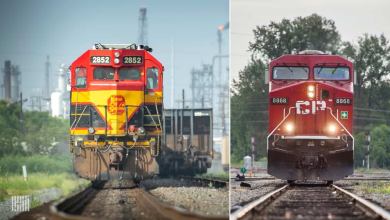
Kansas City Southern returns to its old flame and opts to merge with Canadian Pacific. Rival railway CN acknowledges its merger plans have been scrapped.

August was a record month for the Port of Virginia in Norfolk, and the trend of higher year-over-year volumes could persist through the rest of 2021 as peak season approaches.