Rail Roundup: Greenbrier hits 5,500 Q4 railcar orders; US rail traffic dips
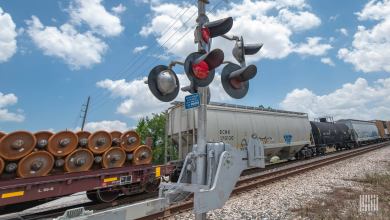
Railcar manufacturer Greenbrier’s Q4 orders total over $530 million, plus U.S. weekly rail volumes dip on an intermodal traffic decline.
Railroads continue to play a significant role in North America’s economic infrastructure. According to the U.S. Department of Transportation Federal Railroad Administration, the U.S. rail freight network covers almost 140,000 route miles and is generally considered the largest, safest, and most cost-efficient freight system in the world. In addition, says the FRA, the almost $80 billion rail freight industry creates more than 167,000 jobs across the country.
In essence, rail freight companies charge businesses to carry cargo across their network of rails. Their rates are overseen by the Surface Transportation Board, a federal agency that regulates financial aspects of surface transportation. Major railroads in North America include Union Pacific Railroad, BNSF Railway, CSX, Norfolk Southern, Canadian Pacific Kansas City and Canadian National Railway.
Keep up with the latest news, trends and reports concerning rail freight transport here!
Railcar manufacturer Greenbrier’s Q4 orders total over $530 million, plus U.S. weekly rail volumes dip on an intermodal traffic decline.
The facility at CP’s Bensenville, Illinois, rail yard, which is already in operation, will support the construction industry’s supply chain.
Both Canada and the U.S. have provisions that allow for reciprocal switching, or interswitching. But rail shippers’ ability to participate in the program differs in the two countries.
Progress Rail will use Union Pacific locomotives that are capable of handling a biodiesel blend of 20%.
As this year’s peak season gets underway, dislocations in the supply chain are increasing. However, this is really nothing new as the industry has been in peak mode for a year.
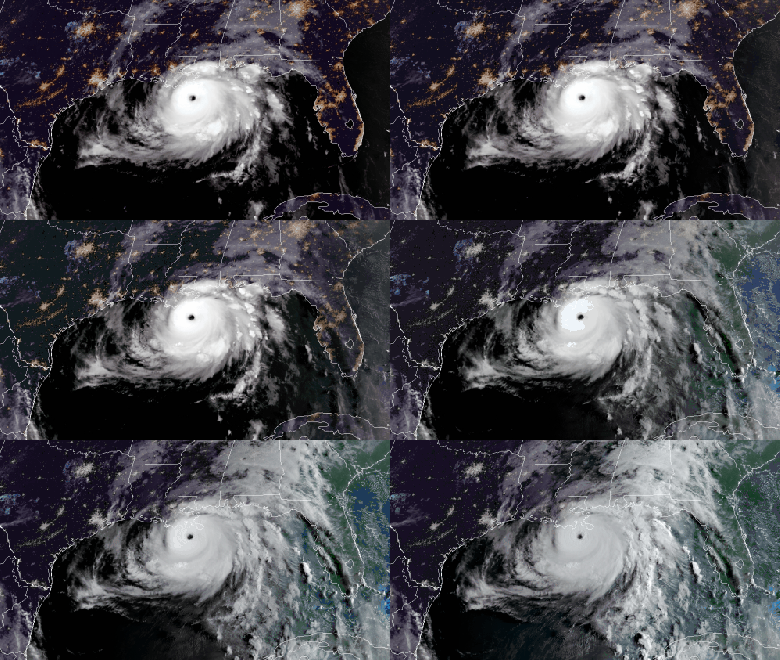
The past week in social media images features a menacing wildfire in California, tropical storm deluges, a train hitting a tractor-trailer and more.
KCS’ board of directors confirmed plans to postpone the shareholder vote on the CN-KCS merger agreement until after the Surface Transportation Board renders a decision on CN’s proposed voting trust.
News about BNSF, Kansas City Southern, Trinity Industries and TTCI.
Container volumes rose 25% at the Port of Savannah, while auto and machinery units grew 39% at Brunswick.
Although Canadian grain shippers anticipate lower grain harvest volumes for the 2021-2022 crop year, adequate rail service remains a chief concern.
The Association of American Railroads responds to regulator’s inquiry about supply chain congestion, while GoRail advocates for regulation supporting freight rail industry growth.
AskWaves looks at the regulatory might of this small, independent federal agency.
NS plans to reopen a Pennsylvania intermodal facility in response to e-commerce rise, market demand and supply chain congestion.
The past week in social media images features a fire whirl in Northern California, train derailments in the Plains, humongous hail and more.
Kansas City Southern declined Canadian Pacific’s revised bid, opting to stick with CN. But a shareholder vote to approve the CN-KCS merger agreement could be held off if the Surface Transportation Board doesn’t issue its decision on CN’s voting trust by Tuesday.
Canadian Tire is acquiring a 25% stake in Ashcroft Terminal in a deal that will allow the retailer to move containers from the Port of Vancouver more efficiently, while securing rail capacity.
South Carolina ports started the fiscal year off with a bang, moving a record volume of containers in July.
The CEOs of five Class I railroads tell the Surface Transportation Board that the root causes of the congestion facing rail intermodal terminals are beyond the railroads’ control.
August is likely to see a new monthly record for retail container imports, with 2021 doing the same. However, ongoing supply chain dislocation clouds how quickly consumers will be able to get their hands on the goods.
CP is offering a stock-and-cash “superior proposal” worth an estimated US$31 billion.