





Zach Strickland, FW Market Expert & Market Analyst
Saturday, June 29, 2024
Maritime shipping still on troubled waters
The international shipping market has once again destabilized, with no real signs of relief.
The international shipping market has once again destabilized, with no real signs of relief.

The Southeast’s capacity issues do not appear to be originating from increasing demand, at least not from the region itself.
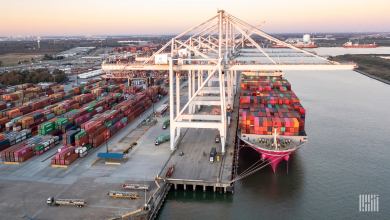
Maritime import demand for the U.S. is as strong as it has ever been, second only to the pandemic boom. What does this mean for the upcoming peak season, and how does it affect domestic transportation?
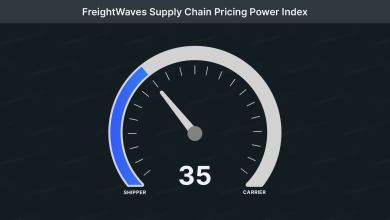
Volumes, rejection rates and spot rates remain elevated, setting the stage for the summer months.

The freight market has not turned strongly yet, but some historical patterns may help map when it will.
Volumes, rejection rates and spot rates remain elevated following the Memorial Day holiday, setting the stage for the summer months.

The industry-leading SONAR data platform announces a number of new releases and enhancements live at the Future of Supply Chain.

The June State of Freight discussion took place live at the Future of Supply Chain event in Atlanta.

The State of Freight webinar for May sees a key benchmark turn higher; is this the bottom?

The wide range of spot and contract rates being offered may help trigger a strong market shift later in the year.

Mother’s Day tightness has returned to the Florida refrigerated freight markets, but this year is different.
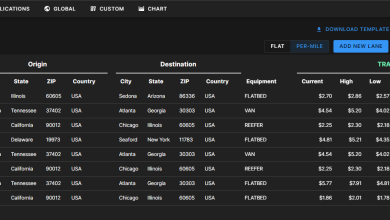
SONAR, the leader in freight market intelligence, today announces the availability of flatbed pricing data directly within the user interface of its Market Dashboard+ application.

In competitive lanes, loads shift from rail to road.

Demand pattern shifts are invisible in an oversupplied freight market, which may lead to problems once supply-and-demand conditions become more balanced.

While supply chains remain uncertain, here’s how SONAR can help freight keep the status quo.

The refrigerated truckload market has fallen back in alignment with the broader market this spring, but that doesn’t mean it will stay there.

Operating cost inflation is largely hidden, but fuel costs help explain why the domestic truckload market is headed for a turn.

Heavy truck orders are not an indicator of for-hire truckload market health and haven’t been since the pandemic ended.

Whether it is nearshoring, tariff bypasses or something else entirely, the Southern border is becoming increasingly important for domestic transportation.

FreightWaves’ State of Freight webinar for March highlighted signals that the commercial transportation market is moving in a positive direction.