





FreightWaves Staff
Thursday, June 22, 2023
FreightWaves launches Container Atlas ocean freight analytics
Users of Container Atlas can streamline their global supply chains with cutting-edge ocean freight analytics.
Users of Container Atlas can streamline their global supply chains with cutting-edge ocean freight analytics.

Underlying shifts in domestic shipping are showing up in the spot market.

Redwood Logistics and FreightWaves have partnered to unlock the SONAR freight market intelligence platform for OTM users.

There has definitely been a sustainable shift in how freight is distributed domestically.
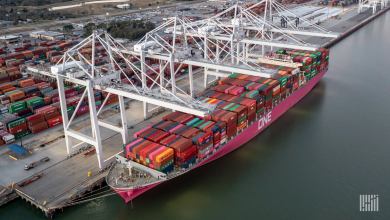
An unprecedented level of caution among importers likely to cause further declines in import volumes.
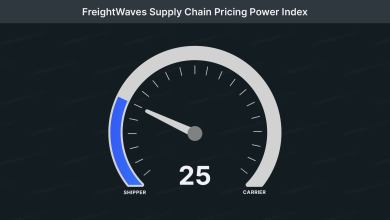
Tender rejections have yet to return to mid-May’s all-time low, but their softness could persist in a trough for the next two quarters.

The jury is still out on whether truckload demand has hit the floor.
One last round of bad news to cap this week: China and the U.S. both posted dismal data from their respective industrial economies.

Further downside risks to the U.S. economy are increasing the odds of a further decline in containerized import volumes.
In the May 2023 installment of “The State of Freight,” FreightWaves’ CEO, Craig Fuller, and Head of Freight Market Intelligence, Zach Strickland, discuss the latest industry trends and reveal that we aren’t quite out of the woods when it comes to lack of demand for capacity. While seasonal demand typically elevates during the late spring […]
Volumes did see some growth ahead of the upcoming Memorial Day holiday, though not nearly enough to bust out the champagne and sparklers.

On Wednesday, FreightWaves founder and CEO Craig Fuller sat down with Zach Strickland, FreightWaves’ head of freight market intelligence, to discuss freight market conditions and expectations.

FreightWaves’ “State of Freight” webinar suggests there will be no surge in demand for freight capacity during 2023.
So as not to bury the lede, this week’s lack of change in the PPI might ultimately prove to be the most exciting stability in quite some time.
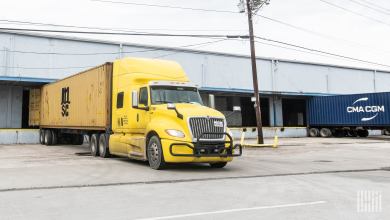
Companies are still trying to get their margins back to pre-pandemic levels with price increases on finished goods. This will continue to put freight demand at risk in the second half of the year.
Despite expectations for seasonal growth in the second quarter, the health of the American consumer has continued to become more precarious, stirring headwinds for even once-reliable sources of freight.
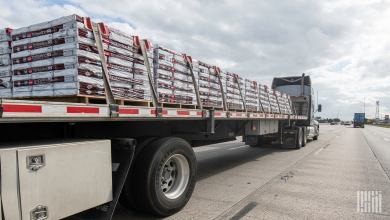
Flatbed capacity tends to be as erratic as its demand, making it harder to secure in general.

FreightWaves is giving free access to integrated SONAR data for a limited time in applications that brokers, carriers and shippers use every day.

After over a year of declining volumes and rates, trucking spot rates have leveled and demand has just witnessed an unseasonable jump.
Volumes are just beginning to tick up at the tail end of April, but freight demand in the quarter has been mostly flat and thus grossly unseasonable.