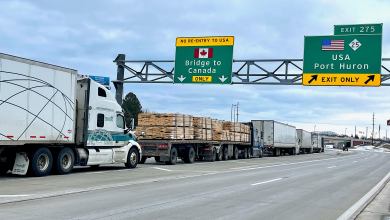
Nearshoring underscores value of North American cross-border partnerships
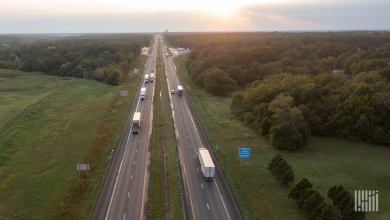
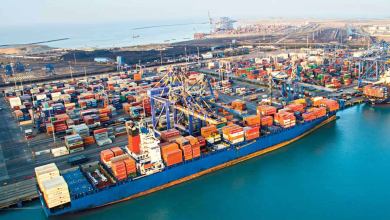
North American manufacturing and retailers have been focused on moving their operations out of China — and closer to home — over the past few years.
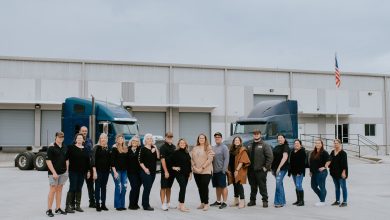
Freight broker and carrier agents at PFQ Companies — carriers Pioneer Transport, Falcon Transport, Quaker Transport and brokerage Quaker Transportation — are thriving, having built businesses able to withstand market highs and lows.
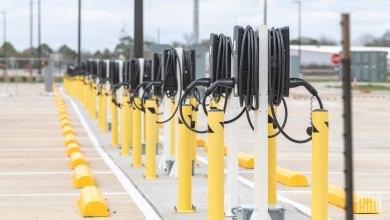
Electric vehicle manufacturing efforts have been marching south. In fact, EV manufacturing investments in the Southeast alone reached $54.6 billion in 2022 –– a 128% year-over-year increase, according to the Southern Alliance for Clean Energy.
“When you see fleets double in size in a very short period of time, typically they haven’t grown on the inside as well as the outside, and that’s a very dangerous combination,” Reliance Partners’ Brian Runnels said.
In this edition: RealCold gets its start, recycling energy and TGI Fridays adds to its lineup.
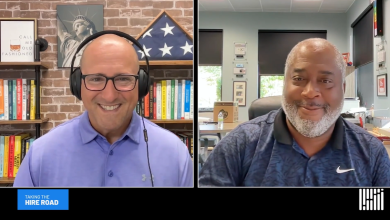
On this episode of Taking The Hire Road, Jeremy Reymer, founder of DriverReach, is joined by a great industry friend and partner, Max Farrell, co-founder and CEO of WorkHound.
The impacts of double brokering are felt by carriers and brokers alike, disrupting operations and causing financial and liability risks for everyone involved.
New technologies are hitting the market daily, and these tools are capable of improving everything from driver selection to litigation outcomes.
The logistics industry is collaborative by nature, and project44 regularly embraces partnerships to create and improve data-driven solutions for their customers. Over the past few years, Google Cloud has become one of the company’s most impactful partners.
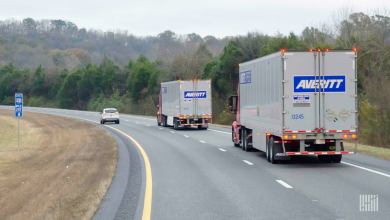
Averitt is well positioned to be a shipper’s comprehensive transportation and logistics solutions provider with a gamut of services including port drayage, distribution and fulfillment, truckload, LTL, cross-border and nearshoring logistics, and final-mile transport.
Reliance Partners brings per-load Shipper’s Interest coverage to freight brokers and carriers to their TMS, providing protection on cross-border, international, LTL and high-value shipments.
In this week’s episode of Taking The Hire Road, Jeremy Reymer, founder of DriverReach, is joined by a great industry friend, Michael Precia, the CEO and president of fleet safety and risk management system Fleetworthy Solutions.
The nature of lithium-ion batteries — and the gasses they produce while burning — make it difficult for even the most prepared fire departments to extinguish these fires.
India’s population — and its designation as the most populous country in the world — is one of its biggest advantages. The sheer number of people in India contribute to both the nation’s plentiful workforce and its huge consumer market.
While phone calls can open up lines of communication, their effectiveness at creating well-rounded, nuanced connections is limited. This is especially true when conversations revolve solely around the details of doing business.
In this episode of Taking the Hire Road, Jeremy Reymer, founder of DriverReach, is joined by a great industry friend and fellow compliance nerd, Stacey Gibson. Gibson is personnel operations manager at TLC Cos.
In addition to financial benefits, rail offers shippers a simple, well-established way to ramp up their focus on sustainability and reduce their greenhouse gas emissions.
An integration among Reliance Partners, Loadsure and McLeod lets asset-based motor carriers and freight brokers obtain A-rated all-risk cargo insurance on a per-load basis directly from their TMS.
Uber Freight Exchange is designed to unlock operational efficiencies and compress the time it takes to procure, eliminating the back-and-forth of traditional mini-bids by bringing the process onto one single tool.
Some companies have found success by taking a unique approach to the turnover problem. Those organizations are abandoning the age-old sleeper cab – or at least reducing their dependence on it.