




John Kingston
Sunday, March 22, 2020
Jax Transport turns to the oil patch and boosts its business
Combination of new drivers plus food movements means they are “doing high fives.”
Combination of new drivers plus food movements means they are “doing high fives.”
This week: US-Mexico supply chains intact despite coronavirus; border agents foil drug smuggling attempts worth $2.7 million; Port Houston reopens container terminals following positive coronavirus test; Pharr Bridge Business Park opens 100,000-square-foot distribution center.

A lawsuit, seeking class action status, was filed against TQL over its recent data breach.

Carriers and medical clinics struggle to develop protocols for drivers who have COVID-19

Store managers will get bonuses early and regardless of performance.


One of Canada’s largest transportation and logistics companies says it will temporarily lay off some employees, suspend dividend and slash executive pay as it braces for economic fallout to hit freight.

COVID-19 priorities may require “non-emergency” waiver for drivers and carriers.

Cybersecurity & Infrastructure Security Agency issues guidance on critical industries as millions of Americans ordered to stay home.
Mexico was the U.S.’s largest trading partner in 2019, with more than $614 billion in two-way trade.

For carriers with loads to haul, they now have an advantage in negotiating rates, as the weekly DHL Supply Chain Pricing Power Index has risen to 55.
BCOs handled 45% of shipments by revenue in the fourth quarter of 2019.
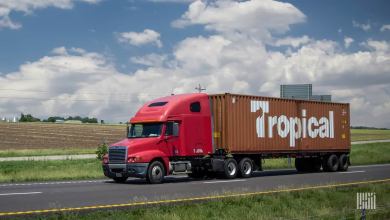
Fleet tracking and vehicle management firm PowerFleet has developed a suite of solutions that are individually tailored to provide operational visibility for firms of different sizes and capacity.

Limited food options in the new Pennsylvania opening, but better than zero.
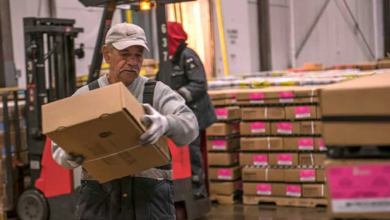
Americold Realty Trust plans to keep all 183 cold storage facilities “open for business.”
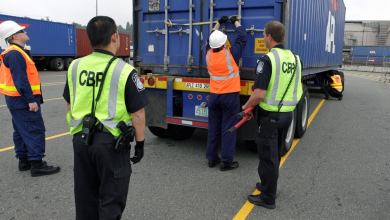
U.S. Customs and Border Protection officers at the ports of entry remain watchful of fraudulent imports that take advantage of Americans during the COVID-19 crisis.

Canadian Prime Minister Justin Trudeau reiterates that “extraordinary” restriction does not apply to cross-border trade.

As trucks try to resupply stores across the U.S. and Canada, an issue of drivers’ health insurance when in a different country has arisen. Read this article to learn more.
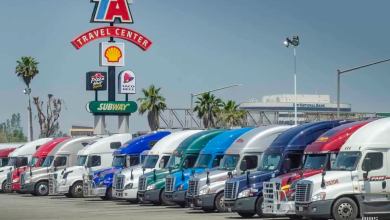
TA’s CEO says it’s a sign of supply chain “resilience.”
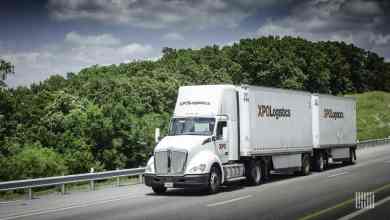
Citing a deterioration in market conditions, XPO announces that it is no longer looking to spin-off its separate business units.