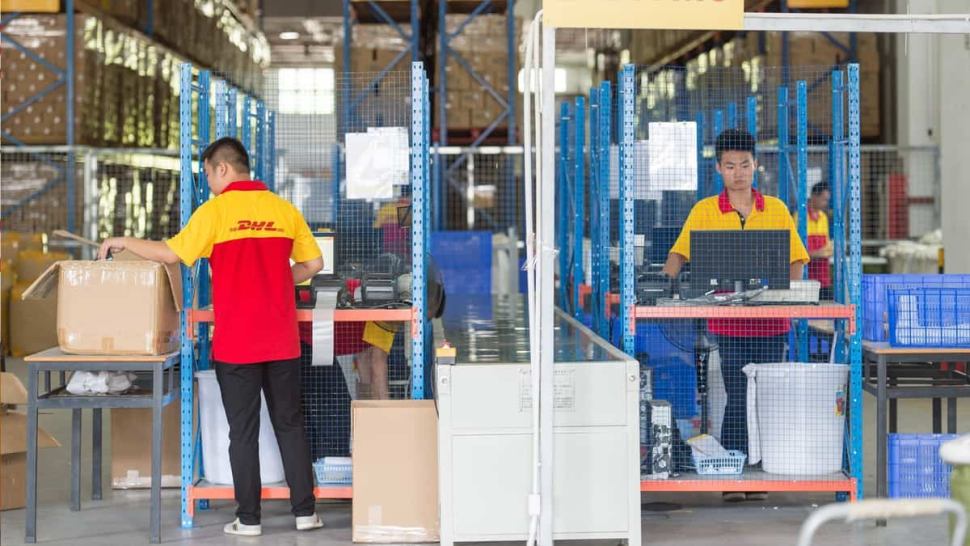
DHL eCommerce, the e-commerce unit of German transport and logistics giant Deutsche Post DHL (NASDAQ:DPSGY) disclosed its peak-season delivery surcharges for U.S. parcel shipments, with levies ranging from 20 cents to $5 per piece depending on the parcel’s size, length of haul and delivery times.
The surcharges begin on Oct. 3 and end on Christmas Day. The unit will impose a 20-cent-per-piece surcharge on all shipments weighing less than 1 pound and moving within the lower 48 states. Surcharges will rise to 30 cents for shipments moving to and from noncontiguous U.S. locations such as Alaska and Hawaii, the unit said.
The unit will impose a 29-cent surcharge on all contiguous U.S. deliveries of parcels weighing 1 to 25 pounds and with either two-to-three-day or two-to-five-day delivery windows. The surcharges will rise to between 75 cents and $5 per piece for service to noncontiguous locations depending on the specific weight breaks.
The DHL unit, which doesn’t operate its own delivery equipment and uses the U.S. Postal Service as its exclusive last-mile partner, will also impose surcharges on two Postal Service products. One surcharge will be 30 cents per piece on all deliveries of first-class mail parcels. separately, surcharges on the Postal Service’s Priority Mail two-to-three-day delivery service will range from 25 cents up to $5 per piece. The higher end will apply to parcels weighing 21 to 70 pounds and delivered 600 miles or more.
Returns surcharges will range from 45 cents to $1 per piece depending on the returns product that is selected, the unit said.
The DHL unit circulated the information only among its network of customers. Intelligent Audit, a parcel auditing firm, released the correspondence externally several days after DHL eCommerce disclosed it on Sept. 1.
DHL eCommerce does not operate its own equipment.
Brokerage Compliance Symposium
The day before F3. Every compliance issue you face - fraud exposure, carrier liability, FMCSA rules, cargo theft, insurance gaps - navigated by attorneys and operators defining best practices in a changing industry.
F3 Awards Dinner
The night before F3. FreightTech100 companies honored. FreightTech 25 and Shipper of Choice winners revealed live. Cocktail reception into dinner and live music - 300 industry leaders in one purpose-built room.
F3: Future of Freight Festival
Industry-defining keynotes, rapid-fire technology demos, and industry leaders networking in experiences across Chattanooga - plus the inaugural F3 Awards Dinner featuring the FreightTech and Shipper of Choice reveals.
The day before F3. Every compliance issue you face - fraud exposure, carrier liability, FMCSA rules, cargo theft, insurance gaps - navigated by attorneys and operators defining best practices in a changing industry.
The Signal at Chattanooga Choo Choo • Chattanooga, TN Register NowThe night before F3. FreightTech100 companies honored. FreightTech 25 and Shipper of Choice winners revealed live. Cocktail reception into dinner and live music - 300 industry leaders in one purpose-built room.
The Signal at Chattanooga Choo Choo • Chattanooga, TN Register NowIndustry-defining keynotes, rapid-fire technology demos, and industry leaders networking in experiences across Chattanooga - plus the inaugural F3 Awards Dinner featuring the FreightTech and Shipper of Choice reveals.
The Signal at Chattanooga Choo Choo • Chattanooga, TN Register Now