COVID-19 has faded in importance for much of the nation. That also seems to go for a good-sized number of U.S.-based small to midsize businesses.
A survey of more than 4,000 of those businesses, commonly known by the acronym SMB, found that only 12% consider the pandemic to be their biggest business challenge for the rest of 2022. That was compared with 29% polled at the same time in 2021.
About 61% of respondents in the current survey said that supply chain delays would be their biggest challenge for the balance of the year. That was followed by labor shortages at 19%.
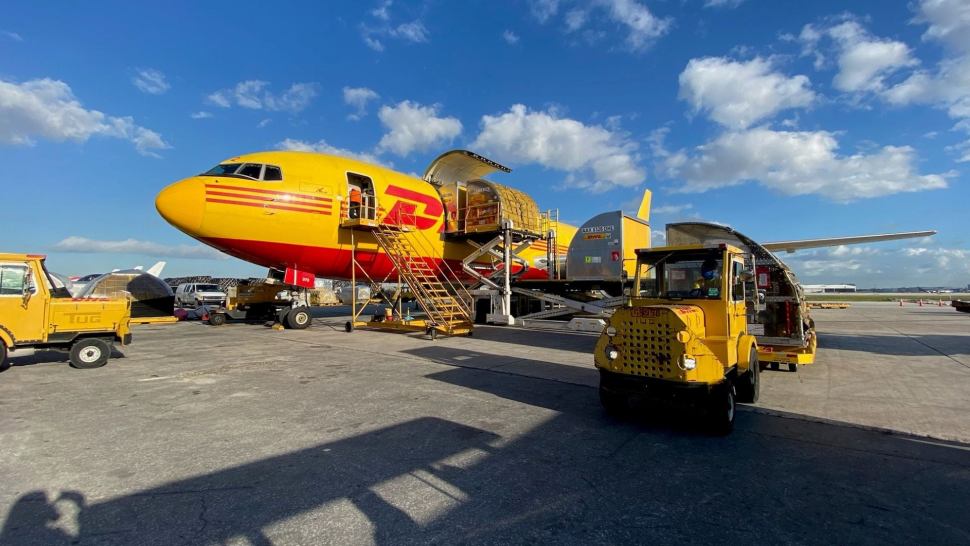
The survey, made public last Thursday, was conducted by DHL Express, the international air express unit of Deutsche Post DHL (OTCUS: DPSGY). The respondents were businesses that ship internationally or are strongly considering it. About one-third of the respondents currently use DHL’s services in one form or another.
Of the 61% of respondents citing supply chain delays as their biggest challenge — which was up from 54% in 2021 — rising costs were the biggest concern. That was followed by issues with product availability and then customs compliance difficulties.
Due to these concerns, 65% of respondents said they have begun planning for peak shipping season earlier than normal. About one-third of those respondents said they were planning for peak season one to three months ahead of what their schedules would be in years without disruptions. About 23% said they were planning four to seven months ahead of their normal schedules.
About 38% of respondents said they don’t expect their operations to be challenged by the tight labor market, compared with 50% in 2021. Those pinched by the lack of available labor are trying to remedy the problem with better perks and bonuses. A smaller subgroup was investing in robotics, while others were shifting to e-commerce and away from a brick-and-mortar presence.
About one-quarter of respondents said that rising inflation has resulted in a reduction of international sales. About 58% were either not affected by the issue or their international sales prospects remained unchanged.
About 42% said they would never accept digital currencies as a form of payment. About 24% said they started to do so this year or plan to do so by year’s end. About 23% said digital currency acceptance would happen in the next two to five years, while 11% said they already accept some form of digital currency.
Brokerage Compliance Symposium
The day before F3. Every compliance issue you face - fraud exposure, carrier liability, FMCSA rules, cargo theft, insurance gaps - navigated by attorneys and operators defining best practices in a changing industry.
F3 Awards Dinner
The night before F3. FreightTech100 companies honored. FreightTech 25 and Shipper of Choice winners revealed live. Cocktail reception into dinner and live music - 300 industry leaders in one purpose-built room.
F3: Future of Freight Festival
Industry-defining keynotes, rapid-fire technology demos, and industry leaders networking in experiences across Chattanooga - plus the inaugural F3 Awards Dinner featuring the FreightTech and Shipper of Choice reveals.
The day before F3. Every compliance issue you face - fraud exposure, carrier liability, FMCSA rules, cargo theft, insurance gaps - navigated by attorneys and operators defining best practices in a changing industry.
The Signal at Chattanooga Choo Choo • Chattanooga, TN Register NowThe night before F3. FreightTech100 companies honored. FreightTech 25 and Shipper of Choice winners revealed live. Cocktail reception into dinner and live music - 300 industry leaders in one purpose-built room.
The Signal at Chattanooga Choo Choo • Chattanooga, TN Register NowIndustry-defining keynotes, rapid-fire technology demos, and industry leaders networking in experiences across Chattanooga - plus the inaugural F3 Awards Dinner featuring the FreightTech and Shipper of Choice reveals.
The Signal at Chattanooga Choo Choo • Chattanooga, TN Register Now