Port infrastructure and drayage optimization
The drayage sector is experiencing a significant shift as coastal ports undergo major infrastructure expansions.
Bo Bates, CEO of the Evans Network of Companies, said that optimizing chassis pools and accelerating gate-turn times are critical to maintaining fluid East Coast supply chains.
During Monday’s live show of FreightWaves Today, Bates said carriers must leverage predictive container-tracking metrics to prevent costly port demurrage fees before cargo ever hits the terminal floor.
Midwest logistics innovations
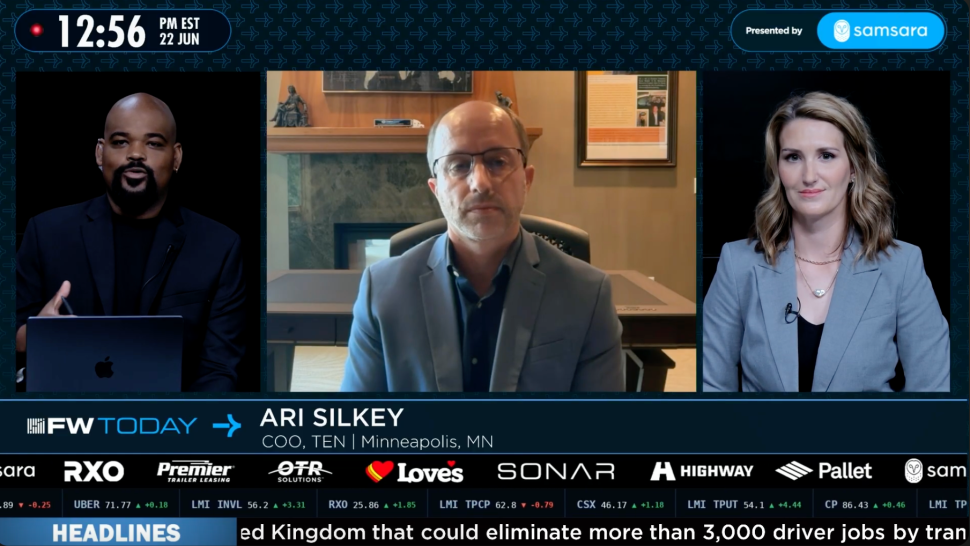
Ari Silkey, chief operating officer at Transportation Equipment Network, discussed how midwestern shippers are restructuring their regional distribution networks.
Silkey explained that modern logistics platforms must prioritize real-time asset visibility to combat unpredictable weather patterns and shifting rail schedules.
By integrating high-velocity data points directly into route-planning software, carriers can optimize cross-docking operations and maintain reliable service levels throughout the region.
Integrating domestic tech
Steam Logistics CEO Jason Provonsha highlighted the pressing need for seamless technology integrations between domestic freight brokers and independent owner-operators.
He pointed out that manual booking processes are rapidly being replaced by automated, API-driven tendering pipelines.
This technological transition not only drives down administrative costs but also allows smaller trucking fleets to instantly access high-quality spot market freight.
Collaborative capacity sourcing
Fura CEO Jeff D’Angelo outlined the advantages of collaborative capacity networks for mid-sized shippers.
D’Angelo said that co-loading and shared freight lane strategies are essential tools for combating the industry’s persistent, volatile margin pressures.
By pooling shipment volume across non-competing businesses, shippers can secure reliable contract rates and build stronger, long-term carrier partnerships.
Keep up with the latest news on FreightWaves Today
FreightWaves Today livestreams weekdays at noon ET at https://tv.freightwaves.com/.