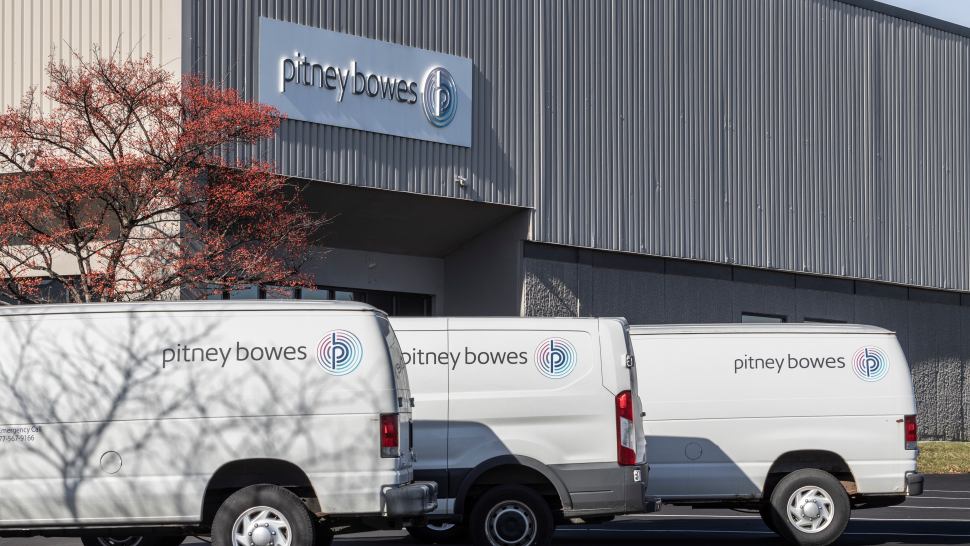
Pitney Bowes CEO Marc Lautenbach continues in his job despite the election of four director candidates proposed by Hestia Capital Management to its board.
Shareholders voted at the Pitney Bowes Inc. annual meeting Tuesday to approve four of the board candidates proposed by the investment firm. However, longtime IT executive Lance Rosenzweig, Hestia’s choice to replace Lautenbach, did not make it on the board.
Elected were Hestia founder Kurt Wolf, Milena Alberti-Perez, Todd Everett and Katie May. Lautenbach, Pitney Bowes’ CEO (NYSE: PBI) since 2012, was reelected to the board.
Hestia and Stamford, Connecticut-headquartered Pitney Bowes have been warring for several months. Hestia, which owns 9.1% of Pitney Bowes, wanted five new members on the nine-member Pitney Bowes board, which the company said it would oppose.
Hestia, based in Mars, Pennsylvania, also wanted to oust Lautenbach, who its says bears much of the blame for the iconic mail and package processing company’s ongoing issues and sagging share price over the decades.
In a three-page shareholder letter last month, Rosenzweig said the company needs to “make immediate changes” in its capital structure with $1.7 billion in debt maturing over the next six years putting pressure on the share price and dividend.
The company also needs to reduce administrative costs, which currently exceed $200 million a year, especially since the company’s market cap is less than $675 million, he said.
Another main point from Rosenzweig’s letter was to restore Pitney Bowes’ global e-commerce business to profitable growth. In fiscal year 2022, the unit reported $100 million in negative earnings before interest and taxes.
In a statement Tuesday, Wolf said that “now that the election contest is over, all of our time can be devoted to strengthening the company. Our slate believes it has been given a mandate for constructive, positive change — and we look forward to working with our fellow directors to deliver on that mandate over the near term and long term.”
Brokerage Compliance Symposium
The day before F3. Every compliance issue you face - fraud exposure, carrier liability, FMCSA rules, cargo theft, insurance gaps - navigated by attorneys and operators defining best practices in a changing industry.
F3 Awards Dinner
The night before F3. FreightTech100 companies honored. FreightTech 25 and Shipper of Choice winners revealed live. Cocktail reception into dinner and live music - 300 industry leaders in one purpose-built room.
F3: Future of Freight Festival
Industry-defining keynotes, rapid-fire technology demos, and industry leaders networking in experiences across Chattanooga - plus the inaugural F3 Awards Dinner featuring the FreightTech and Shipper of Choice reveals.
The day before F3. Every compliance issue you face - fraud exposure, carrier liability, FMCSA rules, cargo theft, insurance gaps - navigated by attorneys and operators defining best practices in a changing industry.
The Signal at Chattanooga Choo Choo • Chattanooga, TN Register NowThe night before F3. FreightTech100 companies honored. FreightTech 25 and Shipper of Choice winners revealed live. Cocktail reception into dinner and live music - 300 industry leaders in one purpose-built room.
The Signal at Chattanooga Choo Choo • Chattanooga, TN Register NowIndustry-defining keynotes, rapid-fire technology demos, and industry leaders networking in experiences across Chattanooga - plus the inaugural F3 Awards Dinner featuring the FreightTech and Shipper of Choice reveals.
The Signal at Chattanooga Choo Choo • Chattanooga, TN Register Now