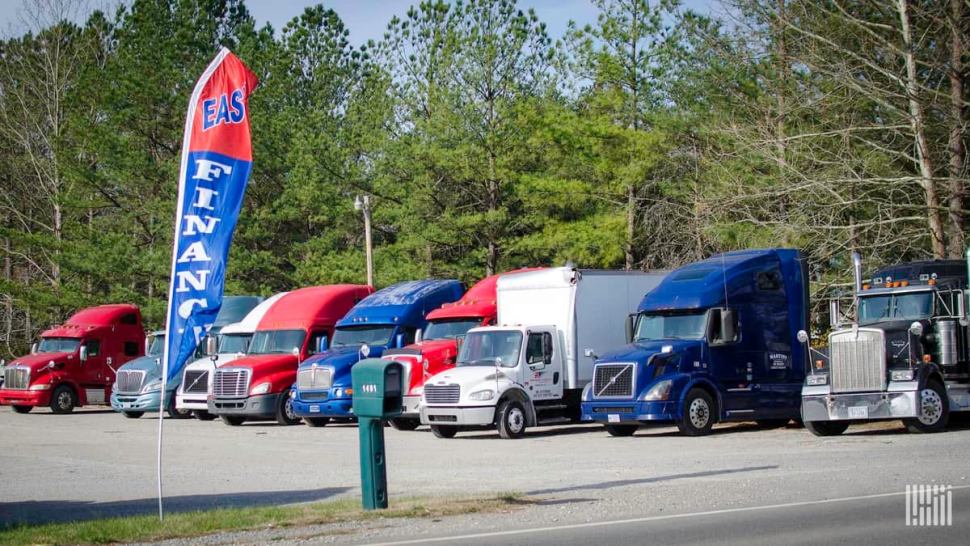
Cash flow can make or break a trucking business. Freight factoring has emerged as a financial lifeline for carriers of all sizes, offering a way to turn invoices into immediate working capital. By selling outstanding invoices to a factoring company, carriers are paid quickly, often within twenty-four hours, rather than waiting weeks or even months for brokers or shippers to process payments. For businesses that live and die by predictable cash flow, the impact of factoring reaches far beyond the speed of payment.
At its core, freight factoring is about stability. Instead of worrying about whether a customer will pay on time, carriers can count on consistent funding that adapts to the rhythm of their business. Factoring scales naturally: as a carrier hauls more loads, more capital becomes available. This flexibility helps carriers grow without being tethered to traditional credit lines or weighed down by debt. Unlike loans, factoring does not appear on a balance sheet as a liability, making it easier to forecast expenses and plan strategically.
Another advantage is freedom from restrictive agreements. Many factoring providers no longer require long-term commitments, instead offering month-to-month arrangements that remove the burden of hidden origination, monthly, or termination fees.
This flexibility ensures that factoring can be used as a tool when needed, rather than a permanent fixture. For carriers looking to expand capacity or hire additional drivers, that freedom matters. Having steady, predictable cash on hand makes it easier to seize new opportunities without hesitation.
Operational efficiency is another important, though sometimes overlooked, outcome of freight factoring. Carriers often spend valuable time chasing down invoices, making follow-up calls, and handling collections.
Factoring companies take on that work, leaving drivers and small fleet operators free to focus on moving freight instead of managing paperwork. Many providers also conduct free credit checks on potential customers, helping carriers avoid working with unreliable partners. In some cases, factoring even offers protection against bad debt: under non-recourse agreements, the factoring company absorbs the risk if a broker defaults or files for bankruptcy.
Uncertainty around cash flow is one of the biggest sources of stress for small business owners in transportation. Factoring eliminates that anxiety and provides a foundation of reliability, which in turn allows carriers to think bigger. Growth strategies, from upgrading equipment to onboarding new drivers, become more achievable when financing is predictable and risk is minimized.
Ultimately, freight factoring is about shifting focus from survival to growth. For carriers competing in a volatile freight market, the ability to stabilize finances, streamline operations, and protect against risk is invaluable.
By turning unpaid invoices into immediate capital, carriers gain the breathing room they need to take on more loads, operate with confidence, and plan for the future. In doing so, factoring becomes not just a financial tool but a strategic advantage within the broader supply chain.
Brokerage Compliance Symposium
The day before F3. Every compliance issue you face - fraud exposure, carrier liability, FMCSA rules, cargo theft, insurance gaps - navigated by attorneys and operators defining best practices in a changing industry.
F3 Awards Dinner
The night before F3. FreightTech100 companies honored. FreightTech 25 and Shipper of Choice winners revealed live. Cocktail reception into dinner and live music - 300 industry leaders in one purpose-built room.
F3: Future of Freight Festival
Industry-defining keynotes, rapid-fire technology demos, and industry leaders networking in experiences across Chattanooga - plus the inaugural F3 Awards Dinner featuring the FreightTech and Shipper of Choice reveals.
The day before F3. Every compliance issue you face - fraud exposure, carrier liability, FMCSA rules, cargo theft, insurance gaps - navigated by attorneys and operators defining best practices in a changing industry.
The Signal at Chattanooga Choo Choo • Chattanooga, TN Register NowThe night before F3. FreightTech100 companies honored. FreightTech 25 and Shipper of Choice winners revealed live. Cocktail reception into dinner and live music - 300 industry leaders in one purpose-built room.
The Signal at Chattanooga Choo Choo • Chattanooga, TN Register NowIndustry-defining keynotes, rapid-fire technology demos, and industry leaders networking in experiences across Chattanooga - plus the inaugural F3 Awards Dinner featuring the FreightTech and Shipper of Choice reveals.
The Signal at Chattanooga Choo Choo • Chattanooga, TN Register Now