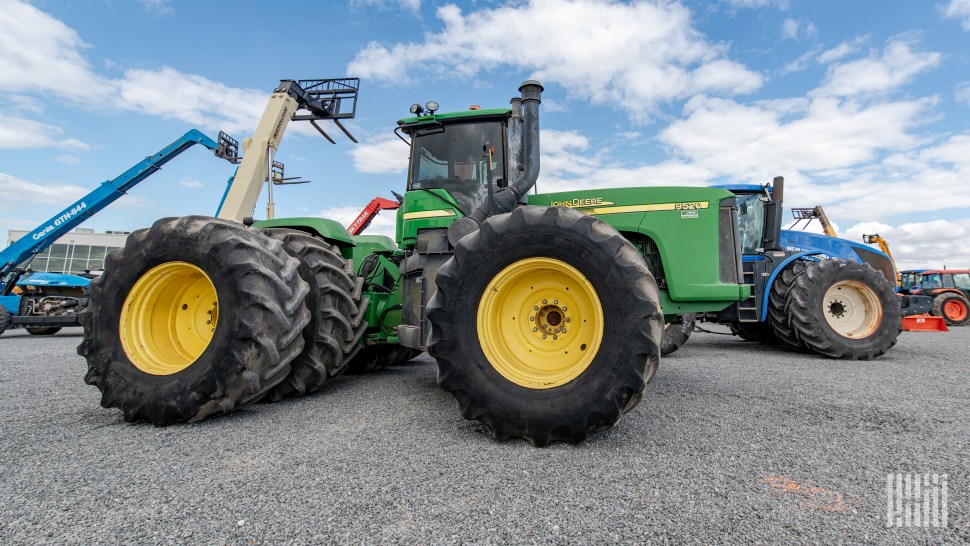
Every fall, there is a peak season that hits with fury before the traditional retail peak season. The Midwest transforms as combines sweep across golden fields and trucks line country roads waiting for the corn harvest to finish. For farmers, it’s the culmination of a season’s work. For carriers and drivers, it’s the start of one of the most intense and potentially most lucrative stretches of the year.
Join the leaders shaping freight’s future at
F3: Future of Freight Festival, Oct 21-22.
Network with the industry’s best and discover what’s next.
Harvest season doesn’t just create freight; it reshapes the entire network of routes, regulations, and opportunities across the Corn Belt.
The scale of movement is staggering. The USDA projects U.S. corn production at 15.1 billion bushels for the 2024–25 season, harvested from nearly 82.7 million acres nationwide. Iowa and Illinois alone account for more than 30 percent of that total, with Iowa producing close to 16%–18% and Illinois about 15%–16%. Nebraska, Minnesota, and Indiana round out the top five, helping the Corn Belt contribute nearly 80% of the nation’s crop. Every one of those bushels has to move, often within a compressed time frame, creating a massive spike in freight demand each fall.
Timing is everything. Southern Corn Belt states typically begin harvest in late August, while northern states don’t hit peak until mid-October. The weather can compress or extend those windows. A late frost or prolonged rains can delay cutting and force a surge of product to move all at once. For carriers, that urgency often translates into premium pricing. Spot rates in these regions have historically spiked well above seasonal averages during peak weeks, rewarding drivers and fleets that position themselves ahead of the rush.
Routes also matter. Interstates like I-80 and I-35 become vital corridors, funneling trucks between high-production counties and major distribution hubs. Yet, secondary rural roads can present challenges narrow lanes, dust, and congestion at local grain elevators.
Regulations come into sharper focus this time of year. The FMCSA agricultural commodity exemption under 49 CFR 395.1(k)(1) allows drivers hauling crops to operate outside normal hours-of-service restrictions within a 150 air-mile radius of the “source,” which can be the farm, field, or even a grain elevator if the commodity is still unprocessed. Time spent inside that radius, whether loaded or empty, does not count against HOS limits. Once trucks leave the 150-mile zone, standard rules apply.
These industry nuances can make the difference between maximizing revenue and racking up violations.
Equipment readiness is another differentiator. Grain loads often move in hopper trailers, and rural roads can put added strain on tires, suspensions, and cooling systems. Preventative maintenance is crucial. Belts, hoses, and tires should be inspected closely, and drivers are well advised to carry emergency kits tailored for remote stretches where roadside assistance may be scarce.
A breakdown in the middle of harvest not only means downtime but can also cost a driver the chance to secure some of the year’s highest-paying freight.
Costs can mount quickly. Fuel prices are notoriously volatile in the fall, and heavy grain hauls drive up consumption. Delays from weather or long elevator wait times can add to the bill. Many carriers negotiate fuel surcharges or rely on transportation management systems and digital load boards to ensure every mile counts. Technology helps drivers identify the most profitable lanes, time their arrivals to avoid bottlenecks, and keep utilization high throughout the season.
The payoff, however, can be significant. Carriers that arrive in high-production zones like central Illinois or eastern Nebraska just before peak harvest may find weeks of steady, high-margin loads. Even after the combines stop rolling, stored grain continues moving to processors, ethanol plants, and export terminals, creating opportunities well into the winter months for those who stay in market.
One of the more significant challenges this year is are global market shifts from export demand to biofuel policy changes. These decisions can alter volumes and rates with little warning.
Harvest season remains one of the industry’s most profitable cycles. Success depends on understanding the geography of production, leveraging regulatory exemptions wisely, keeping equipment road-ready, and negotiating rates that reflect the true costs of operation.
As the combines roll across those 82 million acres, one thing is certain: when the harvest comes in, the trucks must roll.
Brokerage Compliance Symposium
The day before F3. Every compliance issue you face - fraud exposure, carrier liability, FMCSA rules, cargo theft, insurance gaps - navigated by attorneys and operators defining best practices in a changing industry.
F3 Awards Dinner
The night before F3. FreightTech100 companies honored. FreightTech 25 and Shipper of Choice winners revealed live. Cocktail reception into dinner and live music - 300 industry leaders in one purpose-built room.
F3: Future of Freight Festival
Industry-defining keynotes, rapid-fire technology demos, and industry leaders networking in experiences across Chattanooga - plus the inaugural F3 Awards Dinner featuring the FreightTech and Shipper of Choice reveals.
The day before F3. Every compliance issue you face - fraud exposure, carrier liability, FMCSA rules, cargo theft, insurance gaps - navigated by attorneys and operators defining best practices in a changing industry.
The Signal at Chattanooga Choo Choo • Chattanooga, TN Register NowThe night before F3. FreightTech100 companies honored. FreightTech 25 and Shipper of Choice winners revealed live. Cocktail reception into dinner and live music - 300 industry leaders in one purpose-built room.
The Signal at Chattanooga Choo Choo • Chattanooga, TN Register NowIndustry-defining keynotes, rapid-fire technology demos, and industry leaders networking in experiences across Chattanooga - plus the inaugural F3 Awards Dinner featuring the FreightTech and Shipper of Choice reveals.
The Signal at Chattanooga Choo Choo • Chattanooga, TN Register Now