Container shipping outlook 2024: Rising risk of delays, disruptions

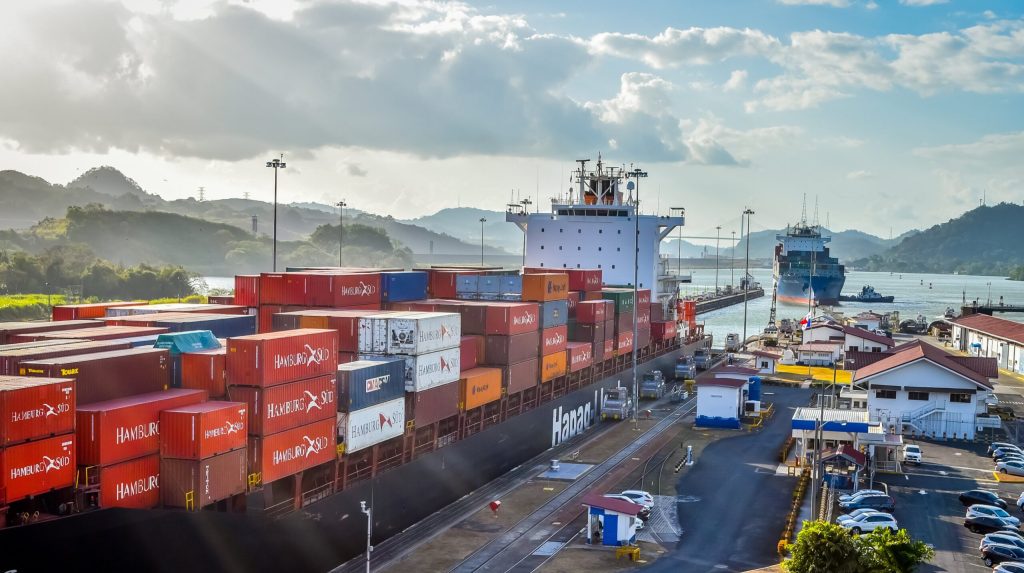
a photo of container shipping in Panama Canal

The supply chain crisis is long over, but America’s importers still have a lot to keep them up at night as they plan for 2024.  

Two key container shipping “chokepoints” — the Panama Canal and the Bab-el-Mandeb Strait in the Red Sea — are simultaneously under threat. Container-line financials are under severe pressure, forcing ever more vessel sailings to be canceled. The dockworkers union serving East and Gulf Coast ports is threatening to strike next October. While freight rates are low, concerns over delays in import shipments are high.  

For an overview of the disruption risks in the year ahead, and advice on how U.S. importers can mitigate those threats, FreightWaves spoke in-depth with Nerijus Poskus, global head of ocean procurement for freight forwarder and supply chain logistics platform Flexport.

This question-and-answer interview was edited for clarity and length.

Panama Canal fallout

FREIGHTWAVES: The Panama Canal crisis is getting worse. We’ve just seen two of the three global alliances abruptly shift their Asia-East Coast services from the Panama Canal to the Suez Canal. How does this impact U.S. importers in terms of transit time and cost?

POSKUS: It increases the pro-forma transit times by an average of roughly seven days, depending on the loading port. I emphasize “pro forma,” because if you look at actual transit times with expected delays through Panama, are there actually any delays going through the Suez instead?

There has historically been almost no difference in pricing between the Panama and Suez canals. Now, Panama Canal costs are going up a lot, which is why we see shipping lines announcing Panama Canal surcharges of roughly $300 per forty-foot equivalent unit.

So, some importers may actually prefer the Suez, even though it takes around seven days longer, because there’s no surcharge. This raises the question: Can the Panama Canal keep the market share [it hasn’t already lost]?

FREIGHTWAVES: Another possibility is that importers may opt to avert both canals and just shift back to West Coast ports.

POSKUS: I think 2024 is going to be a year of the West Coast gaining back market share, although I think it will be temporary. Longer term, I think the trend toward East and Gulf Coast ports will continue, because more consumers are on the East Coast, and because cargo is continuously shifting toward Southeast Asia, and especially, India. And India is best served, by far, by services to the East Coast.

But next year, it’s inevitable that some share will temporarily shift back to the West Coast.

It’s not just about the Panama Canal. With the Suez Canal, there have been attacks on ships in the Red Sea, and on top of that, we have the ILA contract expiring at the end of next September [The International Longshoremen’s Association contract for East and Gulf Coast dockworkers].

FREIGHTWAVES: The ILA has specifically warned that it will strike on Oct. 1, 2024, if its demands aren’t met. Are importers already worried?

POSKUS: Definitely. People are very aware of what may happen and the language of Mr. Daggett [ILA President Harold Daggett] has been pretty harsh. Even if a strike shuts down ports for a couple of days, it will be a big disruption.

Suez Canal or Cape of Good Hope?

FREIGHTWAVES: Regarding security issues for Suez transits, there have been attacks by Yemen’s Houthi militia targeting Israel-linked ships at the Bab-el-Mandeb Strait — and we’ve already seen spillover to non-Israeli ships, with an OOCL container vessel mistakenly attacked on Sunday.

Some container ships are already taking the long way around Africa’s Cape of Good Hope. It’s very easy to see how this could escalate and become a much more serious threat to shipping, which would force a lot more container vessels around the Cape. How might this escalation scenario play out for container shipping? This would affect not just trans-Pacific services rerouted from Panama through the Suez, but also the entire Asia-Europe trade.

POSKUS: Trans-Pacific imports going around Africa would add another 10 to 14 days versus the Suez route, which was already another seven days longer versus the Panama Canal. So, the first effect would be that carriers would have to have 30-40% more vessels [in trans-Pacific rotations] just to continue weekly services. There is a lot of new capacity coming online, but if carriers need 30-40% more vessels to serve the East Coast, then all of a sudden, there may be a capacity crunch. That’s definitely something to watch.

The West Coast has limitations too. You can’t just shift everything to the West Coast. The ports would be completely full, and all of a sudden, West Coast pricing would surge. Then, at some price point, importers would decide: I’m not paying that. I’d rather wait 20 days for a sailing via the Cape of Good Hope.

Risks from canceled sailings

FREIGHTWAVES: This scenario of the historic drought in Panama coinciding with an escalation in the Red Sea that forces most container ships to take the Cape route, causing freight rates to surge, is still very hypothetical. The overwhelming consensus is that freight rates are going to be weak throughout 2024, possibly through 2025. The consensus is that the concern for shippers next year is about service reliability, not high freight costs. Is that what you’re hearing from importers?

POSKUS: Yes, the worry is much more about delays and disruptions. Importers still think that overcapacity will result in low rates. I wouldn’t be so sure. I’m not predicting that rates are going up, but it’s not 100% [guaranteed] that rates are completely going to collapse next year. All it takes is one Black Swan event and we’re back to big rate increases.

FREIGHTWAVES: Let’s assume there isn’t one, and rates stay low through 2024 and 2025. Doesn’t that imply that there will be even more “blankings” [canceled sailings] and other service reductions by carriers to mitigate their variable operating costs, thus import schedule reliability gets worse. Isn’t that the price shippers will pay for cheap rates?

POSKUS: I would predict exactly that. With all the blank sailings, delays are already pretty bad and I suspect it may get worse in 2024. This is the reason you are seeing shipping lines like Zim [NYSE: ZIM] launch premium [expedited] services. I think more carriers will follow. Some would say: Are you out of your mind? Why would you launch an expensive premium service in a market like this? The reason is that importers are looking for stability and they’re willing to pay for it.

Spot versus contracts

FREIGHTWAVES: If you look at what happens during major downcycles in bulk commodity shipping charter markets, the downcycles drive business away from term contracts and toward the spot market. Tanker and bulker owners would rather take their chances in the spot market than lock in depressed charter rates. They don’t want to miss the opportunity of capturing a rebound in rates due to some unexpected change in the market.

Similarly, in the container shipping freight market, we saw Zim put 70% of its trans-Pacific business on spot this year, up from the usual 50%, because it refused to sign annual contracts at loss-making levels. Hapag-Lloyd’s CEO said his company would refuse to sign contracts that locked in annual losses. A DHL executive said during a presentation on Tuesday that he saw ocean carriers refusing to offer below-cost Asia-Europe contract rates during the current bid season.

Do you think container shipping will follow the pattern of bulk commodity shipping and trend more toward spot if this is, as expected, an extended downturn?

POSKUS: I believe it will be more of a mixed bag in container shipping. One reason is that fixed-rate contracts in container shipping are typically subject to peak season surcharges, so if the market does recover, carriers can increase rates, not to the level of the spot market, but closer to the spot market.

We do see carriers offering fixed contracts at rates above the spot market and importers unwilling to sign at those rates because that’s not where they see the market going. They see the market deteriorating further. It’s too early to say what will happen. Shipping lines might bring contract rates down a bit more because, if need be, they can implement some of those peak season surcharges.

The other issue is that a big portion of the market is already on spot. During COVID, nearly everything was in the spot market, and in 2023, there is still more on spot than there was pre-pandemic. A lot of shippers are expressing interest in fixed rates for 2024, because they now believe we’re at the point where rates are fair — but again, the shipping lines don’t think those rates are fair.

This is exactly why I believe some shipping lines are now more interested in index-linked contracts. It gives them some sort of stability while it gives importers peace of mind that if rates continue dropping, they’re going to get a good rate.

Mitigating 2024 risks

FREIGHTWAVES: So, to sum up, it sounds like the biggest focus next year for importers is on mitigating risks from service disruptions. We’ve got the Panama Canal situation. Attacks on ships in the Red Sea. The threat of a port strike at East and Gulf Coast ports. Then there’s the whole China situation and the U.S. presidential election and the possibility that the next president could be much more confrontational with China. What should U.S. importers be doing to mitigate all of these risks?

POSKUS: With China, it’s difficult to move away, because it accounts for such a big portion of U.S. imports. But I do see more volume shifting to Southeast Asia and India. Look at the new ONE [Ocean Network Express] service from India to the U.S. East Coast, which is not [in cooperation] with any other line. ONE is certain it can fill a whole ship every single week from India to the East Coast on top of what’s already running from India, which gives you a hint that the shift is happening and that at least some shipping lines expect the shift to accelerate.

[To mitigate disruption risks in general] importers should consider premium services. When you have all of these delays, premium services give you stability.

They should also consider putting a significant portion of volume on the spot market or index-linked contracts, because it gives you more optionality.

With index-linked contracts, if the shipping line thinks the market is “x” and you think it is “x minus 20%,” you don’t have to argue. The market will decide.

When disruptions happen and you’re on spot, you can change carriers, routes, whether you go to the West Coast, East Coast or Gulf Coast. You can shift to premium service when you need to, then back to regular service — although the risk is that if the market rises significantly, you will pay more.

If there are blank sailings or a ship shifts from the Suez to the Cape of Good Hope and the transit time is unfavorable to you, you can pivot. At the end of the day, if you pay a fair price, you will get the capacity.

Click for more articles by Greg Miller 

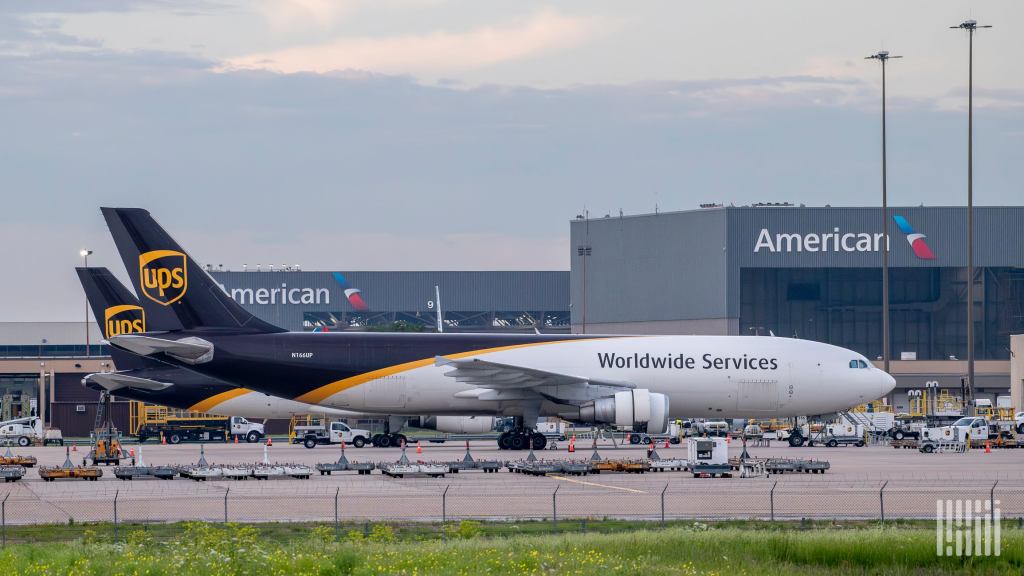
Teamsters warn of strike against UPS in Louisville

Teamsters union General President Sean O’ Brien warned UPS Inc. (NYSE: UPS) Thursday that it will strike the company’s Louisville, Kentucky, operations over the company’s alleged firing Thursday of 35 so-called specialist and administrative employees who joined the Teamsters in the fall. 

In a statement, O’Brien said that UPS has until Monday to rectify the situation or else the union will take action. He didn’t specify a resolution, and a Teamster spokesperson wasn’t immediately available to comment.

According to O’Brien, the 35 UPS employees at the company’s Centennial ground hub joined Local 89, one of the largest Teamsters locals representing UPS workers. O’Brien said UPS falsely claimed that management could perform the employees’ work. Local 89 is in the process of filing unfair labor practice charges against UPS over the alleged action.

UPS was also not immediately available to comment.

Local 89 represents more than 2,000 workers at the Centennial hub and more than 12,000 Teamsters at its primary air hub, known as Worldport, in Louisville.

Currently, more than 1,100 Teamsters are engaged in an unfair-labor-practice strike against UPS competitor DHL Express in Covington, Kentucky, the site of the DHL air unit’s U.S. hub.

Yellow shoots down going concern bid to revive company

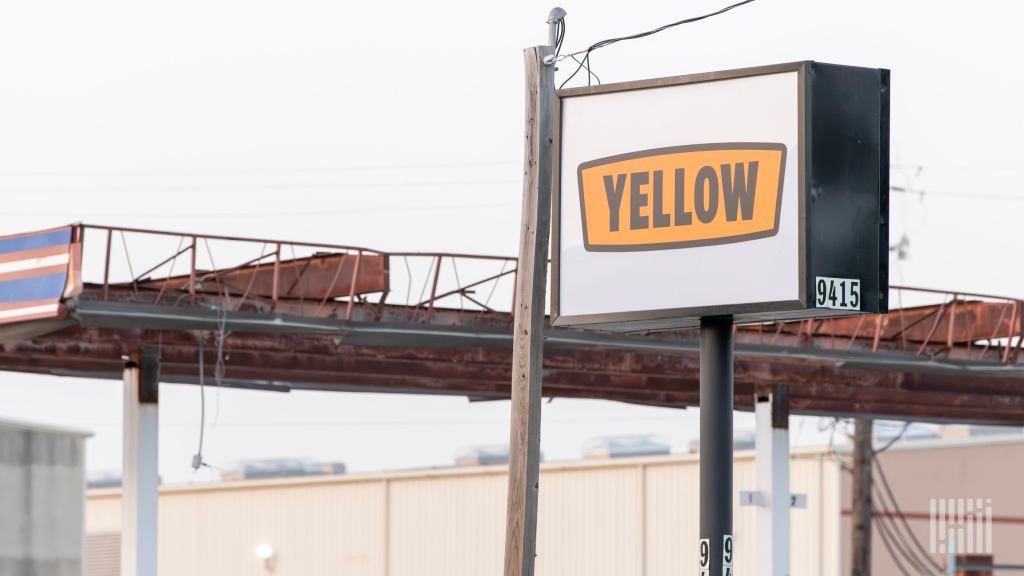
A Yellow sign outside of a terminal in Houston

Yellow Corp. has rejected an offer that would allow it to emerge from bankruptcy and restart operations, The Wall Street Journal is reporting.

A going concern bid led by Sarah Amico, executive chair at Jack Cooper Transport, was reported to be rebuffed late Wednesday in favor of the current liquidation process that appears likely to more than satisfy amounts owed to secured creditors.

The Amico offer was reported to include $1.1 billion in new financing, the issuance of $1.5 billion in preferred equity and the assumption of a more than $700 million Covid-relief loan from the Treasury. Part of the deal structure, however, would require Treasury to extend the maturity date of the loan by two years to September 2026.

The deal likely failed to garner support from Treasury and unsecured creditors, which included pension funds.

It appeared to be a failed venture from the start. The revived company would have been just a portion of its original size but with a larger debt burden. Further, there likely wasn’t ample capital to fund a successful restart. The best operators in the space have said it can take months for a new terminal to break even after opening. Also, Yellow’s freight was absorbed by other carriers in short order, potentially leaving it to compete via price to win customers back, which it has already proved to be a losing endeavor.

A second-quarter filing with the Securities and Exchange Commission showed Yellow’s pension withdrawal liabilities were greater than $6.5 billion. However, bankruptcy experts have told FreightWaves those amounts would likely be negotiated much lower to reflect their present value and the resources the company has available to pay them.

On Monday, a Delaware court filing showed multiple less-than-truckload carriers held winning bids for 130 of Yellow’s more than 300 terminals. The allocations totaled nearly $1.9 billion, with XPO (NYSE: XPO) holding a winning bid of $870 million for 28 properties.

Estes won 24 terminals valued at nearly $250 million. The carrier’s $1.525 billion stalking horse bid announced in September set the floor for the auction that began on Nov. 28.

The court will hold a hearing to approve the first round of terminal sales on Tuesday.

Amico could still make an offer for Yellow’s remaining terminals to try and launch a new LTL offering. 

The auction of Yellow’s 140-plus leased terminals is set to reconvene on Dec. 18. Current landlords of the leased locations will have the ability to object to the assumption of their leases by other parties. The amounts owed to lessors will need to be cured ahead of any lease transfer.

A recent court filing showed that Yellow owed Estes nearly $28 million on leases covering 14 terminals. The bulk of the amount due stems from unperformed maintenance and repairs, with roughly $700,000 tied to unpaid rent.

There are also 46 terminals owned by Yellow that are in the process of being sold. Those facilities may not garner the nearly $270,000-per-door price the first wave of the auction produced, but with roughly 3,200 doors remaining, those sites could bring in a few hundred million dollars.

The court recently approved the sale of Yellow’s 12,000 tractors and 35,000 trailers through auction houses. That liquidation remains ongoing.

The unwinding of Yellow’s estate is expected to generate more than enough in proceeds to repay roughly $1.7 billion in debt held by secured lenders and the hedge funds providing bankruptcy financing.

Requests for comment from Amico and Yellow’s lawyers hadn’t been returned at the time of this publication.

More FreightWaves articles by Todd Maiden

TriumphPay expects another year of depressed freight rates

TriumphPay’s CPO expects another year of depressed freight rates

(Image: FWTV)

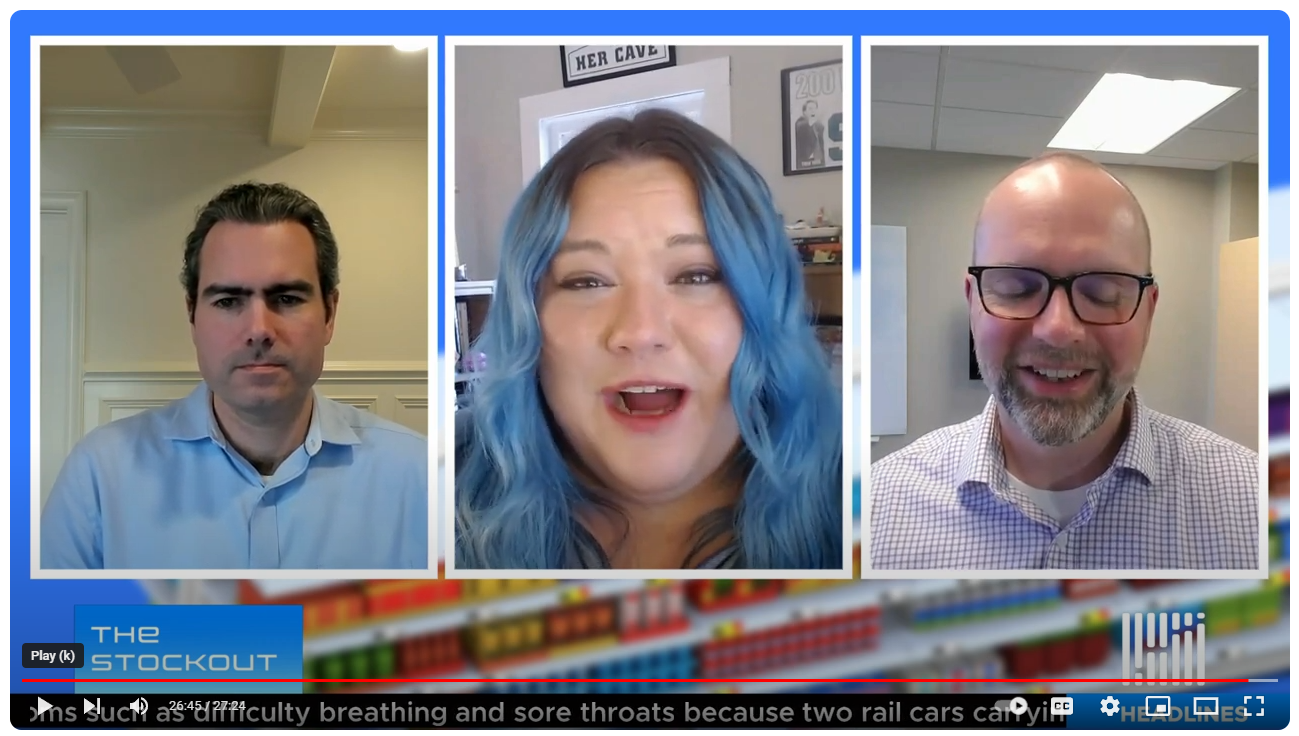
On Monday’s The Stockout show, Grace Sharkey and I interviewed Josh Bouk, chief partnership officer at TriumphPay, the premier payments network for freight brokers, factors, shippers and carriers. According to Bouk, shippers have been relying more on extending payment terms lately in order to minimize working capital, at times demanding payment terms in contracts that extend out to as many as 150 days. Other trends discussed on the show were largely related to the persistently weak freight markets. Typically, truck rates go up at this time of the year because there is an increase in load volume without an increase in capacity. But rates haven’t increased materially this holiday season despite significant growth in e-commerce sales volume, primarily due to the persistent overcapacity. According to Bouk, tender rejection rates are less than half what they should be in a healthy truckload market at this time of the year. TriumphPay’s data shows that there has only been a modest level of transportation capacity leaving the marketplace the past few months. Therefore, in light of the capacity overhang and slow pace of capacity exiting, Bouk expects there to be at least another 12 months before there is a material increase in freight rates.

Catch up on past episodes of The Stockout on its YouTube channel.

Growing aversion to ultra-processed foods may be a major threat to CPG sales

There has been a steady stream of articles in the trade rags regarding ultra-processed foods, which, fairly or not, are receiving an increasing share of the blame for Americans’ poor health. I understand the argument that, after adding chemicals, dyes and various difficult-to-pronounce ingredients, there isn’t much whole food content in many packaged food products and the result is mostly empty calories. However, I also think the public might just be shifting the blame to highly processed foods’ after the wars on fat, trans fat, carbs, soda and sugar haven’t improved Americans’ health in the slightest. Nevertheless, if avoiding highly processed foods is the next diet trend, I think that could be a bigger risk to CPG companies than the impact of Ozempic and similar drugs intended for weight loss and diabetes, which has been a major bear thesis on many consumer staples names this year. 

For those interested in the topic, here is a reading list:

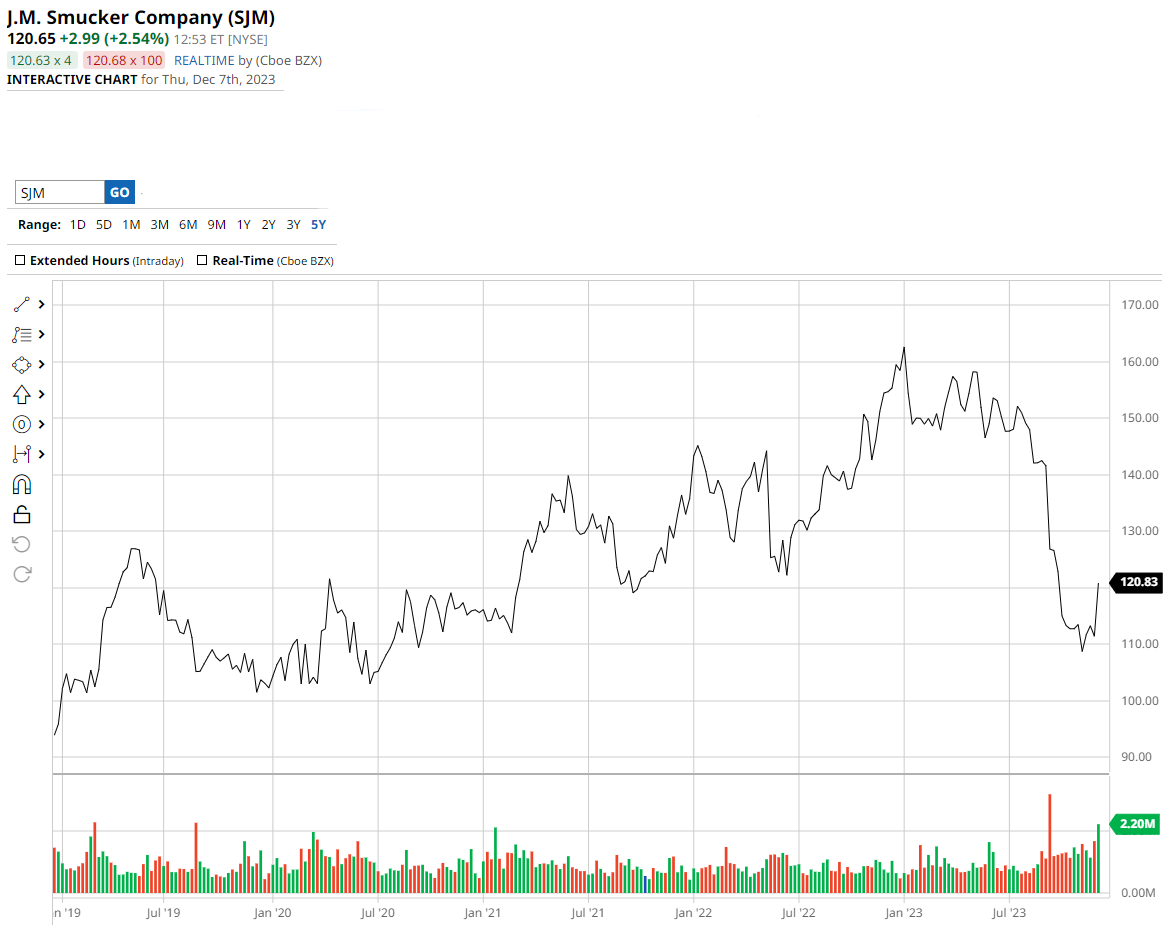
Shares of The J.M Smucker Co. have fallen this year. Following its acquisition of Hostess, investors questioned whether it should have instead invested in healthier alternatives. (Chart: Barchart.com Inc.)

Consumer spending growth slows as inflation cools

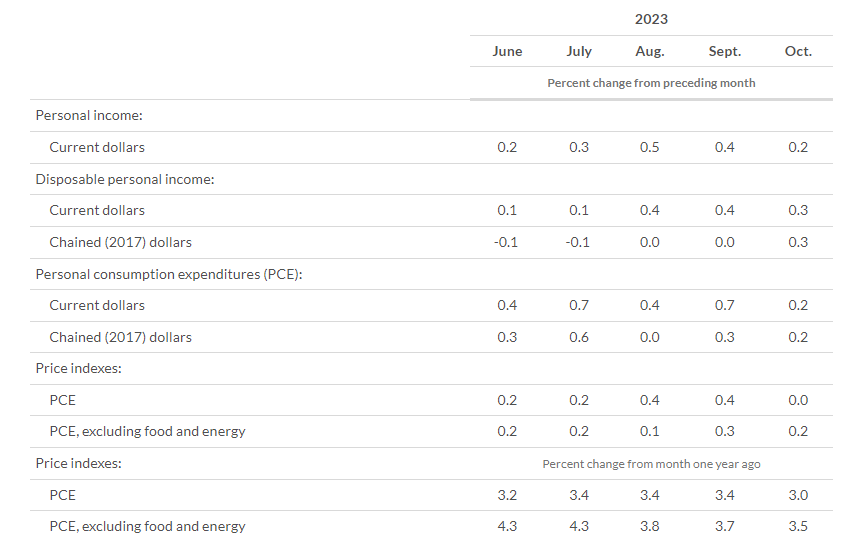
(Chart: Bureau of Economic Analysis)

Presumably due to a combination of credit card balances exceeding $1 trillion, the resumption of student loan repayments, an early Black Friday and some cracks emerging in the job market, the growth in consumer spending is moderating. In October, personal consumption expenditures (PCE) growth was only 0.2% from the prior month, according to the Bureau of Economic Analysis, down from 0.7% month-over-month (m/m) growth in September. 

The associated PCE price index was flat m/m and up 3% year over year (y/y), down from a 3.4% y/y increase in September. That 3% level of inflation remains above the Fed’s target of 2%, but the latest inflation data suggests that fourth-quarter inflation should come in below the Fed’s earlier projection. Plus, inflation is likely to fall further as lower commodity/ingredient costs are passed on to consumers. As a result, there is a growing consensus that the Fed may be finished raising interest rates. Rates coming back down would historically presage a pickup in freight demand with the caveat that there are numerous other pressures that may inhibit a surge in freight demand.

To subscribe to The Stockout, FreightWaves’ CPG and retail newsletter, click here.

GM to provide hydrogen fuel cells for heavy-duty work trucks

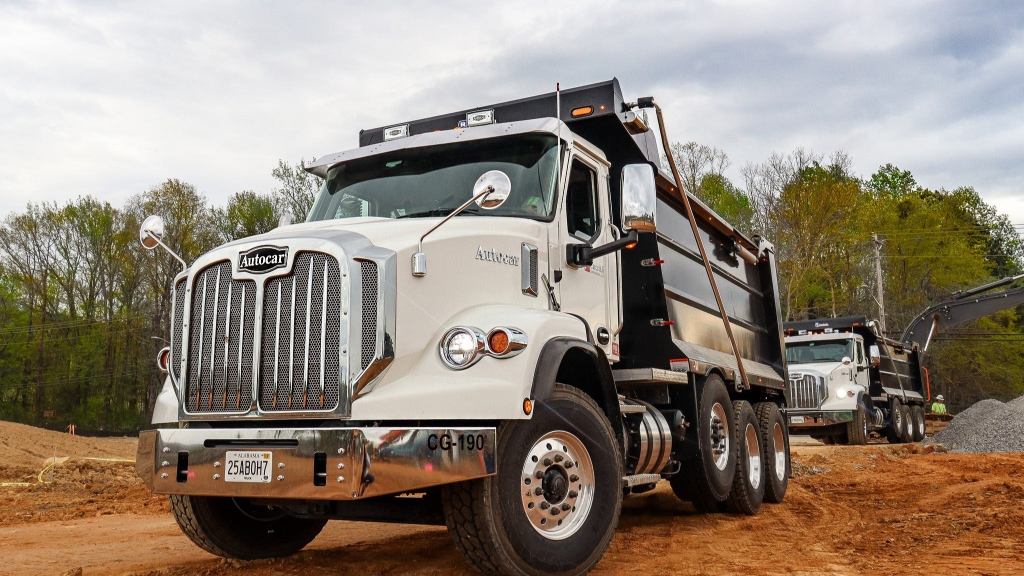
General Motors Co. and Autocar Industries announced a collaboration to create a range of zero-emissions heavy-duty vehicles powered by GM’s Hydrotec power cubes.

The heavy-duty trucks are expected to go into production in 2026 at the Autocar plant in Birmingham, Alabama, starting with roll-off and dump trucks and cement mixers. Autocar will also eventually produce refuse trucks and terminal tractors using Hydrotec power cubes.

Autocar trucks with GM’s Hydrotec fuel cells will be built to order and sold directly to customers.

GM (NYSE: GM) will supply Autocar with the Hydrotec fuel cells, which can meet the needs of the heaviest-duty vehicles, said Charlie Freese, executive director of GM’s Hydrotec global fuel cell business.

“Together what we will be doing is developing a zero-emission solution for vocational vehicles that are powered by GM’s Hydrotec fuel cell power cubes, which will offer a balanced affordability, durability and efficiency for our customers, combined with GM’s world-class ability to manufacture rugged propulsion systems at scale,” Freese said during a news conference Tuesday. “We believe that we will set a new standard for how vehicles can be truly rugged and capable and also produce zero emissions.”

GM’s Hydrotec power cubes provide 77 kilowatts of power that are designed for heavy-duty commercial vehicles. The Hydrotec power cubes are scalable and can electrify vehicles and applications across a variety of industries, from freight trucking, aerospace and locomotives to power generation, according to GM.

“We think that for extreme towing and heavy payload requirements, where the vehicles travel for more than 500 miles and require rapid refueling, hydrogen fuel cells really find the sweet spot for serving our customer needs,” Freese said.

GM’s Hydrotec fuel cell power cubes will be produced by GM at a facility in Brownstown, Michigan.

Birmingham-based Autocar is a 126-year-old vehicle manufacturer focused on Class 7 and Class 8 trucks for severe-duty vocational applications, such as dump trucks, concrete mixers, waste haulers and yard trucks.

Freese also provided updates on several transportation-related projects GM has been working on with other companies.

“Our partnerships with [Nel Hydrogen U.S.] and Liebherr-Aerospace are progressing very well,” Freese said. “Nel recently announced that they’re building a manufacturing facility here in Michigan close to us to incorporate a lot of the manufacturing and the design know-how that we’re transferring from the Hydrotec system into their global manufacturing systems.”

Freese did not provide an update on GM’s partnership with Navistar to produce Hydrotec fuel cells to be used in trucks for J.B. Hunt.

The partnership with Navistar and J.B. Hunt was announced in January 2021 and aimed to get long-haul fuel cell electric trucks into production by 2024.

Click for more FreightWaves articles by Noi Mahoney.

More articles by Noi Mahoney

Texas border wait times spike as CBP agents moved to immigration duty

Logistics boom drives $1.2B e-commerce firm’s relocation in Texas

Synop aims to reshape supply chains starting with EV drayage trucks

DHL Express workers begin strike at Cincinnati air hub 

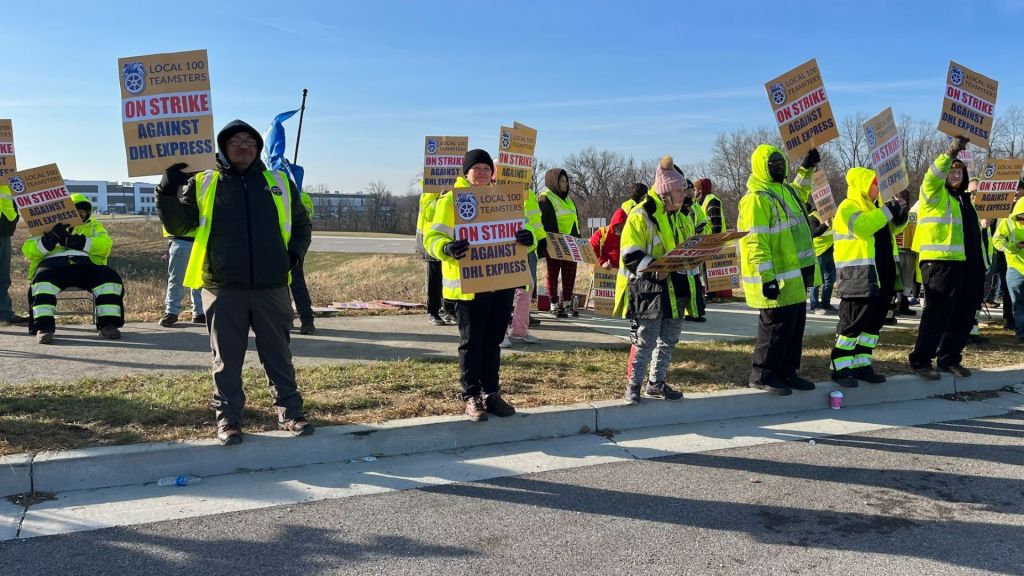
Workers in yellow vests picketing against DHL Express.

More than 1,100 DHL Express ramp workers on Thursday walked off the job at the company’s big air hub at Cincinnati/Northern Kentucky International Airport (CVG) to protest stalled contract talks. The company says it has taken steps to maintain service levels.

“DHL bosses are pocketing billions as many of these workers live paycheck to paycheck,” said Bill Hamilton, director of the International Brotherhood of Teamsters Express Division, in the union’s announcement. “Meanwhile, this anti-worker company has the audacity to disrespect rank-and-file workers who are simply trying to stand up for themselves at the bargaining table. Enough is enough.”

The DHL employees involved in the strike every night load and unload aircraft and drive shuttle trucks with containers full of packages between the cargo jets and the CVG sort facility, one of three global hubs in the DHL Express network. Packages from international destinations are sorted there and put on planes for distribution to various cities throughout North America, with the process also operating in reverse.

Contract negotiations began in July. The Teamsters union is fighting for better wages and safety conditions, as well as an end to what it alleges are illegal anti-union activities, such as harassment and intimidation of union workers. The National Labor Relations Board is asking an administrative law judge to take enforcement action against DHL. 

The Teamsters said last week it has more than $300 million in a strike fund to support workers. 

The withholding of labor comes during the peak time of year for the shipping business at DHL and other logistics companies. The CVG hub processes 130 daily flights and is the base for 60 aircraft. Eighty percent of all shipments from the Americas transit via the CVG hub.

DHL Express said it brought in extra staffing and diverted cargo aircraft to other airports where it has terminals in anticipation of a strike. Members of Teamsters Local 100 on Sunday authorized negotiators to call a strike if the collective bargaining process wasn’t progressing favorably. DHL employs more than 4,000 people at the CVG hub.

“We have consistently sought to bargain in good faith and to find constructive solutions at the negotiating table. … Our customers should remain confident in our ability to provide the excellent service they expect and require,” DHL said in a statement earlier this week. 

Still, the influx of extra volume at regional sort facilities and the need to truck a portion of shipments back to the Midwest could result in delivery delays for some customers.

DHL says it is prepared to resume bargaining in January. 

 Click here for more FreightWaves/American Shipper articles by Eric Kulisch.

Contact Reporter: ekulisch@www.freightwaves.com 

DHL Express diverts freighters from Cincinnati hub as strike precaution

Loaded and Rolling: Florida seeks CDL skills testing waiver

Florida seeks CDL skills testing waiver

(Photo: Jim Allen/FreightWaves)

The Federal Motor Carrier Safety Administration on Monday published a notice in the Federal Register that the state of Florida is seeking an exemption to the CDL testing regulation pertaining to skills testing. The Florida Department of Highway Safety and Motor Vehicles (FLHSMV) has applied for an exemption from the regulation that requires a three-part CDL skills test that must be completed in a specific order.

FreightWaves’ John Gallagher wrote, “Currently, federal regulations require the three-part CDL skills test — pre-trip inspection, basic vehicle control skills and on-road skills — to be administered and completed in that order. If an applicant fails one part of the test, he or she is not allowed to start the next part of the test but instead must return on a different day to retake all three parts.”

One reason behind this exemption request is that the third-party testers set aside blocks of time to conduct each driving test, often between one and two hours; if an applicant fails the first skills test (pre-trip inspection), then the application must come back at a later date. The challenge for skills examiners is waiting out the remaining time until the next applicant arrives for his or her scheduled testing block. The exemption could streamline and speed up testing, with the FLHSMV noting this “would allow their compliance staff to better utilize their time and resources in completing the required monitoring of third-party testers.”

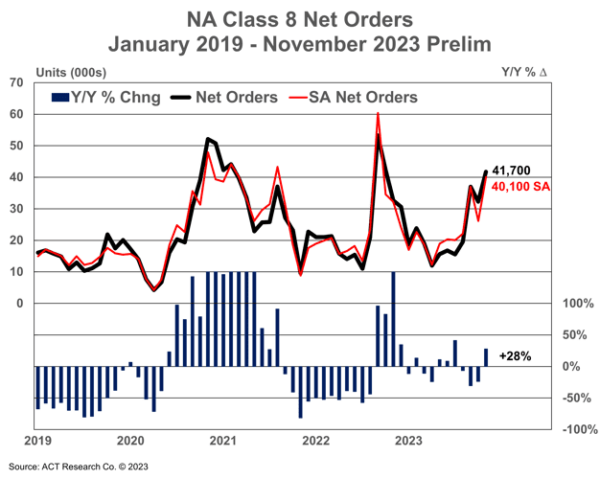
Class 8 preliminary orders surge in November

(Source: ACT Research)

ACT Research on Monday released its preliminary Class 8 order data for November showing a surge in orders to 41,700 units, an increase of 9,000 units from October. The report notes this was the highest monthly intake since October 2022 and the best “real” order month since September 2022. Kenny Vieth, president and senior analyst at ACT Research, said in the report, “Even though backlogs, in seasonal fashion, are rising, they continue to point to a different market vibe heading into 2024: Still good, for sure, but solid, rather than stellar.”

FreightWaves’ Alan Adler wrote that FTR Transportation Intelligence reported lower preliminary orders of 36,750 units, up 30% from October and 2% year over year. FTR Chairman Eric Starks said, “Despite prolonged weakness in the overall freight market, fleets continue to be willing to order new equipment. Order levels were above the historical average but continue to follow seasonal trends, stabilizing our expectations for replacement demand in 2024.”

The stronger demand appears to also exist in other segments, with Paccar Inc. CEO Preston Feight noting in the company’s Q3 earnings call, “We see a really strong vocational market out there. We see a strong medium-duty market. The LTL market is very strong.” Feight predicts a strong Q1 for 2024 based on demand.

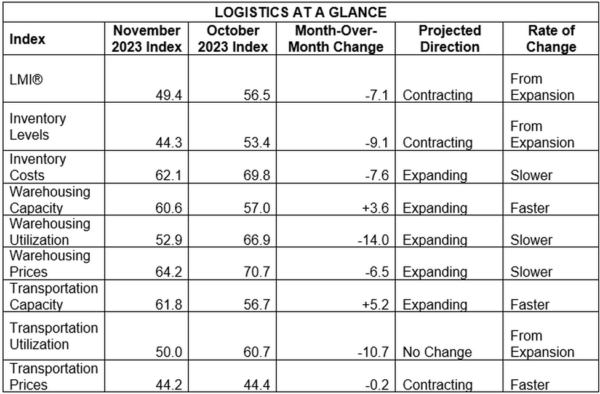
Market update: November LMI data back in contraction

(Source: The Logistics Managers’ Index)

The Logistics Managers’ Index November data, released Tuesday, showed the overall metric drop back into mild contraction. The overall LMI score fell 7.1 points from an October reading of 56.5 to a November reading of 49.4. This contraction marked the end of three consecutive months of expanding rates of growth and the largest drop since the ongoing freight downturn began in April 2022. Compared to last April, “November’s dip was largely triggered by a decline in Inventory Levels (-9.1) which is attributable to Q4 holiday sales and the subsequent dips in Warehousing Capacity (+3.6) and Transportation Capacity (+5.2) and slowdown in Warehousing Utilization (-14.0) and Transportation Utilization (-10.7),” the report said.

Regarding the significance of November’s drop, the report noted that the decline in inventory levels was from firms selling off inventories quickly compared to the decline in April 2022, when firms held too much and could not sell any of it. For shippers, the cost of transportation fell at a reduced rate. The report added, “It is interesting that Transportation Prices, which have been the lowest metric all year and are often the canary in the coalmine for the overall logistics industry, is the metric that had the smallest drop during November’s swoon.”


For a capacity outlook, it appears respondents predict further contraction. FreightWaves’ Todd Maiden wrote of the report, “Transportation capacity remained ‘prevalent across the supply chain’ and has been on the rise since April 2022, according to the Tuesday report. When asked about transportation capacity one year from now, respondents returned a reading of 48.2, with downstream participants like retailers expecting a faster rate of contraction (43.8).”

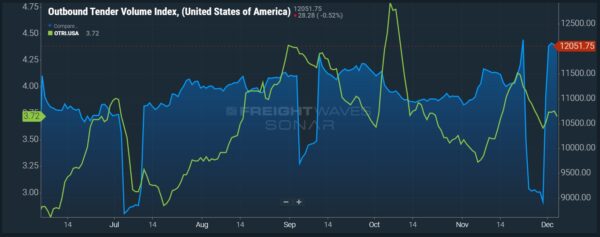
FreightWaves SONAR spotlight: Peak season outbound tender volume boom resumes

(Source: FreightWaves SONAR)

Summary: Outbound tender volumes nationwide (OTVI) remain elevated following the Thanksgiving holiday as shipping facilities reopen and clear freight backlogs. Looking at the past month, outbound tender volumes rose 9.23% or 1,018.7 points from 11,033.05 points on Nov. 5 to 12,051.75 points. Peak season saw an increase in van outbound tender volumes in the past month with VOTVI rising 10.1% or 796.36 points from 7,912.18 points on Nov. 5 to 8,708.54 points. Putting the post-holiday bump in context, outbound tender volumes, currently at 12,051.75 points, are 1,131.05 points or 10.36% higher than 2022 but remain lower than the record outbound tender volumes seen during the pandemic, which were 3,017.02 points higher in 2021 and 3,771.95 points higher in 2020.

The return of truckload capacity from the holiday caused outbound tender rejection rates to fall 1 basis point week over week from 3.73% on Nov. 27 to 3.72%. For fleets heavily exposed to contracted volumes, this slight decline suggests greater fleet availability during the holidays or that customers shipping contracted volumes had greater flexibility, removing the need to reject tenders that may be preloaded or dropped at a terminal to deliver at a later date. The spot market saw greater volatility from carriers exiting for Thanksgiving with the FreightWaves National Truckload Index 7-Day average (NTI) rising 4 cents per mile all-in from $2.29 per mile on Nov. 27 to $2.33 per mile. Removing an estimated fuel surcharge, NTI linehaul rates rose 5 cents per mile from $1.63 on Nov. 27 to $1.68 per mile.

Average per-worker cost of health benefits rose by 5.2% in 2023: survey (Trucking Dive)

Feds told to start rating ‘unrated’ trucking companies for safety (FreightWaves)

VC-backed CloudTrucks exits factoring business to focus on core offerings (FreightWaves)

Truck parking expansion money still elusive on Capitol Hill (FreightWaves)

CARB Clean Truck Check Compliance Begins Jan. 1 (Heavy Duty Trucking)


FMCSA issues policy on sexual assault among truck drivers (FreightWaves)

Like the content? Subscribe to the newsletter here.

FMCSA issues policy on sexual assault among truck drivers

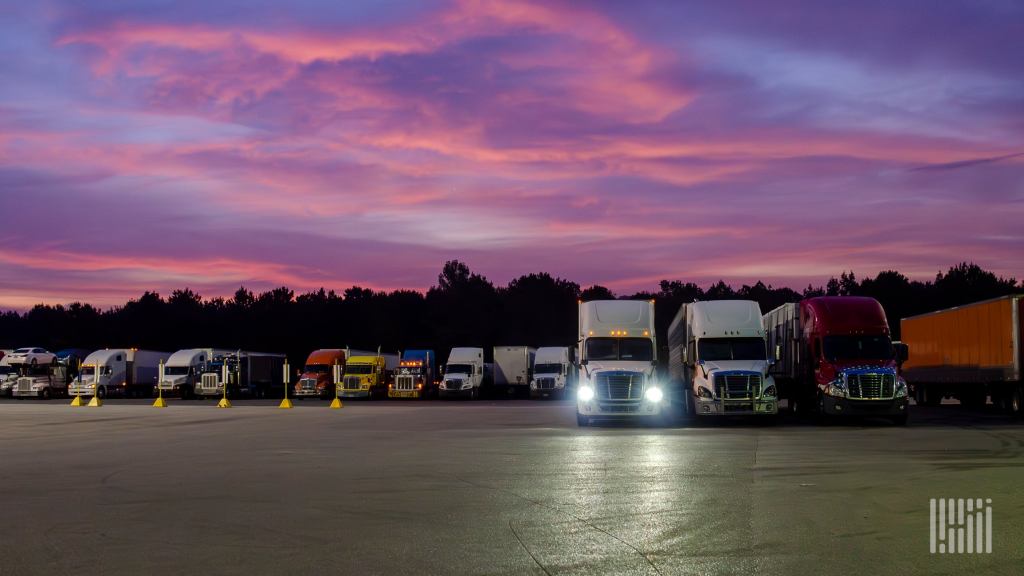
Trucks at rest stop at night.

WASHINGTON — The Federal Motor Carrier Safety Administration has issued a new policy statement aimed at addressing sexual assault within the trucking industry.

In addition to increasing awareness of the problem, the statement, issued on Thursday by FMCSA Administrator Robin Hutcheson, also aims to remind state courts and state driver licensing agencies (SDLAs) that federal regulations require states to disqualify drivers from operating a commercial truck if they are convicted of using it to commit felony sexual assault.

“I’m absolutely thrilled to see this, it’s been something I’ve been writing about for some time,” Desiree Wood, who heads the advocacy group REAL Women in Trucking and is a commercial driver herself, told FreightWaves.

“Before Robin was at FMCSA, people were saying this issue was not under the agency’s authority. There have been agency announcements about wanting drivers to be the eyes and ears on the road when it comes to truckers against the human trafficking that’s been occurring, but what about cleaning up our own house?”

The policy statement acknowledges sexual assaults that occur at truck stops and fueling stations and while drivers undergo CDL license training.

“Truck drivers whose personal safety is at risk cannot devote their complete attention to the safe operation of a CMV [commercial motor vehicle] and the performance of other safety sensitive functions,” the notice states. “State courts and state driver licensing agencies [SDLAs] play a key role in addressing this problem.

FMCSA states in the notice that it is also aware that state criminal codes use varying terms to describe sexual assault, including rape, and that the term “sexual assault” means “any nonconsensual sexual act proscribed by state law, including when the victim lacks capacity to consent.”

It notes that examples of “using a CMV” in an assault could include:

  • Felony sexual assault occurring in or upon a CMV or towed unit.
  • Use of a CMV to transport a victim to a site where felony sexual assault is committed.
  • Use of a CMV to conceal a felony sexual assault whe, for example, the CMV serves as a shield from public view while the assault is taking place.

“There may be other circumstances in which a CMV is used in the commission of felony sexual assault as determined by state prosecutors based on the facts of the case and applicable state law,” according to the notice. “FMCSA urges state courts to be diligent in forwarding these convictions to the SDLA so the perpetrator will be disqualified from operating a CMV.”

The notice comes as Hutcheson reviews final recommendations made in a report from FMCSA’s Women in Trucking Advisory Board.

The board recommended, among other things, that trainers and trainees never share the same sleeping quarters during CDL training periods, including hotel rooms and sleeping berths. It also recommended removing drivers with proven and documented cases of sexual harassment and assault by setting up complaint-reporting mechanisms outside the company structure.

Wood urged women to make criminal complaints “since this guidance would require this for enforcement,” she said. “We also need further education for law enforcement so they understand the nature of over-the-road truck driver training practices and jurisdiction issues that may cause them to not take criminal complaints seriously.”

She added, “I strongly feel that sexual predators — even though they may not have yet been identified as such — still thrive in this industry because we have not addressed the issue. We need to grow up and understand that until you can be transparent about it, you can’t begin to fix the problem.”

Click for more FreightWaves articles by John Gallagher.

CN acquiring Iowa Northern Railway

Canadian railway CN plans to acquire Iowa Northern Railway (IANR) a short-line railroad that operates on 275 miles of track in Iowa.

IANR, which connects with CN’s (NYSE: CNI) network and is based in Waterloo, is privately owned by the Sabin family. Acquisition costs weren’t disclosed, but the transaction is subject to the Surface Transportation Board’s regulatory approval, which could be granted in 2024.

IANR serves agricultural and industrial markets in the Upper Midwest, and customers include those transporting grain and biofuels. According to IANR’s website, the company also provides car storage and transloading services. The railway also interchanges with two other Class I railroads — Union Pacific (NYSE: UNP) and Canadian Pacific Kansas City (NYSE: CP) — and one short line, the Iowa Interstate Railroad via short line and UP subsidiary Cedar Rapids & Iowa City Railway.

“We are delighted to have reached an agreement with Iowa Northern Railway. We look forward to the opportunities our combined network will provide customers, farmers, and our partners to respond to the needs of their existing and new markets,” CN President and CEO Tracy Robinson said in a Wednesday afternoon news release. “By enabling all of us to play an even more important role in this critical supply chain and densifying our southern network, we are accelerating sustainable, profitable growth.”

Said IANR Chairman Daniel Sabin: “We are very pleased to have reached a deal with CN. We believe CN shares IANR’s commitment to local stakeholders and that this transaction will be beneficial for customers, employees and the local Iowa economy. We are confident that, as part of CN, IANR will be able to continue to provide reliable first and last mile service to our local customers while providing them access to a much broader network and market.”

Subscribe to FreightWaves’ e-newsletters and get the latest insights on freight right in your inbox.

Click here for more FreightWaves articles by Joanna Marsh.

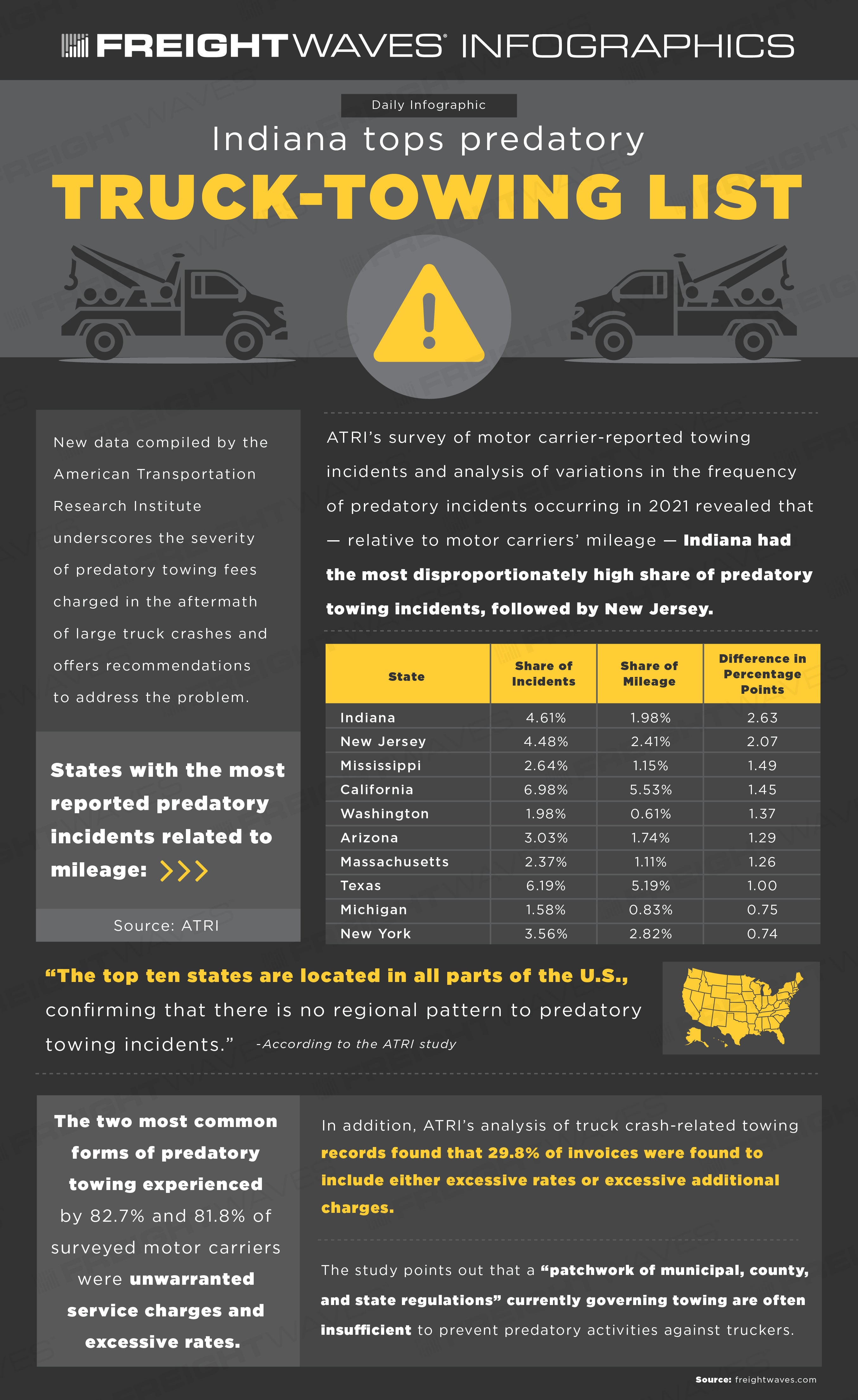
Daily Infographic: Indiana tops predatory truck-towing list


To view more FreightWaves infographics, click here