Stimulus bill awards $58 billion to stabilize airline industry
Airlines were among the big industry winners when the smoke lifted and Congress finalized a $2 trillion economic stimulus package to deal with economic fallout from the coronavirus.
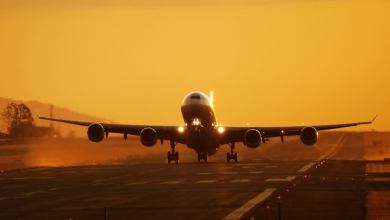
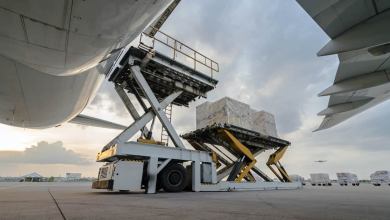
Airlines and airports have a symbiotic relationship, but there is tension over airlines’ interest in waiving airport charges and taxes during the pandemic recession.
The International Air Transport Association had sobering news about the financial prospects for airlines this year: a quarter-trillion dollars in lost revenue.
The Chinese government is using the reason “Acts of God” to void many contracts due to coronavirus. Darren Prokop explores whether that is hurting current trade and will impact trade in the future.
Advocates for rules exemptions characterize freighters as mission-critical for delivering medical supplies and feeding the public.
The latest blow for the airline industry came when President Donald Trump announced Wednesday that travelers from 26 European countries would be barred from visiting the U.S. for 30 days.
Airlines are getting hammered by falling demand and now will lose much of the trans-Atlantic market entirely for a month as the U.S. bans travel from Europe.
The travel and hospitality industries are getting battered by falling demand for their services as the coronavirus spreads. Less economic activity and aircraft capacity hurts shippers too, who can’t sell or ship as many goods.
People might be willing to travel for business, but companies are nixing nonessential trips. Many industry conferences are being canceled as a result.
Airlines are at the mercy of the coronavirus. About the only thing they can do is try to reduce operating costs and preserve cash flow until people are willing to start traveling again.
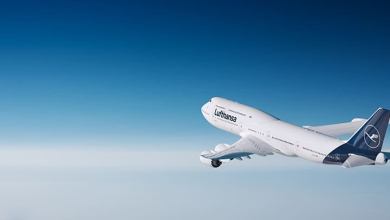
The financial chickens from the coronavirus are coming home to roost. Lufthansa is belt-tightening, other airlines might try to ease lease terms for assets.
It’s difficult to predict how travel and trade patterns will impact the global economy for the full year, but companies involved in trade and travel are feeling the pinch already. The crisis is creating risks and opportunities for airlines, especially for companies that fly dedicated freighters.
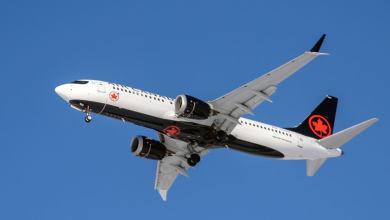
From maintenance, to deferred aircraft upgrades, IT work to rejigger reservation systems, and extra fuel and maintenance costs the grounding of the Boeing 737 MAX is financial and operational constraint for airlines.
2020 is shaping up to be a difficult year for the airline industry because of the coronavirus and uncertainty over when demand for China travel will pick up once the outbreak has subsided.
Looking like a scene from the Fox drama “24” where Kiefer Sutherland deals with biological weapons, technicians in hazmat suits spray down Volga-Dnepr cargo planes with disinfectant and take other precautions against the coronavirus.
Cargo carriers will be able to operate more efficiently between the U.S. and Kenya thanks to a new agreement between the governments.
Pilots hold many of the cards when it comes to cargo capacity in China. If they decline flight assignments to avoid catching the coronavirus, lots of merchandise and supplies won’t get delivered on time.
Airlines continue to react to the spread of the coronavirus by cutting more flights.
Delta, Air Canada and Lufthansa are among the international airlines reducing or suspending flights to China as the coronavirus spreads.