




Joanna Marsh
Thursday, August 13, 2020
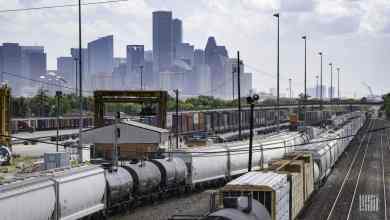
US weekly intermodal traffic goes positive for first time in months
Intermodal volumes actually grew year-over-year.
Intermodal volumes actually grew year-over-year.

U.S. carloads fall nearly 18%, although intermodal traffic slipped by only 1%.

As U.S. weekly carloads have trended lower for months, rail industry stakeholders discuss how to relieve the railcar supply glut.

Weekly volumes for U.S. intermodal units were only 1.7% lower than the same period in 2019.
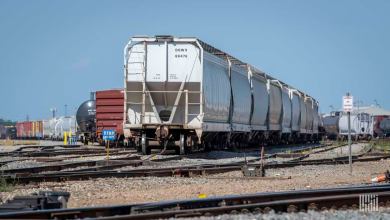
U.S. rail traffic is still facing double-digit percentage declines amid trade uncertainties and the coronavirus pandemic.

Weekly U.S. intermodal volumes rise nearly 8% amid the easing of social distancing restrictions that began before the July Fourth holiday weekend. But can intermodal traffic sustain that increase amid pandemic uncertainties?
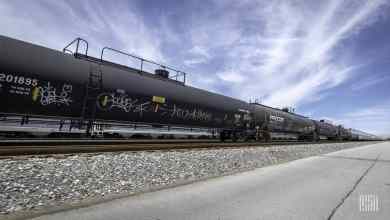
Infrastructure provisions passed the U.S. House of Representatives, but they may have trouble finding support in Republican-controlled Senate.
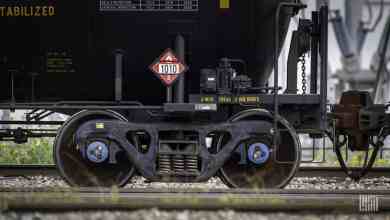
The latest infrastructure bill phases out DB-60 air brake control valves manufactured before January 2006 over concerns about their effectiveness in cold weather.

Rail traffic continued to build through June. U.S. intermodal traffic was only off 5% year-over-year in week 26.
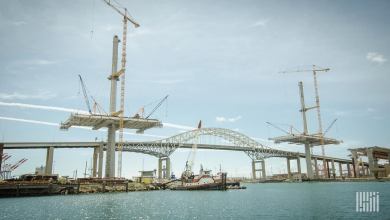
$1.5 trillion infrastructure bill passes U.S. House along party lines; includes truck insurance hike.

Rail traffic continues to increase after bottoming out in April and May.

Weekly rail traffic moved higher week-to-week amid growing builder confidence and higher retail sales in May. But will the upward trend last?

With the second half of the year just weeks away, Class I rail executives are eyeing at least some recovery in rail volumes as shelter-in-place restrictions ease.
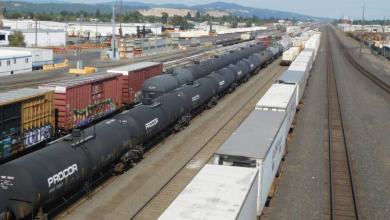
The active railcar fleet fell by 25% in May. Multiple headwinds face railcar demand, but volumes may be turning a corner.
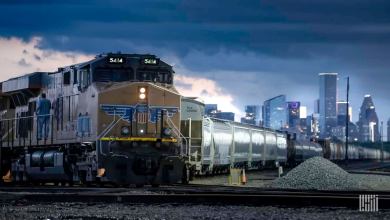
Labor groups praise bill’s contents but key freight rail group is “disappointed.”
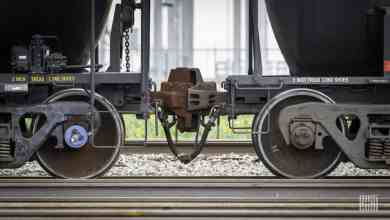
Although rail traffic is still down significantly over 2019, that wide difference in volumes could be slowly starting to narrow.

Despite U.S. rail traffic remaining sharply lower on a year-over-year basis, rail volumes for commodities such as grain and motor vehicles and parts helped to push volumes higher on a week-to-week basis.

Opponents of increasing size standards for trucks fear permanent changes post-pandemic.
The Class I railroads are hoping that the restart of U.S. automotive production will be one of the first significant steps towards growing rail volumes. Automakers are resuming production as weekly U.S. carloads tumble 30% year-over-year, the widest decline since 1988.
As Congress and the White House consider short- and longer-term funding infrastructure needs, the railroads want to ensure that the rail sector is part of the discussion.