




Joanna Marsh
Wednesday, May 13, 2020
Double-digit percentage declines persist for US rail volumes
The Class I railroads’ expectations that the second quarter could be rough volume-wise are ringing true.
The Class I railroads’ expectations that the second quarter could be rough volume-wise are ringing true.
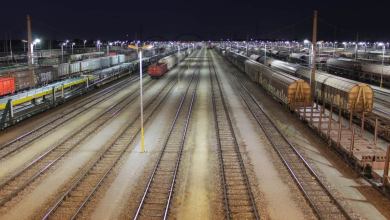
The COVID-19 pandemic sent U.S. rail volumes tumbling last month. But now, stakeholders are looking at the shape and scope of an eventual recovery.

The effects of the COVID-19 pandemic, as well as the structural decline in U.S. coal consumption, are pulling rail volumes downward.

U.S. rail traffic slumps amid pandemic woes, and challenges are likely to persist into the second quarter.

The ongoing coronavirus pandemic is shrinking U.S. rail volumes as the housing construction and retail sectors struggle to stay afloat.
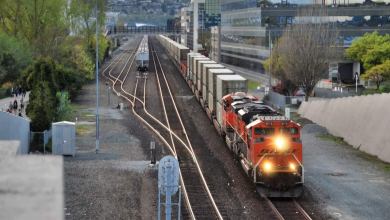
North American rail volumes last week were approaching levels normally seen during Christmas and New Year’s, according to the Association of American Railroads.

Motor vehicles carloads fall nearly 67% as the coronavirus pandemic keeps buyers away from showrooms.
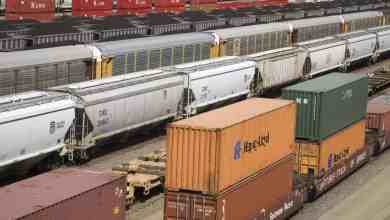
Freight rail trade and labor groups applaud the U.S. federal government for passing the $2 trillion stimulus package aimed at stabilizing the American economy amid the coronavirus pandemic.
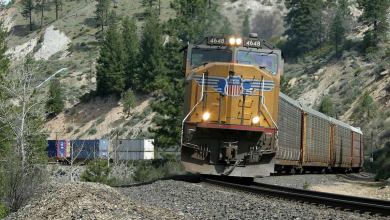
The pandemic may put pressure on U.S. rail volumes, particularly for commodities that support consumer goods, says an Association of American Railroads executive.

Two unions’ petition to the Federal Railroad Administration contends that some Class I railroads have been slow to respond to calls for better workplace sanitation amid the COVID-19 outbreak.

Total headcount falls to its lowest level amid continued declines in U.S. rail volumes.
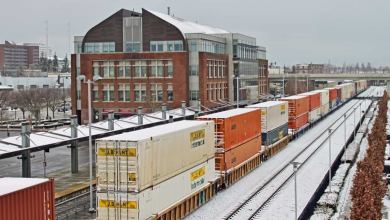
Intermodal volumes slump as the coronavirus cuts North American import and export volume.
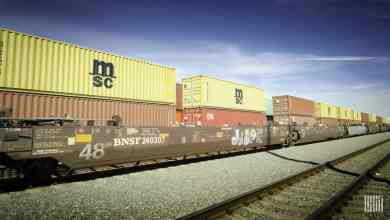
The drop in weekly intermodal volumes in North America could be a reflection of the impact of coronavirus on the supply chain.
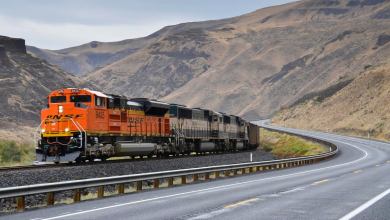
The Brotherhood of Locomotive Engineers and Trainmen wants freight and passenger railroads to temporarily alter their sick leave policies and provide stronger sanitizing materials.
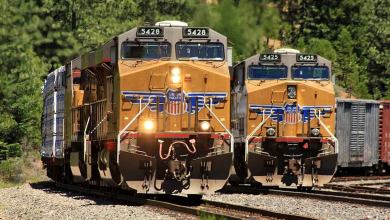
Excluding coal carloads, U.S. carloads in February fell only 0.8% from last year, according to the Association of American Railroads.

U.S. rail traffic maintains its slump for another week

Year-to-date U.S. rail traffic is over 6% lower than the same period in 2019.
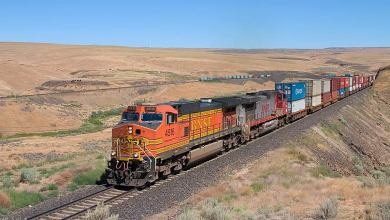
Year-to-date U.S. rail volumes are still sluggish, and the effect of the coronavirus on intermodal volumes remains unclear.

Trade uncertainties, softness in the manufacturing sector contributed to lower rail volumes in January.
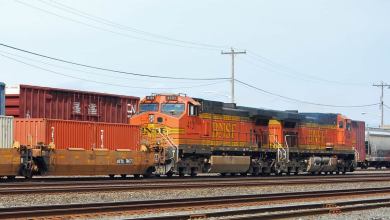
The drop comes as the Class I railroads look to the second half of 2020 for volume growth.