




Joanna Marsh
Thursday, January 23, 2020
US rail volumes still sluggish
Year-to-date U.S. rail traffic is 7.8% lower compared with the same period in 2019.
Year-to-date U.S. rail traffic is 7.8% lower compared with the same period in 2019.
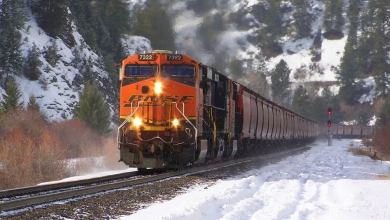
U.S. carloads and intermodal units are down year to date from the same period in 2019.
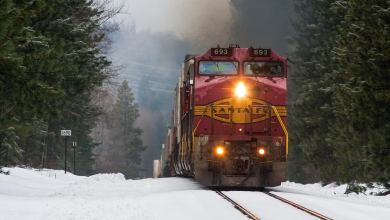
Improving rail volumes and service are among the crucial issues to look out for as the railroads reveal their 2020 guidance in the coming days.
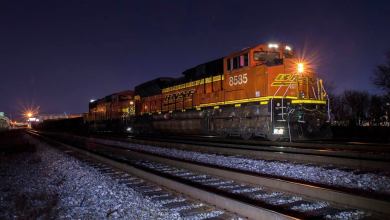
Association of American Railroads reports volumes continue to run lower than a year ago.

Jim Blaze writes about the key messages he extrapolated about railroading in 2019.

U.S. rail volumes fell 5% in 2019 amid trade worries, a sluggish industrial economy and a significant drop in coal carloads.
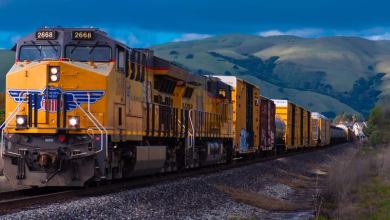
The volume drop has created ripple effects, including some lower railcar leasing rates.

The continued dip in rail volumes comes as North American freight rail groups press for trade pact.
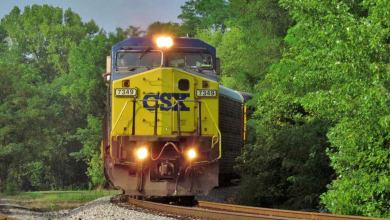
Proposal providing relief for shippers could be rolled out next year.

Economic uncertainty weighs on rail volumes.
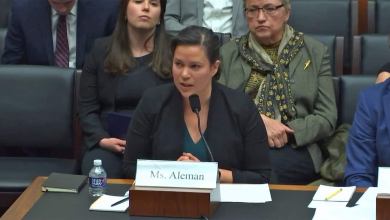
E-commerce’s role in transforming supply chain logistics should be a factor that Congress considers during the next surface transportation bill authorization.

U.S. rail volumes are down, but don’t call it a freight recession, according to Association of American Railroads executive.

U.S. rail volumes continue to slip as rail executives see muted peak season.
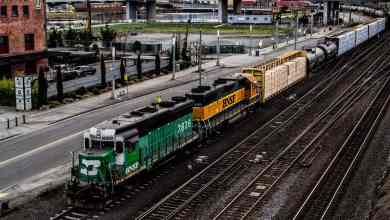
U.S. rail volumes have been trending lower all year.

U.S. rail volumes fell 8.1% amid trade uncertainty and “sluggish” growth abroad.

U.S. rail trade associations say changes will help employees responding to unplanned events.

Year-to-date U.S. rail traffic continues to trend lower.

Rail volumes fell yet again and the industry is casting its doubts about the fourth quarter.

With U.S. rail volumes still slumping, the Class I railroads wondered in third-quarter earnings calls when the downward trend would end.

Groups say existing federal laws trump Illinois’ mandate on train crew size.