




Ashley Coker Prince
Thursday, July 15, 2021
Are the best logistics companies really tech companies?
The instability of a global pandemic made it clear that up-to-date technology is required to survive, not just thrive.
The instability of a global pandemic made it clear that up-to-date technology is required to survive, not just thrive.

Autonomous & Electric Vehicles Summit – Register Now

On the first episode of Transmission, Sebastian Blanco and Grace Sharkey dive into the ins and outs of the automotive supply chain.
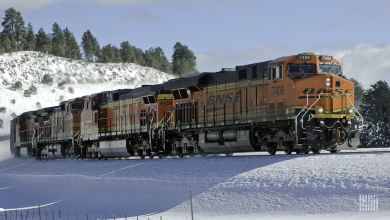
The trade agreement’s rules governing how much of a car must consist of North American parts could incentivize automakers to set up more assembly plants in the U.S.

FedEx and UPS are running into a van shortage amid a record surge in parcel volumes. As the number of packages increases during the holidays, carriers are finding themselves without vans to make final mile deliveries.

There is an ongoing race for EV domination as automakers across the globe push to be No. 1 in the EV market. Today’s focus? Tesla’s strategy to stay on top.

While critics who oppose the USMCA believe this deal will ultimately disincentivize automotive companies to keep manufacturing facilities in North America due to an increase in production costs, there are strong country-of-origin protections in place that we believe will intensify North American automotive production.

Protestors blocking ports and rail ramps in the Mexican state of Michoacán are disrupting Kansas City Southern de Mexico’s operations and damaging Mexico’s economy.
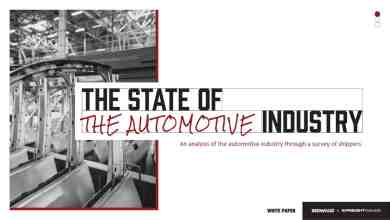
COVID-19 and 2020 have presented a plethora of unique challenges to the automotive industry, including demand fluctuations, supply disruptions, capacity shortages and elevated rates.

An increase in consumer demand is causing a container clog, with many ports and carriers running out of space. This surge has caused container prices to sharply increase, forcing automotive suppliers to pay a pretty penny for real estate on these large container ships.

FreightWaves has produced a white paper, in partnership with Echo Global Logistics, reviewing the current state of various industrial freight verticals and future forecasts for each.

Companies that have been outsourcing and far-sourcing their supplies might now look to source closer to their assembly line to have flexibility during times of disruption.
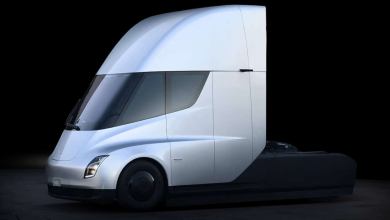
Despite falling short, the electric automaker reaffirmed its full-year delivery guidance, saying it still expects to deliver 360,000 to 400,000 vehicles in 2019.

Trucking warns supply chain may still require Inventory buffers.

Universal and other carriers with exposure to automotive verticals face impact of GM plant shutdowns.
As Trump continues to ramp up protectionist tariff talk and suggesting that imported autos and auto parts will be next, the U.S. auto industry is collectively saying, thanks, but no thanks.