




Alan Adler
Sunday, November 5, 2023
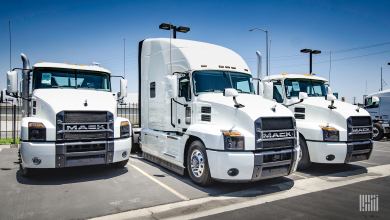
Class 8 catch-up largely over as replacement iron drives orders
Fleets waited two years for back-ordered Class 8 trucks. Now largely met, demand has shifted to replacement needs.
Fleets waited two years for back-ordered Class 8 trucks. Now largely met, demand has shifted to replacement needs.

FreightWaves on Tuesday interviewed Angela Acocella, postdoctoral researcher at Tilburg University and researcher with the MIT Center of Transportation and Logistics looking at the impact of ghost lanes on shipper and carrier networks.
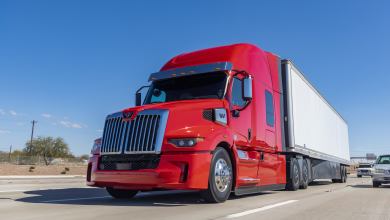
Fleets are holding off on Class 8 truck orders because supply shortages continue to delay acceptance of 2023 bookings.

Class 8 truck orders fell in May for seasonal reasons and because manufacturers kept a tight lid on bookings.
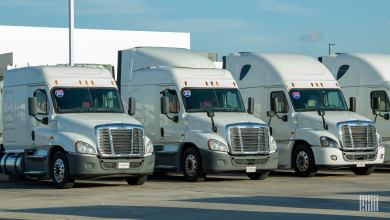
Used truck prices continued to hit new highs each of the last six months according to ACT Research. Prices will eventually become too much of a burden for small fleets and owner-operators to bear, if they haven’t already.

“There are significant inventories of already produced vehicles where essential parts are lacking.”
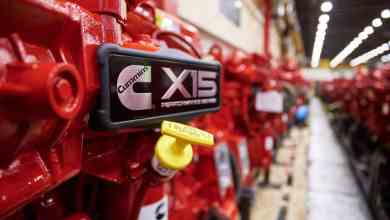
Engine maker Cummins absorbed $105 million in freight costs to get microchips needed for engines during the trucking boom.
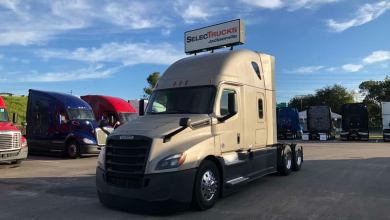
Heavy-duty trucks with collision avoidance, emergency braking and other safety technologies are beginning to enter the used truck market, potentially making the roads safer as older trucks are retired.
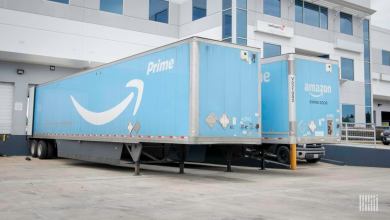
Carriers are investing in new trailers over tractors during the most recent freight boom. What does this mean for capacity in the future?
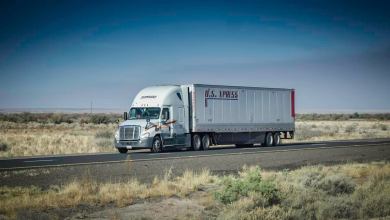
U.S. Xpress’ industry forecast calls for the truckload market to experience high driver turnover, declining capacity and “overwhelming” volumes through 2021.
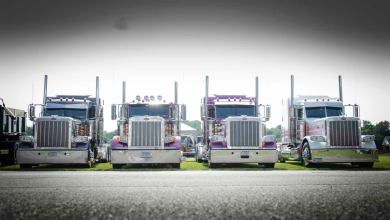
The last time capacity tightened to this level, capacity flooded the trucking space. Will the same outcome occur in 2020?
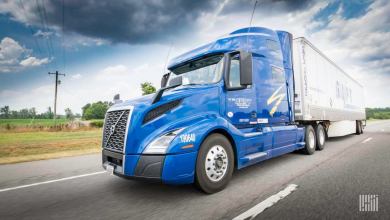
Preliminary orders for Class 8 trucks in June rebounded to a four-month high, following a rapid improvement in freight rates.
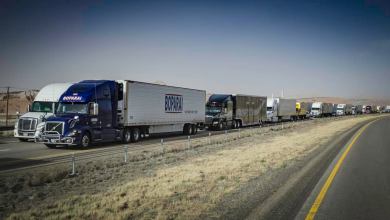
A lot of the recent struggles for carriers originated in what many consider to be the most profitable year.
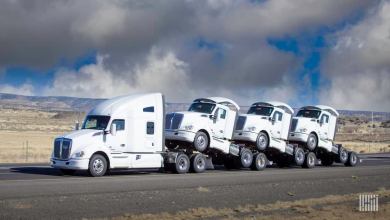
Class 8 orders in April plummeted to their lowest level since September 1995 as the COVID-19 pandemic froze new bookings and led to postponing near-term deliveries.
The coronavirus pandemic resulted in half as many year-over-year orders in a month when comparisons were expected to be easy. With truck makers suspending production, even the paltry bookings will go into backlog.
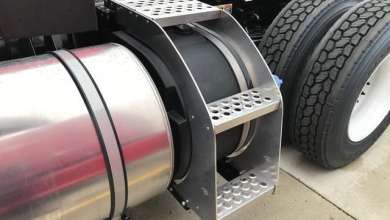
Steering advances, integrated steps over DEF tank among enhancements truck makers are bringing to market amid a continuing slowdown in new equipment orders
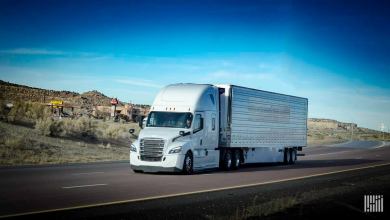
Already feeble orders of new tractors took another hit in February as uncertainty over the business impact of the coronavirus kept fleets out of the market.
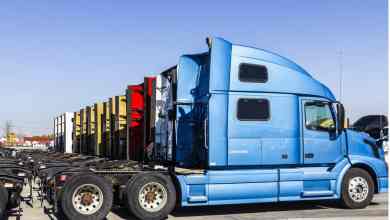
Market Expert Mike Baudendistel looks at the prospects for the truck original equipment manufacturers in 2020.

North America propped up Daimler Trucks sales and earnings in 2019 as lower European and Asian volume, along with restructuring costs and settling emissions-cheating allegations dragged the industry leader’s results lower.

Power management company Eaton Corp. missed analyst estimates in the fourth quarter, partially because of weakness in the automotive sector and a $50 million warranty charge.