California’s loss is Texas’ gain
Are supply chains already manifesting significant changes in domestic transportation patterns?
Outbound volume in Harrisburg, Pennsylvania, is booming, raising its market share to 3%. Flatbed market experiences a significant decrease in rejections.
The conflict is 8,000 miles away from North America but supply chains are global, which means any disruption around the world is a threat to their well-being. As the impact of COVID diminishes, a new geopolitical threat arises.
Carriers are working hard on covering the high-priced West Coast freight, leaving shippers in the Northeast wanting.
The White House has begun monitoring container volume at the ports of Los Angeles and Long Beach to measure progress in clearing supply chain bottlenecks.
While shortages are being blamed for the bulk of the capacity shortages in transportation, the balance of the movement of goods has become incredibly lopsided.
New forecasts from the National Retail Federation call for retail imports to stay high through at least February.
Carriers are rejecting a disproportionate amount of long-haul freight heading east versus west. Does this dramatic imbalance have long-term implications?
An FMC advisory committee has been formed amid ongoing shipper complaints of carrier market power abuse.
Recent earnings reports from retailers exhibited improved inventory positions compared to a year ago. However, the comps show merchandise levels are still lagging sales by a wide margin.
August is likely to see a new monthly record for retail container imports, with 2021 doing the same. However, ongoing supply chain dislocation clouds how quickly consumers will be able to get their hands on the goods.
The headline number for May retail sales was a sequential decline. What may have been lost in the report is that consumers are continuing to spend at a record-setting pace, which bodes well for freight flows.
There was a fair amount of “feel-good” talk regarding inventory build during the fiscal first-quarter retail earnings season. But for several chains, the year-over-year comparisons were easy. Further, sales have continued at an elevated clip, suggesting the massive merchandise restocking is far from over.
Freight shipments continue to break records with little signs of slowing. The year-over-year comparisons get tougher in the back half of 2021 but the current supply-demand dynamics may not change all that much.
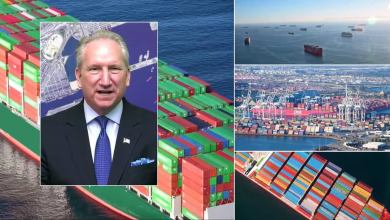
Container rates doubling from a year ago is a lesson for port investment, according to Port of Long Beach’s Mario Cordero.
Retail sales surged in March along with freight volumes. An increase in vaccinations and stimulus payments provided a “perfect alignment” for the blowout report.
If you ordered a fire pit or a rowing machine online, there’s a good chance it’s coming through the Port of Long Beach. The port is moving record amounts of containers and shipments are experiencing delays.
The Port of LA will use tax funds for repairs needed to address its booming business.
Booming sales, thin inventories and more stimulus on the way provide the backdrop for potentially setting a new record for retail container imports in 2021. The National Retail Federation raised its outlook again for loaded containers landing at U.S. ports in the first half of the year.
Due to shipping snarl and container congestions, delays in retail inventories will be felt from Christmas through Easter.