





Mary O'Connell
Tuesday, September 13, 2022
Check Call: Look at all those boats with Brian Glick
FreightWaves’ Mary O’Connell and Brian Glick from Chain.io, dive into all things ocean freight.
FreightWaves’ Mary O’Connell and Brian Glick from Chain.io, dive into all things ocean freight.
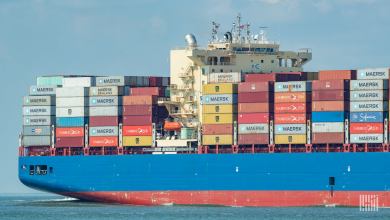
“This new funding will help us accelerate development of our platform and add even more data sets to enrich our expert industry analyses to further drive transparency in the market,” says Xeneta co-founder and CEO Patrik Berglund.
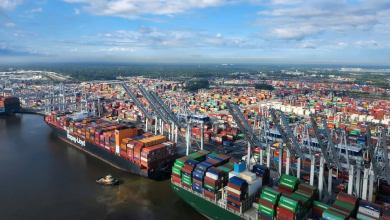
Spot container rates for U.S.-bound cargoes are falling fast, yet import numbers at U.S. ports remain near their peak.

Shipping volumes are weakening in and out of China. Is this a temporary pullback or a sign of more serious trouble ahead?
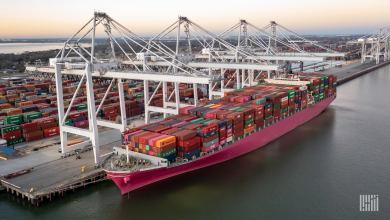
In a Q&A with FreightWaves, Shifl CEO Shabsie Levy says of current general rate increase global shipping practices: “It essentially incentivizes chaos and disruption but yet doesn’t play in anyone’s favor.”

Container and dry bulk shares soared last year, leaving tanker stocks behind. This pattern has now reversed.
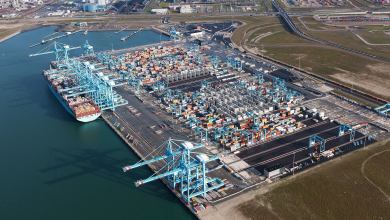
A slowing eurozone may pull ocean container rates down further.
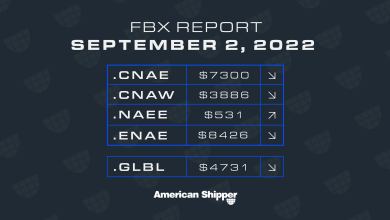
The Freightos Baltic Index (FBX) is the world’s leading—and most accurate—index of market rates for 40′ containers.

California’s container-ship traffic jam is almost gone, replaced by stubbornly high backlogs off the East and Gulf coasts.

The cost of marine fuels is down sharply from the wartime peak, except for ‘clean’ LNG, which is getting even more expensive.
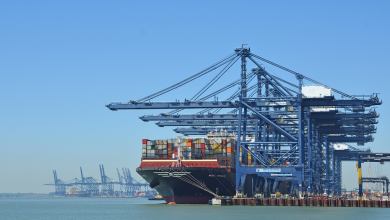
Workers responsible for the transport of goods have pushed back on wage offers in recent months, but the flow of trade is choking in this tug of the purse strings between employers and labor.
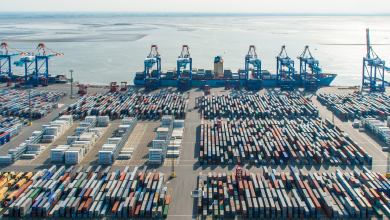
Spot rates on most global shipping routes continue to fall. The trans-Atlantic market is the exception: It’s holding firm near its high.
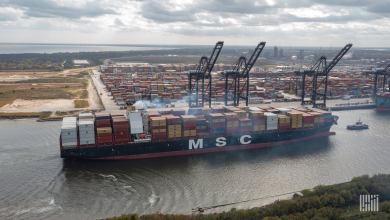
Ports in Houston, Corpus Christi, Texas, and Mobile, Alabama, continued to see increased cargo volume in July.

U.S. imports accelerated in July, with inbound cargo from China reaching a year-to-date high, according to Descartes.
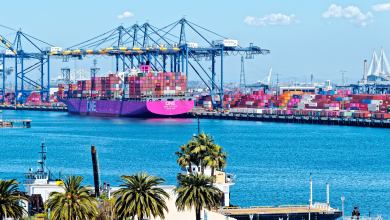
With East Coast ship queues high, port executive Gene Seroka says: “For cargo owners looking to rechart their course, come to Los Angeles.”

The Freightos Baltic Index (FBX) is the world’s leading—and most accurate—index of market rates for 40′ containers.

The latest shipping company poised to delist has a market cap of $3.5 billion. The latest new entrant’s market cap is under $20 million.
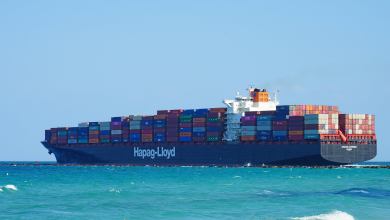
Hapag-Lloyd bookings point to a gradual unwind of the container shipping boom, not a crash.

Tankers stocks are doing great. Dry bulk and container stocks temporarily stopped the bleeding. “Maxim stocks” still underperform.
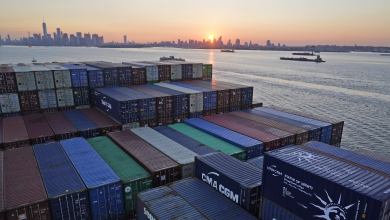
Port congestion and voyage cancellations by shipping lines are preventing a steeper slide in spot container freight rates.