The looming Canadian freight recession
We see falling demand for oil, lumber, and wheat out of Canada in the future due to a combination of market forces. Canadian Pacific Railroad appears to be especially exposed to this freight recession.
The U.S. has now risen to the top of the oil production list by extracting 10.9 million barrels per day (bpd) in August, but it needs to urgently address the pipeline bottlenecks across the Permian Basin to hold on to its numero uno status.
In an attempt to ease Permian bottlenecks, Vista Proppants has partnered with JupiterMLP to transload crude oil from truck to rail at Vista’s Pecos, Texas facility to launch a new crude-by-rail facility.
Ships becoming increasingly electrified, US retail is rising, and crude oil exports to China have come to a halt.
The acquisition will make Pilot Flying J one of the largest third-party crude hauling fleets in the country.
Canadian Pacific conductors and engineers walk off; Brazilian truckers continue their highway shutdown; CMA CGM and Zim blame losses on fuel prices; Savannah hits record TEU volumes in April; Goldman Sachs says the oil rally isn’t over yet.
The collapse of Venezuelan oil production and fears of renewed sanctions on Iran are driving oil prices to 2014 levels, but what does that mean for the American economy and the trucking sector?
China approves drone package delivery; driver pay is up 15% in 3 years; Hapag-Lloyd has a plan to switch to low sulphur fuel; Trump gears up for fight with Amazon; Barclay’s thinks WTI crude will drop to $51 this year.
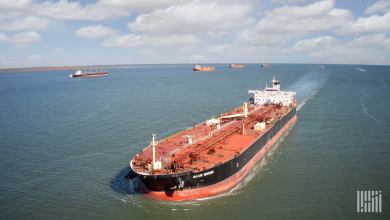
The National Shipping Company of Saudi Arabia, better known by its local acronym Bahri, has finally received its latest carrier classified as a very large crude-oil carrier (VLCC).