




Joanna Marsh
Friday, December 13, 2019
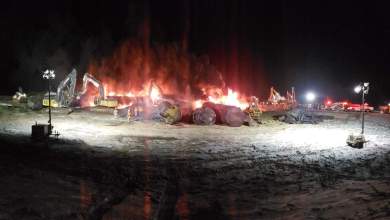
Canada’s Transportation Safety Board investigates crude train derailment
Accident in Saskatchewan causes 1.5 million-liter crude oil spill.
Accident in Saskatchewan causes 1.5 million-liter crude oil spill.
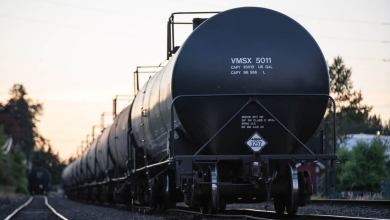
Canadian province will allow producers to exceed limits exclusively for rail shipments to meet higher demand.
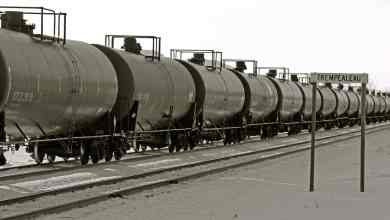
Reports have been surfacing that the Alberta government could grant more crude-by-rail contracts.
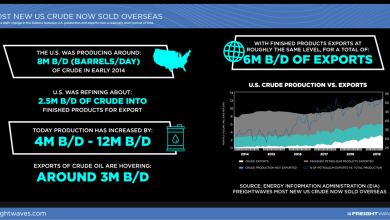
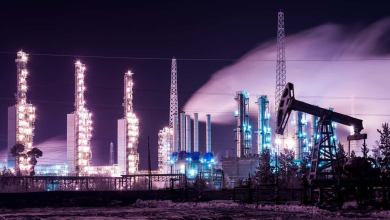
For a window on future demand for U.S. crude oil, look to international markets, as ever-more U.S. volumes head to sea.
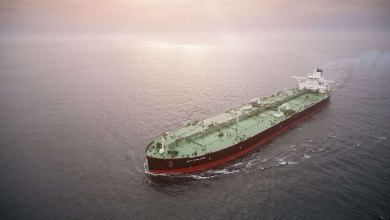
VLCC rates are now at or near $100,000 per day, courtesy of U.S. sanctions targeting China’s COSCO.
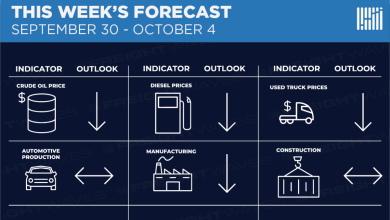

FIATA warns that higher air, ocean and trucking fuels costs will be passed directly on to customers.
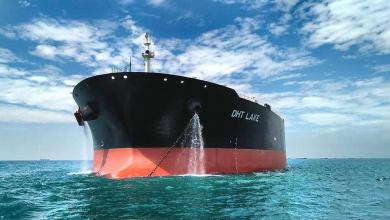
The drone attacks in Saudi Arabia are reverberating across the ocean shipping business. Part II: the impacts on the crude tanker segment.
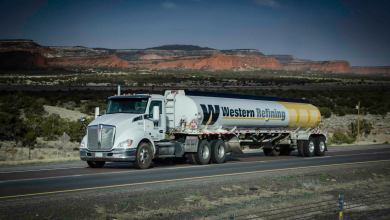
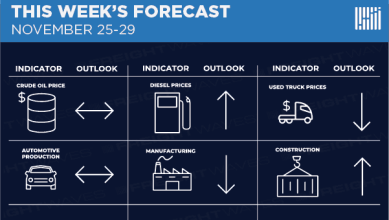
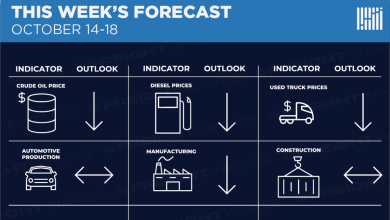
The price of diesel fuel has an obvious impact on transportation providers costs, but it also can give insight into demand for their services.
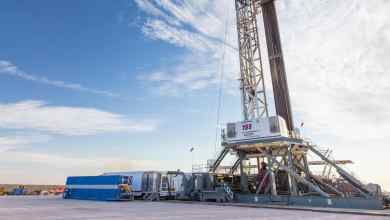
U.S. production increased 21 percent year-over-year to 898,000 barrels/day.
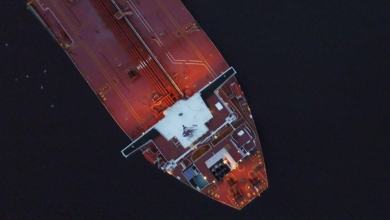
As with product tanker rates, crude tanker rates show no sign yet of upside from IMO 2020 preparations.
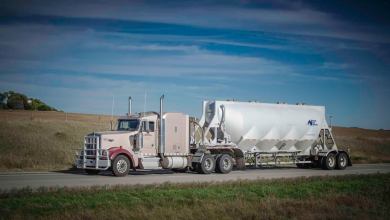
Long before sunrise, Molly Sizer starts her day in West Texas as a professional frac sand hauler. She gets dressed, drives her Peterbilt truck to one of the dozens of frac mines around the Permian Basin, is loaded with 50,000 pounds of sand, drives 100 miles or more through crowded bumpy roads and finally delivers […]
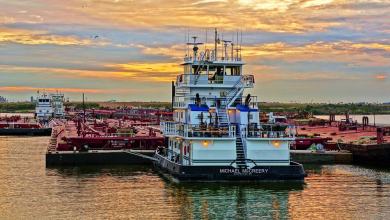
Tank barges plying U.S. rivers are seeing higher rates as more petroleum is shipped.
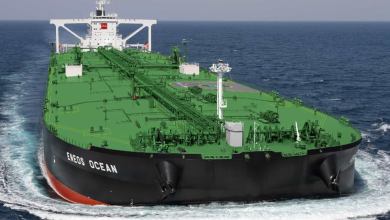
This week, VLCC rates are going sideways, Capesize rates have reversed, and container shipping has yet to gain traction.
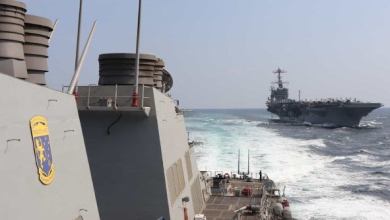
The already dicey relationship between the U.S. and China could get even dicier after a new sanctions decision.
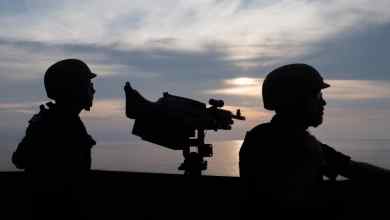
Geopolitical risks are escalating, increasing the risk for petroleum shipments transiting the Strait of Hormuz.
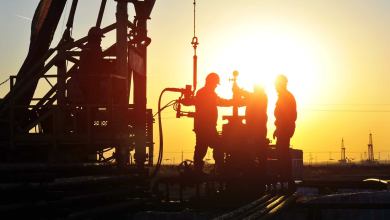
If U.S. crude output were to lose momentum, it would be felt by tanker owners much more so than before.