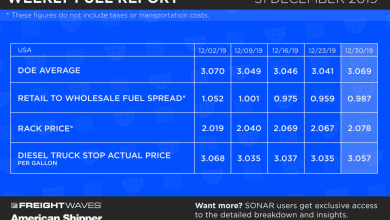
Weekly Fuel Report: March 23rd
Want more? SONAR users get exclusive access to the detailed breakdown and insights. Learn more at SONAR.FreightWaves.com!
Want more? SONAR users get exclusive access to the detailed breakdown and insights. Learn more at SONAR.FreightWaves.com!

Borderlands is a weekly rundown of developments in the world of United States-Mexico cross-border trucking and trade. This week: factories in Mexico feeling effect from coronavirus; Mexico seeks solution to controversial fuel standard; traffic congestion costs the trucking industry $75 billion annually; and metal recycling firm to build new plant near U.S.-Mexico border.
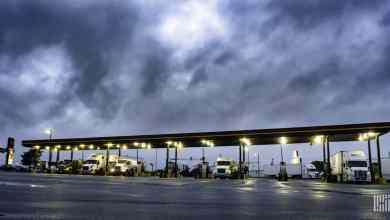
Ending the coronavirus worries won’t be enough for out-of-balance markets, according to Energy Aspects.
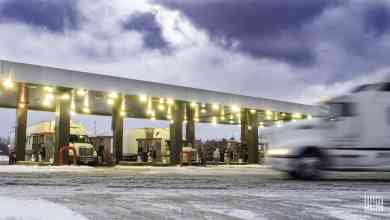
Host John Kingston talks about predictive wholesale diesel prices with Scott Susich of DTN.
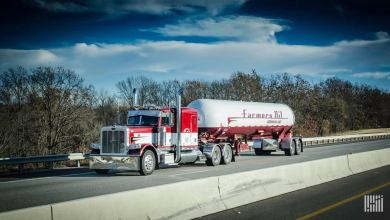
Diesel costs were supposed to make 2020 more difficult for struggling carriers, but wholesale fuel prices have fallen rapidly, which should help carriers in the slow season.

It was conventional wisdom, accepted by all – the price of diesel was going to rise, and IMO 2020 was the cause. One example of many, a report by the Fitch ratings agency, was published in August 2019. “Fuel switching due to IMO 2020 will drive a large and sudden shift in demand for diesel […]

Jet fuel demand could be impacted by a drop in air travel, which would work to push down diesel prices.
Companies cite permitting issues, but the market for the product remains hot on environmental regulations.
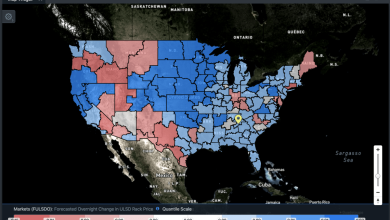
Fuel is the second-largest expense for trucking fleets, after labor. Every penny a fleet saves on fuel goes directly to the bottom line. Predicting where wholesale rack diesel prices will go has always been tricky. SONAR, FreightWaves’ forecasting platform introduces next day wholesale rack ULSD predictive prices.
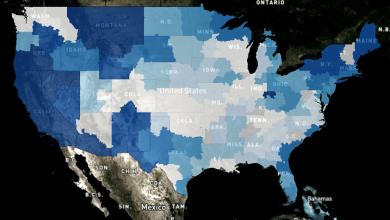
The latest features in SONAR 5.0 make it the most future-focused version to date.

Diesel prices, like all commodities, are priced based in real-time based on the balance of supply and demand. Before we dive into how diesel prices are generated, we should discuss the two most important factors in what prices consumers will see at the pump: retail and wholesale.
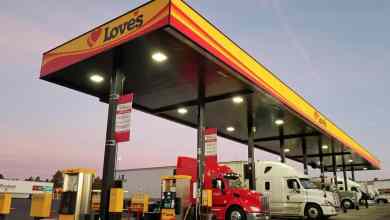
Most big rigs in the U.S. have tanks that range in capacity from 120 gallons per tank up to 150 gallons and depending on the radius of operation, may have one tank for shorter hauls or two tanks for longer ones.

There were plenty of things that could have sent the market spinning higher, but the range for retail diesel prices was relatively narrow.
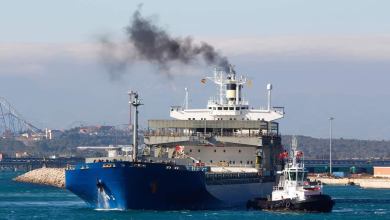
IMO2020 is an environmental rule effective January 1, 2020 that regulates how much sulfur a ship can give out in its exhaust.

The 2020 version of the Roaring Twenties will be drastically different for society and freight than the decade that kicked off in 1920. We take a look back at what life and freight were like in those days.