





John Gallagher
Wednesday, January 1, 2020
What is the Drug and Alcohol Clearinghouse?
High-profile accident leads to database aimed at keeping drug users off the road.
High-profile accident leads to database aimed at keeping drug users off the road.
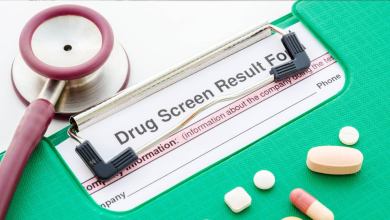
Drivers looking for work or changing jobs should register before Jan. 6.

Set to go live on Jan. 6, 2020, the drug & alcohol clearinghouse will change the way truck drivers and carriers monitor drug testing.

The Trucking Alliance’s managing director Lane Kidd told Craig Fuller on Fuller Speed Ahead that technology could be used more effectively by the industry to improve safety.
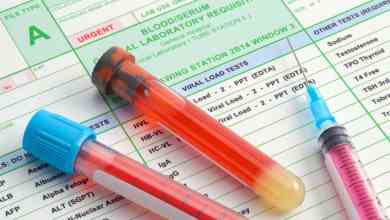
Splitting up enforcement deadlines for the rule could cost millions in benefits.

Motor carriers will still have to comply with January 6, 2020 deadline.
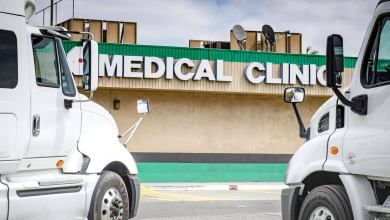
Employers can choose $1.25 bundling option or $24,000 annual fee.

White House receives guidelines but DOT, FMCSA still must sign off.
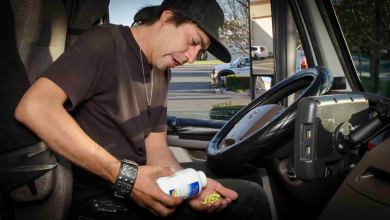
The Trucking Alliance urges action on federal hair-testing guidelines

Truck drivers looking for a job will soon have to register with a new drug and alcohol clearinghouse.

Fuller says the new database on drug and alcohol tests will slice capacity by 10%.

Hair follicle testing – once cleared for use in the federal database – could have the biggest effect on driver availability.

Compliance issues can result in large fines for companies, which is why some companies find outsourcing compliance programs to experts can be a financial win.

The federal guideline is “hearsed, nursed and towed,” and that will be the rule in Pennsylvania now.

Parking is a hot button issue across the transportation industry, but it certainly does not carry the same weight among drivers and those who manage transportation companies.

The bill, called the Opioid Crisis Response Act of 2018, directs the Substance Abuse and Mental Health Services Administration to report to Congress on its progress creating and issuing guidelines for hair testing.