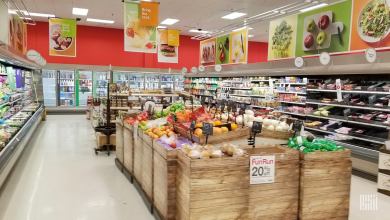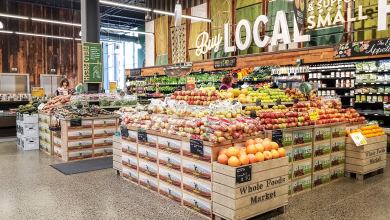
Centralized buying at Whole Foods goes directly against its ethos
It seems that centralized buying and local product discovery are polar opposites. How can Whole Foods centralize buying and get better at the local level?
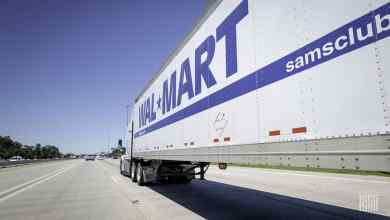
E-commerce logistics company ShipBob is now able to fulfill two-day shipping for sellers using the Walmart Marketplace.
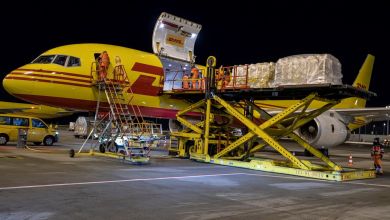
Big integrated parcel carriers are constantly adding aircraft to their fleet, but that expansion is going even faster to keep up with e-commerce. DHL Express is even starting an airline in Austria to keep up.
A survey from SOTI has found transportation and logistics companies trying to keep up with the e-commerce demand continue to face technology integration issues, costing them several days per month per employee in productivity.
Even as brands turn to more digital tools to engage with customers, many are finding success with a more traditional item — catalogs.
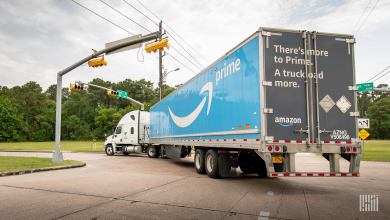
Amazon confirmed its annual Prime Day event will be held in Q2 (likely June), as it seeks to improve on a record Q2 2020, when revenue grew 40%. But there’s also major supply chain reasoning behind the decision.
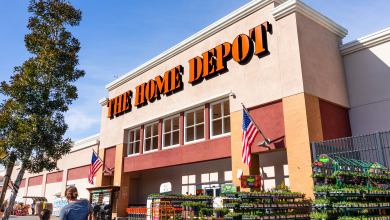
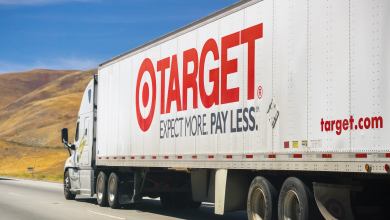
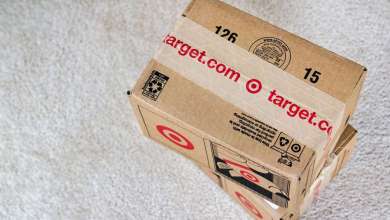
The headlines are touting Target’s store fulfillment numbers, but Home Depot’s right behind, fulfilling 55% of online orders from stores. This is particularly advantageous for Home Depot, which sells goods that are more often heavier and bulkier than its retail counterparts.
The best-in-class retailers navigated well, and managed to grow inventory considerably in the first months of the year.
This is an excerpt from Monday’s (5/13) Point of Sale retail supply chain newsletter sponsored by ArcBest. There’s a startup that was first created to deliver essentials to college kids but is quietly capturing the imagination (and venture capital) of the tech world, and it’s time the logistics world took notice. Gopuff, founded by two friends at Drexel […]
Consumers reversion to services has not come at the detriment of durable goods spending. Over the past four weeks, the mix of durable goods-to-services spending has remained stable.
In addition to improving margins and boosting brand image, cutting ties with retailers simplifies Under Armour’s supply chain at a time when its needed most.
“We have added the ability to have an app-based experience versus an online website to manage your back room and that kind of innovation is a big reason why our retail customers have been working with us.”
More manufacturers are looking into digital sales and marketing channels as their customers increasingly move online.
The company’s pickup and delivery revenue jumps; about 95% of sales were fulfilled from stores
The Kansas City region, with its centralized location, is becoming a prime area for commercial warehouse space, with KC Smartport expecting 15 million square feet to become available in 2021.
Major e-commerce growth led DHL Express to change aircraft and routes in Southeast Asia for package delivery.
The retail giant clobbers its first-quarter fiscal 2022 estimates, while its chairman says the company is more optimistic about 2021 than it was at the start of the year.
Amazon planes are shuttling between more than 40 airports in the U.S. That translates into faster e-commerce deliveries by eliminating trucks.
PayPal is acquiring Happy Returns, a firm dedicated to improving the returns process for e-commerce orders.
The use of legacy technology and the lack of real-time visibility continue to impact the ability of last-mile delivery providers to increase business, according to a Bringg report.