




Joanna Marsh
Monday, December 14, 2020
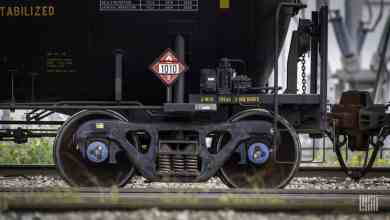
From revision to rule, FRA issues revamped brake safety standards
The new rule takes into account recent technological advancements and harmonizes U.S. regulations with Canada’s.
The new rule takes into account recent technological advancements and harmonizes U.S. regulations with Canada’s.
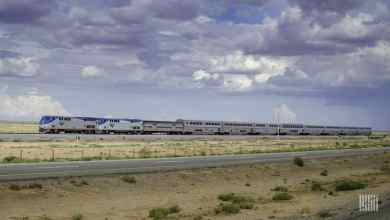
The Association of American Railroads recently laid out some issues that Amtrak, host railroads and the federal government must grapple with as they implement on-time performance metrics and standards for Amtrak.
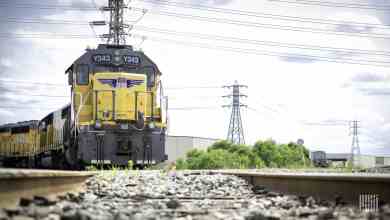
Nearly 92% of the U.S. Class I rail network is interoperable and close to fulfilling the federal positive train control mandate by the Dec. 31 deadline, according to FRA data.
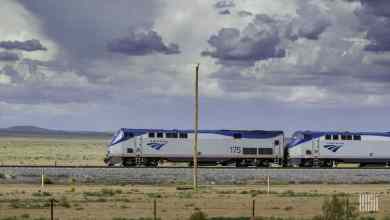
The rule defines performance and service metrics for Amtrak and it requires freight rail to meet an on-time performance standard.
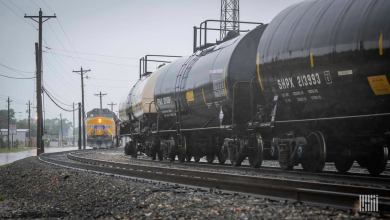
The federal agency says the rule would reduce unnecessary costs and incentivize innovation while also improving rail safety.

Brad Hildebrand discussed Cargill’s reliance on dependable rail service during FreightWaves Last Mile Logistics Summit.
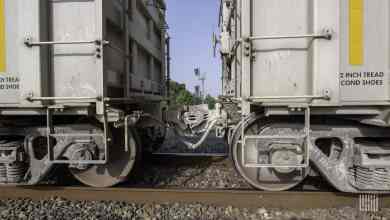
Alaska and South Dakota received $6.9 million in grants from the Federal Railroad Administration for rail-related projects.
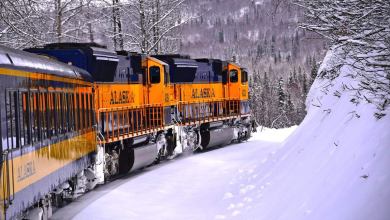
The grants help localities, short lines and passenger railroads improve the safety and efficiency of their rail networks.
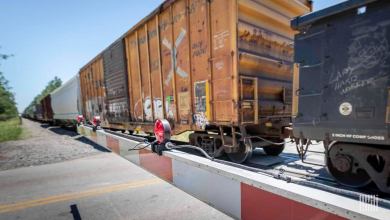
The Class I railroads update agencies on service issues; shippers use the opportunity to ask for data collection on first-mile and last-mile movements.
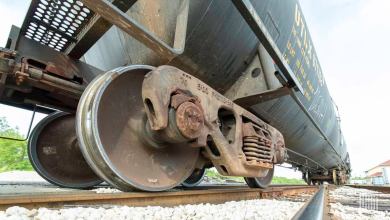
Railroads and union disagree over Federal Railroad Administration final rule enabling use of continuous rail inspection technology.
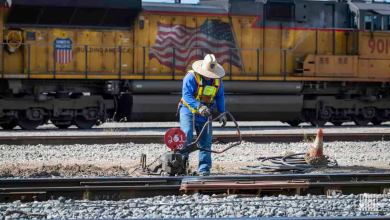
The Surface Transportation Board and the Federal Railroad Administration administrator seek answers about Class I rail performance, while labor groups question furlough-related actions.
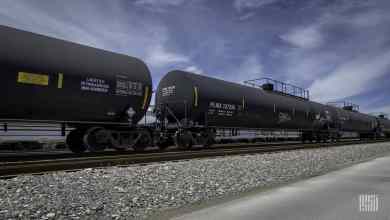
Environmental groups and several states have filed lawsuits against regulation governing liquefied natural gas by rail over environmental and safety concerns.
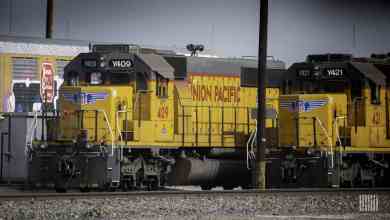
The Class I’s have reached 100% compliance with three of the five categories required to reach full implementation.
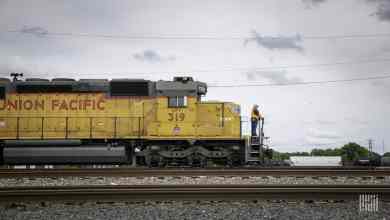
The proposed rule seeks to require trains operating in Kansas to have at least two crew members in the front locomotive.
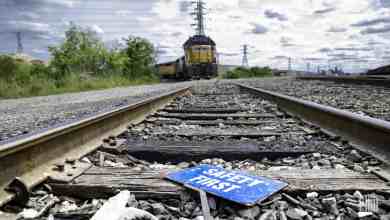
The Federal Railroad Administration and Volpe are in the middle of conducting a survey on how railroaders gather and share information about occupational safety.
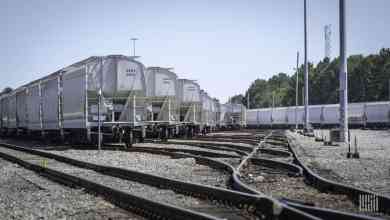
The revisions encourage technology integration and encourage preventative measures, say some stakeholders.
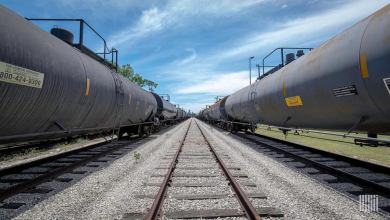
The rule seeks to address Democrats’ concerns about the safety measures the railroads would take in transporting liquefied natural gas.
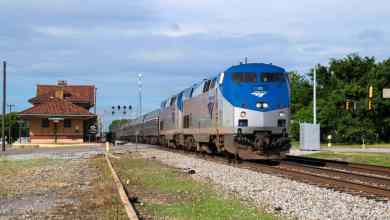
Freight railroads could see secondary benefits if projects improve a region’s network flow.
Labor groups praise bill’s contents but key freight rail group is “disappointed.”
The waivers were given to passenger and freight railroads because of the COVID-19 pandemic.