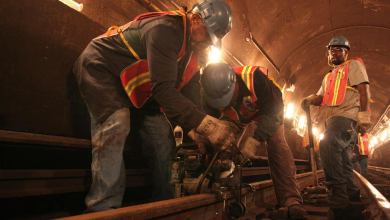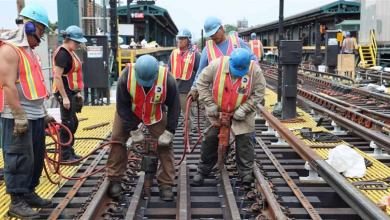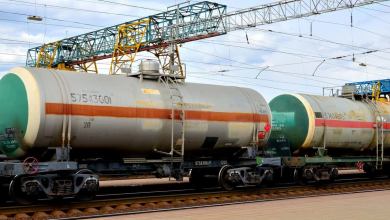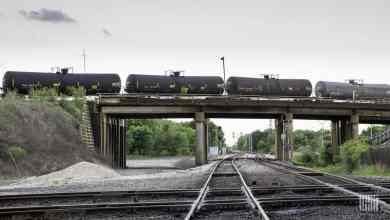
$302 million in federal grants awarded to rail infrastructure projects
Twelve projects in nine states get funding to upgrade track and rail crossings and other types of rail infrastructure.
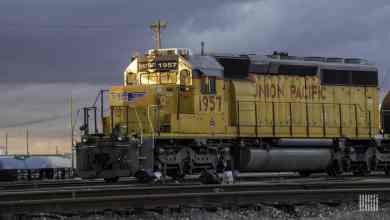

Interoperability between host and tenant railroads nears 60% at the end of the first quarter, up from 48% in December.
The pandemic is exacerbating existing problems with vendors and software installation, according to a federal report.
The grant application period is open for groups seeking federal funding for capital projects related to passenger and freight rail.
The groups want the Federal Railroad Administration to ensure that railroads’ requests to waive certain regulations stem from a true labor shortage.
A bipartisan group of Congressional lawmakers are asking rail transit agencies to order safety and health guidelines that would prevent the spread of the novel coronavirus.
The requests to waive the Federal Railroad Administration’s regulations on random alcohol and drug testing and on certain rail operations are due to social distancing recommendations and an anticipated reduction in staff because of COVID-19.
The Class I railroads would need to ensure that Amtrak can meet FRA’s on-time performance metrics for the routes they share with Amtrak.
The $248.5 million in grant funding goes to support local and state projects.
The Brotherhood of Locomotive Engineers and Trainmen wants freight and passenger railroads to temporarily alter their sick leave policies and provide stronger sanitizing materials.
Positive train control has been fully implemented on the Class I rail network, with 48% of the network able to communicate with tenant railroads.
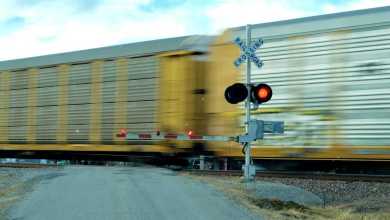
To reduce or eliminate blocked highway-rail grade crossings, the federal government needs to define the roles of stakeholders and technology, hearing witnesses said.
Labor attorney takes issue with allowing carriers to keep accident evidence from being used in court.
Year-to-date U.S. rail volumes are still sluggish, and the effect of the coronavirus on intermodal volumes remains unclear.
Lawmakers in Missouri, New York, Virginia and Wyoming introduce legislation to require freight trains to have a minimum crew size.
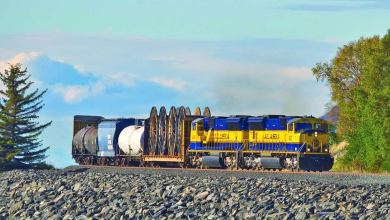
Darren Prokop explains why Positive Train Control – a positive safety measure for “Lower 48” railroads – doesn’t make sense for the Alaska Railroad.
The Federal Railroad Administration hopes to collect data on blocked rail crossings from the public and law enforcement.
The agency has issued two new notices of proposed rulemakings that it says would promote safety innovation and reduce unnecessary regulatory burdens.
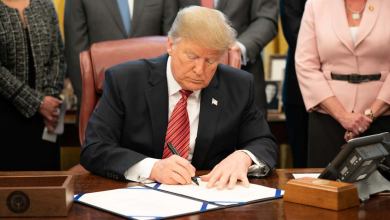
Action averts government shutdown, funds key infrastructure programs.
The approval comes amid some objection by Congressional Democrats and a wider proposed rulemaking on the same issue.